

Mark Zuckerberg’s AI Manifesto Highlights Why Public Trust Remains Low
Mark Zuckerberg's latest essay on artificial intelligence reveals a stark disconnect between idealist rhetoric and real-world application, sparking fresh public concern.

Stock photo for illustration only, not from the actual event
- 64% of Americans believe social media has harmed democracy according to a recent survey
- The company was recently fined $567 million by a court over harm to children
- Zuckerberg's specific examples regarding AI in education and law raise detachment concerns
Mark Zuckerberg’s recent essay outlining a grand vision for artificial intelligence has underscored precisely why the general public continues to harbor deep reservations and distrust toward big tech initiatives. Both Facebook as a platform and Zuckerberg as an individual carry notably unpopular standings among the U.S. public amidst an already tense technological landscape.
Recent polling data highlights significant public sentiment, revealing that 64% of Americans believe social media has exerted a damaging effect on democracy, while a comparable majority advocates for heavier regulatory oversight across political divides. Compounding these negative optics, a court handed the company a $567 million fine over weekend rulings related to child safety harms.
A substantial portion of the essay relies on vague generalities concerning intelligence, echoing the abstract rhetoric previously used by tech leaders regarding free speech. The manifesto suggests that empowering everyone with advanced tools allows individuals to shape the future, asserting that delivering superintelligence universally represents the most realistic path to a positive AI outcome.
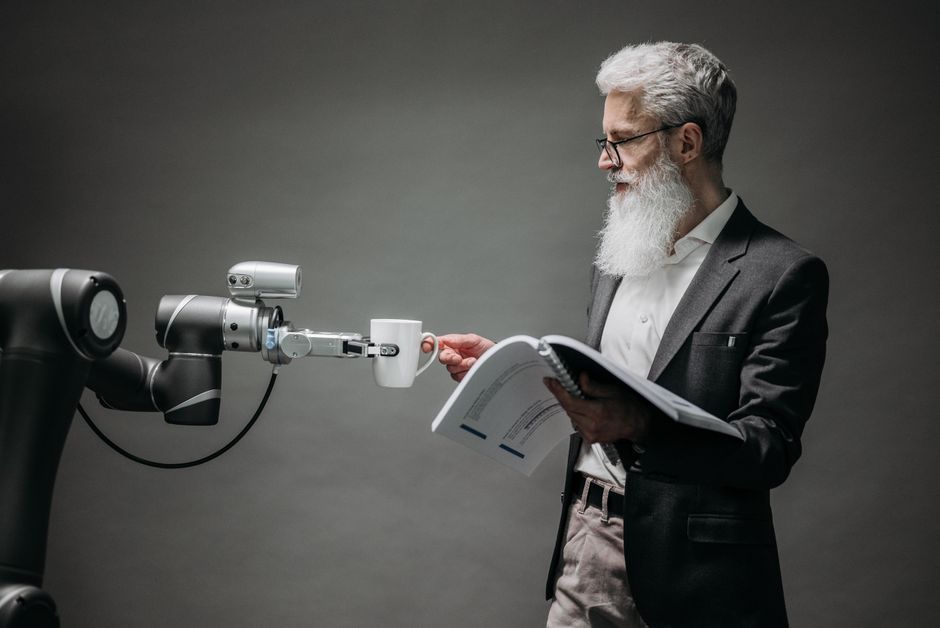
Stock photo for illustration only, not from the actual event
However, the sense of disconnect intensifies considerably when Zuckerberg transitions to specific use cases that feel alarmingly divorced from how AI tools function in practice. His vision for education imagines personalized tutors possessing PhDs in every subject with unlimited patience, while his view on the legal system posits that universal access to superintelligent lawyers would instantly optimize court fairness.
"Everyone will have a personalized tutor and coach with a PhD in every subject and unlimited patience to help you learn anything you want."
Mark Zuckerberg
Context and Analysis: The core critique of Zuckerberg's manifesto lies not in the potential of AI itself, but in the glaring refusal to acknowledge unintended consequences. Unlike industry counterparts such as Sam Altman or Dario Amodei—who actively address inherent dangers and emphasize internal safeguards to build public trust—Zuckerberg's purely utopian framing risks alienating users who expect transparency regarding technological risks.
Even descriptions surrounding Meta’s monetization strategies, such as dynamic auction mechanisms for compute pricing, lean heavily into abstract concepts that leave observers questioning actual implementation plans. Without proactive trust-building efforts, navigating inevitable safety failures may prove increasingly difficult for the broader tech industry.
Source: TechCrunch
Found something wrong in this article? Report an issue with this article
Comments
Leave a Comment