

Yellow Corn vs. White Corn: Which One Has Less Sugar and How Do They Differ?
A detailed comparison of yellow and white corn covering taste, texture, and nutritional values per 100 grams to help you choose the best option for your health goals.
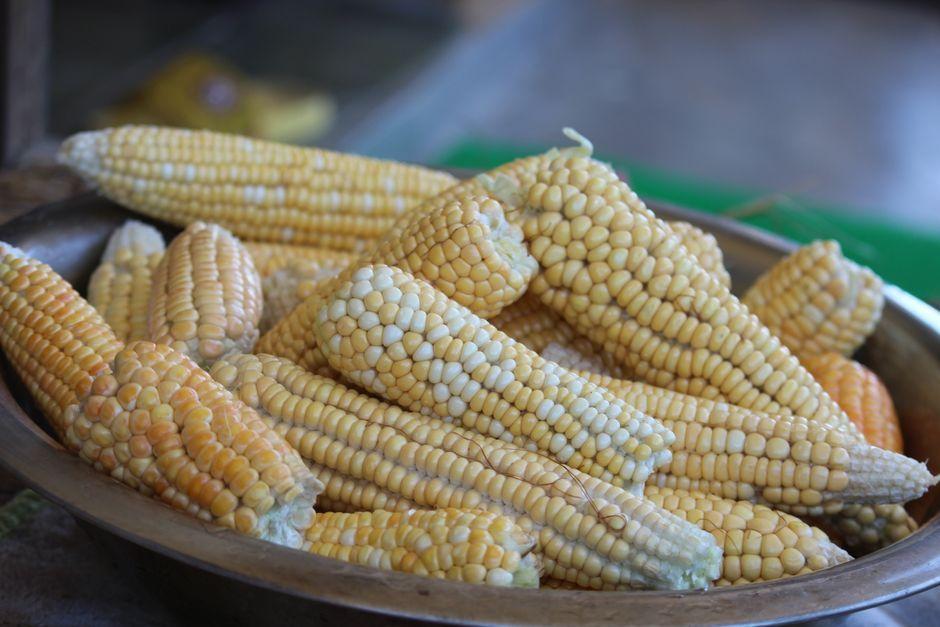
Stock photo for illustration only, not from the actual event
When shopping at local markets, shoppers often hesitate between bright yellow corn and white corn. For health-conscious individuals monitoring their sugar intake, understanding the distinct Stock photo for illustration only, not from the actual event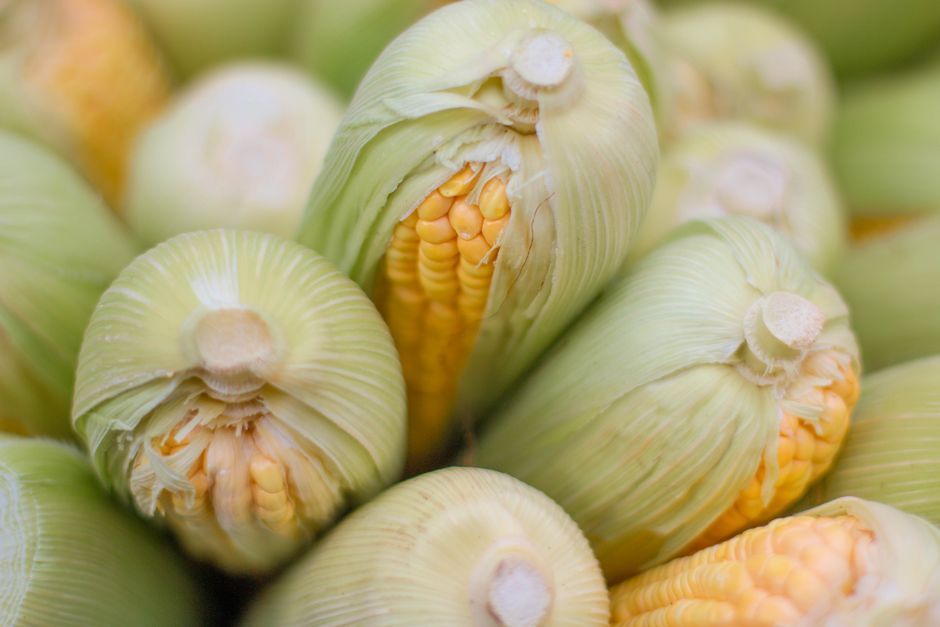
Yellow corn, commonly known as sweet corn, is recognized for its sweet flavor and crisp, juicy texture. It is ideal for dishes that require freshness and vibrant color, such as vegetable salads, spicy Thai salads, Isan papaya salad, corn soup, or simply boiled and grilled to bring out its mellow flavor.
On the other hand, white corn, or waxy corn, offers a richer, starchier, and chewier texture. While it is less sweet than yellow corn, its standout characteristic is its chewy, dense bite. It is commonly boiled or steamed as a snack and used in traditional Thai desserts like sticky sweet corn pudding or added to traditional coconut-rice pancakes.
Nutritional data provided by the United States Department of Agriculture (USDA) and the Nutrition Division of the Department of Health outlines the specific nutrient breakdown per 100 grams:
- Calories: Approximately 86 kcal for yellow corn compared to 95-100 kcal for white corn.
- Total Carbohydrates: 19 grams in yellow corn and 21-22 grams in white corn.
- Sugar: 6 grams in yellow corn versus 2-3 grams in white corn.
- Dietary Fiber: 2.7 grams in yellow corn and 3.0 grams in white corn.
- Nutritional Highlights: Yellow corn is rich in beta-carotene and lutein for eye health, whereas white corn contains complex amylopectin starch for sustained fullness and high vitamin B.
Amylopectin, the predominant starch found in white corn, features a highly branched molecular structure that takes longer for the human digestive system to break down. This slower digestion rate leads to a more gradual release of glucose into the bloodstream and helps sustain satiety longer compared to the higher simple sugar content found in yellow corn.
To select the freshest corn cobs at the market, look for these specific indicators:
- Husk should be bright green, unblemished, and free of dryness or bruising.
- Silk at the tip should be dark brown or black with slight moisture, not overly dry and brittle.
- Cobs should feel firm and heavy in hand, indicating fully packed kernels.
- Peeled kernels must be plump, tightly arranged, free of wrinkles or dents, and devoid of any sour odor.
Source: Thairath Lifestyle
Found something wrong in this article? Report an issue with this article
Comments
Leave a Comment