

Thailand Updates Baggage Screening Rules for Air Travelers
The Civil Aviation Authority of Thailand introduces revised checked baggage screening procedures to strengthen aviation security.
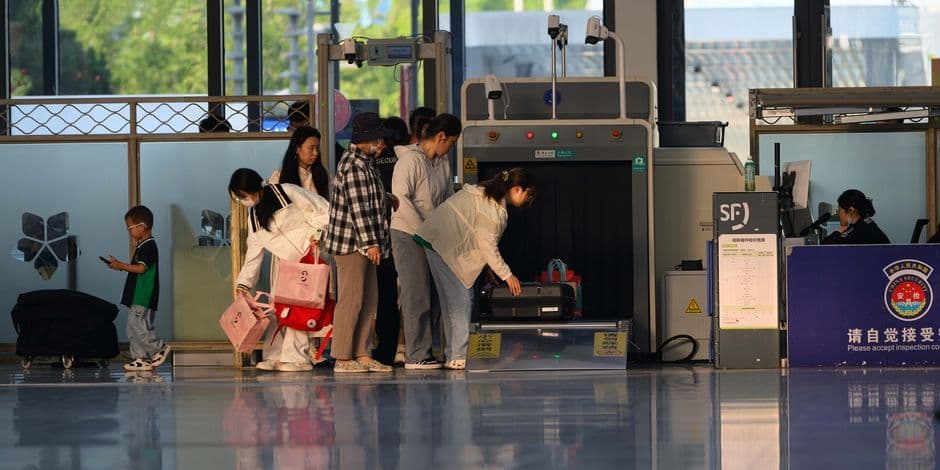
Stock photo for illustration only, not from the actual event
- CAAT introduces revised procedures to improve checked baggage screening efficiency.
- Bags may be opened without the owner present if suspicious items are found.
- All inspection processes will be video-recorded and passengers notified afterward.
- Passengers are advised to use internationally recognized locks such as TSA-compatible locks.
The Civil Aviation Authority of Thailand has announced updated guidelines designed to reinforce aviation security and enhance the efficiency of checked baggage screening. These revised procedures specifically apply to baggage checked for transport in the aircraft hold, while current operational protocols remain in place until the official transition takes effect.
Under the updated framework, checked luggage may be opened for inspection without requiring the owner to be present if screening personnel detect items deemed suspicious, prohibited, or potentially hazardous to flight safety. Nevertheless, CAAT has firmly emphasized that checked suitcases will not undergo routine or random opening as standard practice.
When an inspection becomes necessary, the luggage will be opened exclusively within a designated zone under strictly controlled conditions. The entire inspection procedure will be recorded on video, with the footage retained for future review. Furthermore, passengers will receive subsequent notification if their bag was opened and inspected during the process.
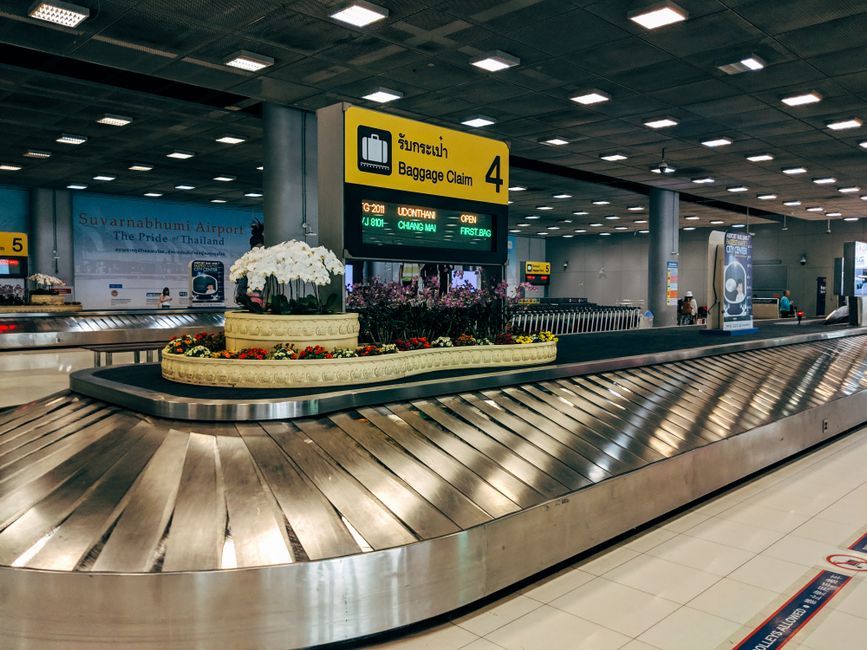
Stock photo for illustration only, not from the actual event
This updating of baggage inspection policies aligns Thailand's aviation infrastructure with global security standards, minimizing potential vulnerabilities associated with prohibited items. Documenting the inspection via video recording adds an extra layer of operational transparency, ensuring passenger confidence while maintaining strict safety controls at Thai airports.
CAAT notes that comparable protocols are already implemented across numerous nations globally, including Singapore, Japan, South Korea, and the United States, alongside parts of the Middle East and Europe. These measures empower security staff to resolve screening alerts promptly without needing to track down the passenger to unlock the luggage, thereby minimizing travel delays while upholding rigorous security standards.
To facilitate smooth inspections when required, CAAT outlines several recommendations for travelers:
- Use internationally recognized luggage locks, such as TSA-compatible locks.
- Review prohibited and restricted items thoroughly prior to departure.
- Avoid placing valuables, fragile belongings, vital documents, or essential personal items inside checked baggage.
Travelers with international connections or subsequent journeys should also verify specific baggage and security mandates at transit and destination airfields, as regulations frequently vary across jurisdictions.
Passengers encountering issues or property damage resulting from inspections may reach out directly to their airline or file a formal complaint with CAAT via complaint.caat.or.th . TAT will provide further updates should CAAT issue additional operational instructions before the revised procedures officially take effect.
Source: TAT Newsroom
Found something wrong in this article? Report an issue with this article
Comments
Leave a Comment