

Air Canada Heads Into Winter Without Permanent CEO Amid Second-Quarter Results
Air Canada is set to report its second-quarter earnings as CEO Michael Rousseau prepares to step down and the airline faces a leadership transition gap.
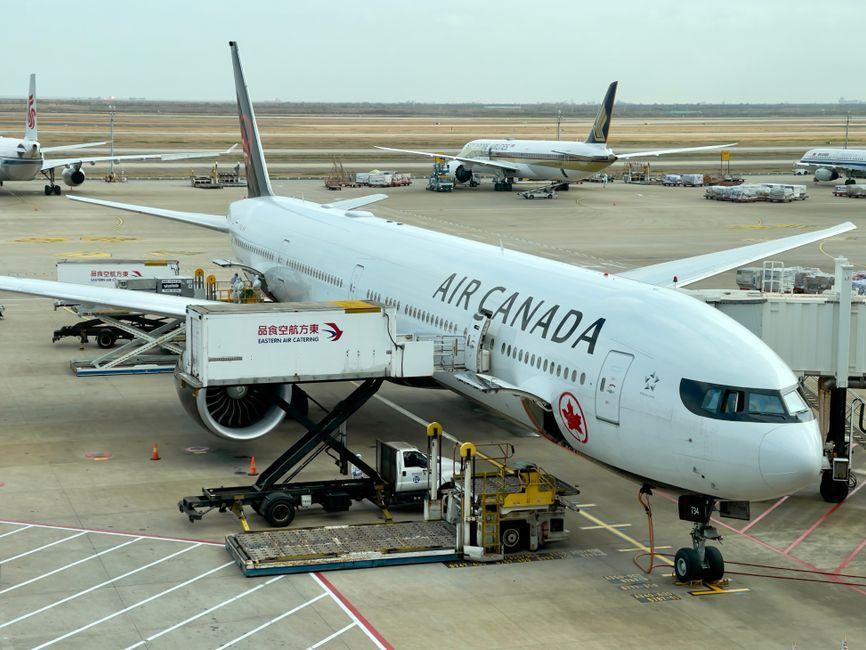
Stock photo for illustration only, not from the actual event
- Michael Rousseau is presenting his final quarterly results after five years as CEO of Air Canada.
- SAS chief executive Anko van der Werff will succeed Rousseau starting in January.
- Air Canada previously guided second-quarter adjusted earnings between C$575 million and C$725 million.
- The airline enters its toughest trading season without a permanent chief executive in place.
Air Canada is heading into a pivotal morning as Michael Rousseau steps in front of analysts for his final earnings presentation. Wednesday's second-quarter results release before the market opens marks the last set of numbers he will present after five years as chief executive and nearly two decades with the carrier.
Rousseau is scheduled to retire on August 31, while his successor, SAS chief executive Anko van der Werff, will not arrive until January. This leaves Air Canada heading into its toughest trading season of the year without a permanent chief executive at the helm.
The financial market has already braced itself for a significant drop in profit. Back on April 30, Air Canada guided second-quarter adjusted earnings to between C$575 million and C$725 million, equivalent to roughly US$412 million to US$520 million, compared to the C$909 million or US$652 million earned during the same quarter in 2025. Additionally, the carrier pulled its full-year outlook altogether.

Stock photo for illustration only, not from the actual event
Navigating a leadership handoff right ahead of the challenging winter operating season places immense pressure on Air Canada's operational resilience. The temporary leadership gap could slow down strategic decision-making, leaving investors particularly focused on how management maintains financial discipline and navigates ongoing cost pressures during the transition period.
Beyond the headline financial figures, analysts and market observers will be watching several critical areas closely, including the strategy to manage the CEO transition gap through the winter months, whether management will reaffirm or revise its 2028 financial targets of C$30 billion in revenue and a 17% plus margin, and how the carrier's fuel recapture rate compares against its 50 to 60 percent target.
Source: Skift
Found something wrong in this article? Report an issue with this article
Comments
Leave a Comment