

Spain’s Three-Year Eclipse Strategy Turns Astrotourism Into an Overtourism Remedy
Facing three solar eclipses between 2025 and 2028, Spain is utilizing the cosmic events to redirect travelers toward inland and northern regions away from saturated coasts.
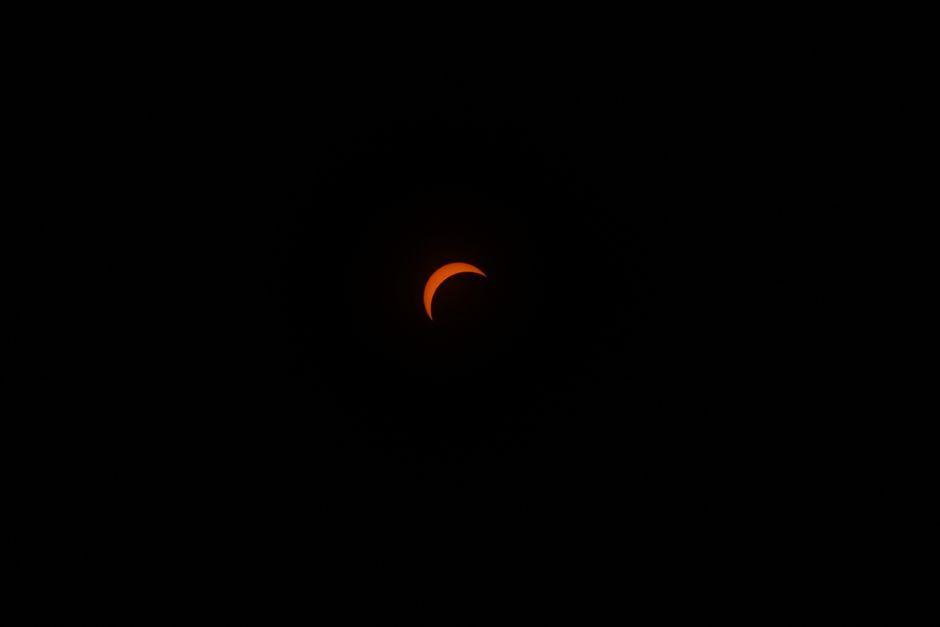
Stock photo for illustration only, not from the actual event
- Spain is deliberately avoiding aggressive promotion of the August 12 total solar eclipse to prevent overtourism chaos.
- Tourism leaders are leveraging the event to steer visitors toward lesser-visited interior and northern destinations instead of the Mediterranean.
- Data indicates hotel bookings in totality corridors jumped up to 76% with room rates surging nearly 90%.
- Spain is prioritizing civil protection, traffic, and rail infrastructure ahead of marketing for subsequent eclipses in 2027 and 2028.
It has been a punishing summer travel season across Spain, marked by relentless heatwaves pushing temperatures past 100 degrees Fahrenheit and deadly wildfires raging across the nation, forcing tens of thousands of residents and visitors to evacuate.
Now, the country is bracing for its next major test: a total solar eclipse scheduled to pass directly overhead on August 12, which threatens to amplify ongoing anxieties surrounding overtourism.
Miguel Sanz, president of the European Travel Commission and general director of the Spanish Tourism Institute (Turespaña), noted that authorities have intentionally refrained from promoting the eclipse. He explained that officials are crossing their fingers to avoid being overwhelmed by domestic and international travelers flooding every corner of the country, especially amid the active wildfire crisis.
"We haven’t promoted the eclipse. We're all crossing our fingers not to be overwhelmed by local domestic and international travelers wanting to go everywhere, especially with the wildfires."
Miguel Sanz

Stock photo for illustration only, not from the actual event
Despite the risks, the Spanish government and tourism executives also recognize a strategic opportunity. The celestial event is expected to draw more visitors toward lesser-known inland destinations located miles away from the saturated Mediterranean coastline.
Demand signals have proven exceptionally robust, revealing clear trends:
- Hotel bookings in key areas spiked by as much as 76%.
- Accommodation prices surged nearly 90% compared to the previous year.
- Northern cities such as Santander, Asturias, and Bilbao recorded growth exceeding 90%.
- Travelers from the U.S., U.K., Denmark, and the Netherlands are spearheading the demand toward non-traditional regions.
Spain's deliberate choice to hold back on aggressive marketing while reinforcing infrastructure highlights a sophisticated approach to destination management. Rather than chasing immediate volume, tourism authorities are utilizing the eclipse as a dispersal mechanism to alleviate pressure on overcrowded hotspots. This policy aligns with local communities implementing access restrictions to curb the strains brought by short-stay tourism surges.
With additional eclipses slated for 2027 and 2028, Spain aims to firmly establish itself as Europe's premier astrotourism destination. By deploying coordinated cross-ministerial planning, establishing robust security and traffic protocols, and upgrading rail connectivity ahead of heavy promotion, the country hopes to turn natural alignment into a sustainable long-term tourism blueprint.
Source: Skift
Found something wrong in this article? Report an issue with this article
Comments
Leave a Comment