

Stop buying expensive Sleepbuds and switch to ear-hole pillows for side sleepers instead
A more affordable and sustainable alternative to listening to music or podcasts before bed with your favorite headphones, without worrying about battery degradation or losing them.
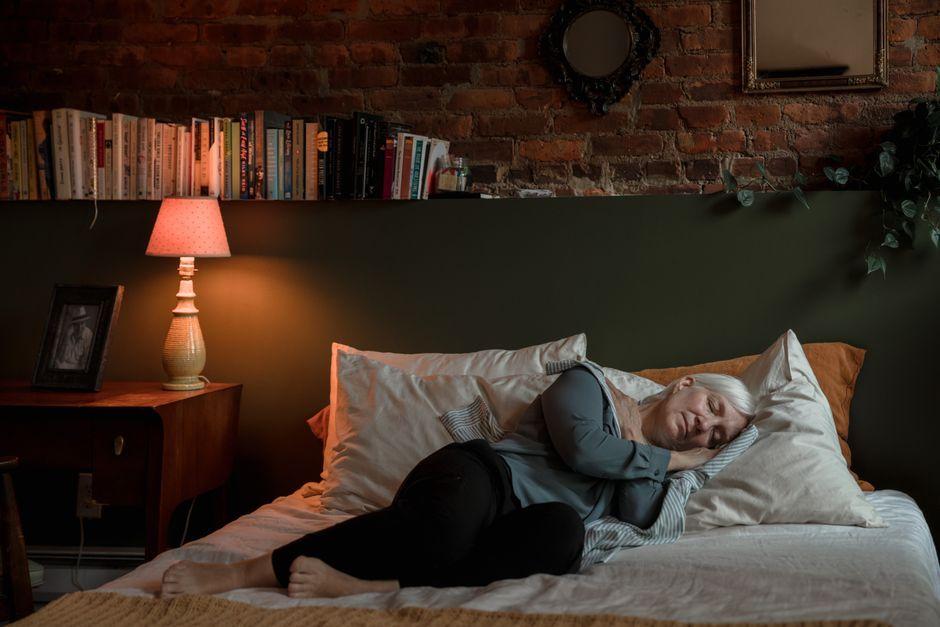
Stock photo for illustration only, not from the actual event
- Piercing pillows for ear piercings solve the problem of ear pain from side-sleeping with wireless earbuds
- The $55 Blissbury Ear Pillow features dual ear holes and an adjustable thickness of 4 to 5 inches
- No need to worry about battery degradation, Bluetooth dropouts, or having to recharge like expensive Sleepbuds
Tech companies often try to persuade consumers to pay for expensive gadgets to solve minor everyday problems, with Sleepbuds from brands like Anker and Ozlo being prime examples. These tiny earbuds are designed so that side sleepers can enjoy listening to podcasts, audiobooks, music, or white noise without disturbing anyone next to them. But why should we shell out more than $200 for expensive specialty earbuds when we can buy a product that costs a fraction of that, requires no recharging, never loses Bluetooth connection, and doesn't need to be replaced when the battery degrades over time?
Piercing pillows, as the name suggests, are designed to relieve pain for people with new ear piercings, featuring a cutout to cradle the ear while sleeping and prevent pressure on delicate tissue. Thomas Ricker, deputy editor at The Verge, discovered that these pillows also work exceptionally well with bulky, rounded earbuds like AirPods, Galaxy Buds, Pixel Buds, and other existing wireless earbuds on the market.
From a technological perspective, using tiny earbuds like Sleepbuds forces compromises in physical constraints regarding battery size and processors, which are compressed drastically to fit snugly into the ear canal. This drives up costs and limits lifespan according to the lithium-ion battery cycle. Shifting to a mechanical solution like a memory foam pillow is an alternative that returns to simplicity, solving the root problem without relying on electrical power.
The ear-pillow market offers various shapes, sizes, and firmness levels. Thomas Ricker chose to purchase the Blissbury Ear Pillow for $55 USD because its dual ear holes provide greater sleeping flexibility. He has two main side-sleeping positions: the spooning-like position with one arm tucked under the pillow, and the standard fetal position, both of which are fully supported by the Blissbury pillow.

Stock photo, not from actual events
Other highlights of this pillow include:
- The ear holes are positioned slightly below the center to align with the ears when resting against the shoulder.
- The memory foam offers an adjustable density and thickness between 4 and 5 inches using removable inserts.
- The outer pillowcase is removable and washable as needed.
- The pillow measures 26 inches (66 cm) long and 15 inches (15 cm) wide, which is slightly narrower than a standard US pillow, causing general pillowcases to bunch up, allowing excess fabric to be tucked into the ear holes.
- Comes with foam inserts to plug the holes if it needs to be used as a guest pillow.
"After spending a week with the Blissbury pillow, I now feel silly for having spent more than 4 times as much money on earbuds that are inferior to the AirPods Pro I already own."
Thomas Ricker
However, Sleepbuds may still be a better choice if your partner snores. Thomas Ricker notes that the noise-canceling algorithm of the Soundcore Sleep A30 is highly effective at handling mild to moderate snoring, even though these newer earbuds may still require side sleepers to constantly adjust pillow positioning to avoid excessive ear pressure.
Source: The Verge
Found something wrong in this article? Report an issue with this article
Comments
Leave a Comment