

First locations revealed for 'pounds for pylons' £250 annual energy bill discount
The UK government has unveiled the first areas where households near upgraded electricity pylons and substations will receive a £250 yearly discount on their bills for up to a decade.

Stock photo for illustration only, not from the actual event
- Households living within 1,600ft (500m) of 43 transmission projects across Britain will receive a £250 annual bill discount.
- The scheme, dubbed pounds for pylons, will run for up to 10 years with the first payments starting early next year.
- About two-thirds of the targeted transmission projects are located in Scotland to support the growing wind energy sector.
- The discount scheme will be funded by adding approximately 80p a year to all consumer energy bills.
The first specific locations where residents living near newly upgraded electricity pylons and substations will qualify for a £250 annual energy bill discount have been officially disclosed. Customers residing within 1,600ft, equivalent to 500 meters, of 43 transmission projects spanning across Britain will be eligible to receive these financial payments for a duration of up to 10 years under the bill discount initiative commonly referred to as pounds for pylons.
UK ministers argue that replacing and upgrading decades-old infrastructure is an absolute necessity for distributing renewable power and reinforcing national energy security. According to the Department for Energy Security and Net Zero, Britain's electrical grid was originally engineered for an era dominated by coal and gas-fired power plants, and now requires major overhauls to adequately handle the surging volumes of renewable energy generation.
Ministers have pointed out that current capacity constraints occasionally force wind farms to be paid to switch off because the existing network infrastructure lacks the capability to transmit electricity to the homes and businesses that need it. While roughly two-thirds of these infrastructure projects are situated in Scotland to bolster the rapidly expanding wind sector, major upgrades are also mapped out across Britain, including areas north of London, East Anglia, the Midlands, and North Wales.
UK Energy Minister Michael Shanks stated that upgrading the grid is a vital component in delivering secure, homegrown energy and unlocking economic growth nationwide. He described it as a moment of national renewal aimed at modernizing infrastructure originally built largely in the 1960s, framing it as the primary route to driving down electricity bills for households across the country. To finance this discount scheme, approximately 80p a year will be added to every consumer's energy bill.
Most qualifying households will receive the discount automatically on their electricity bills every six months, though certain customers, such as those on commercial meters, may be required to apply manually. The initial disbursements are scheduled to begin early next year, at which point eligible customers will receive further instructions from their energy suppliers or the industry regulator Ofgem. Earlier assessments estimated that between 120,000 and 160,000 households could eventually benefit from these discounts as additional projects are rolled out.
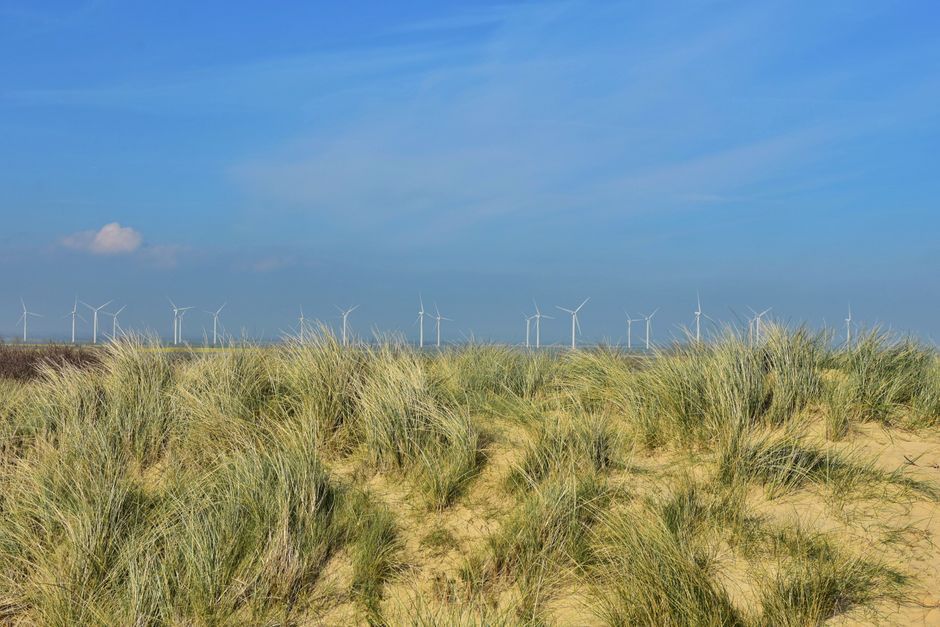
Stock photo for illustration only, not from the actual event
The transition toward clean energy in the UK faces significant hurdles beyond financing and engineering, particularly regarding community pushback and landscape preservation. Constructing high-voltage transmission lines and massive lattice pylons—which can reach heights of up to 187ft (57m), similar to the Beauly to Denny line completed in 2015—frequently triggers local concerns over visual pollution, declining property values, and environmental disruption. The pounds for pylons policy represents a government effort to compensate affected communities, though critics maintain that financial incentives may fall short of addressing long-term localized impacts.
Conversely, rural campaign groups argue that it is impossible to put a definitive price tag on the destruction of scenic landscapes, with several local residents dismissing the financial offer as an insult. Kate Matthews representing the Save Our Mearns campaign group, which is actively fighting proposed pylon upgrades in north-east Scotland including the Kintore to Tealing project, condemned the discount scheme severely.
£2,500 off electricity bills over 10 years is a slap in the face for residents facing ruined businesses and unsellable homes.
Kate Matthews, Save Our Mearns Campaign Group
Matthews added that the proposals have already induced mental anguish for local residents who now face an entire decade of disruptive development characterized by noise, road closures, and heavy traffic. She noted that this would be followed by a lifetime of pylons negatively affecting the local environment, agriculture, tourism, property values, and visual amenity. While campaigners have continuously demanded that greater portions of the power network be placed underground, National Grid and transmission operators contend that undergrounding is considerably more expensive and complicates ongoing maintenance and repairs.
Source: BBC Business
Found something wrong in this article? Report an issue with this article
Comments
Leave a Comment