

iPhone 18 Pro Production Costs Jump 38%, Apple Expected to Cut Margins
TrendForce reports a 38 percent surge in component costs for the 256GB iPhone 18 Pro, driven largely by RAM, with an estimated price tag of $1,399.

Stock photo for illustration only, not from the actual event
- TrendForce reveals a 38 percent increase in component costs for the 256GB iPhone 18 Pro.
- RAM components have become the most expensive part, surpassing previous display costs.
- Estimated retail price could reach 1,399 US dollars or approximately 55,900 Thai Baht.
- Apple is expected to sacrifice gross margins to prevent consumer upgrade delays.
The technology market is bracing for a major shift as TrendForce, a prominent tech research firm, published a new analysis indicating that Apple will face a roughly 38 percent increase in component production costs for the 256GB iPhone 18 Pro compared to the iPhone 17 Pro, with RAM serving as the most expensive component.
The report also outlines that the smartphone's manufacturing expenses are divided into three main categories: component costs, assembly costs, and overhead expenses. The final category encompasses everything from research and development budgets to marketing campaigns.
Regarding component proportions, memory structures accounted for a mere 10 percent of component costs in the iPhone 18 Pro last year. Interestingly, that figure is projected to skyrocket to as high as 40 percent next year. This shift marks a change in component expenses, as display panels previously held the title of the most expensive part, a position now taken over by memory modules.
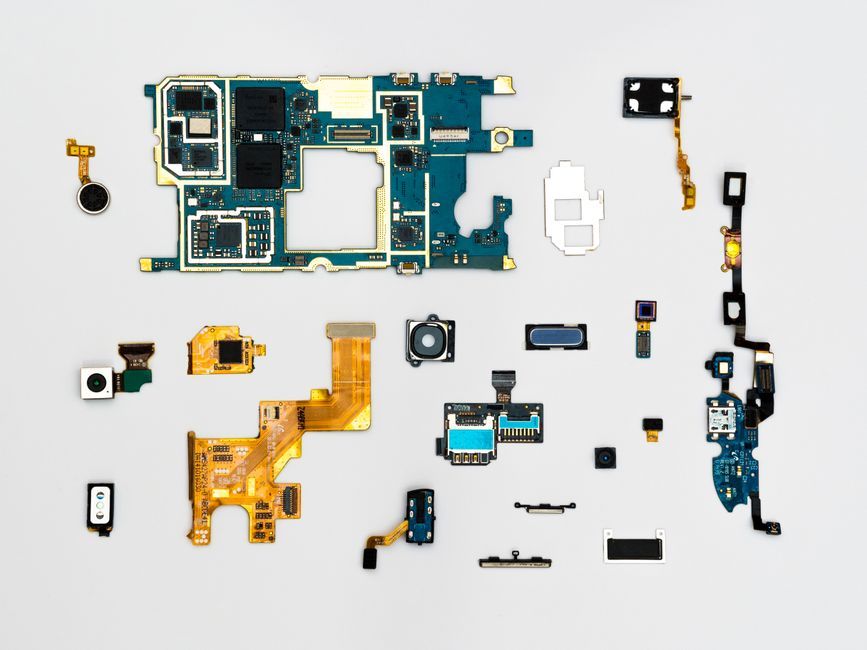
Stock photo for illustration only, not from the actual event
On the pricing front, prior estimations suggested that the iPhone 18 Pro might retail around 1,399 US dollars, or roughly 55,900 Thai Baht, marking a 300 US dollar increase amounting to a 12,000 Baht jump from the original starting price.
The rising cost of memory and RAM highlights how flagship smartphones increasingly rely on advanced hardware to support heavy processing and AI features. Apple's strategy to absorb some of the financial blow by cutting its own gross margins rather than shifting the full burden to buyers serves as a critical business move to prevent consumers from holding off on device upgrades during economic pressures.
Nevertheless, TrendForce evaluates that Apple is likely to employ a strategy similar to its previous MacBook price adjustments by sacrificing a portion of its gross margins instead of passing the full burden onto buyers. A price hike that is excessively steep would risk pushing consumers to delay upgrading their mobile devices altogether.
Source: Thairath Lifestyle
Found something wrong in this article? Report an issue with this article
Comments
Leave a Comment