

Thai Government Boosts Tourism by Promoting 231 Local Heritage Dishes
The Thai government is leveraging cultural capital after ranking 7th globally for food the world loves, introducing 231 endangered local recipes and a special course in September.
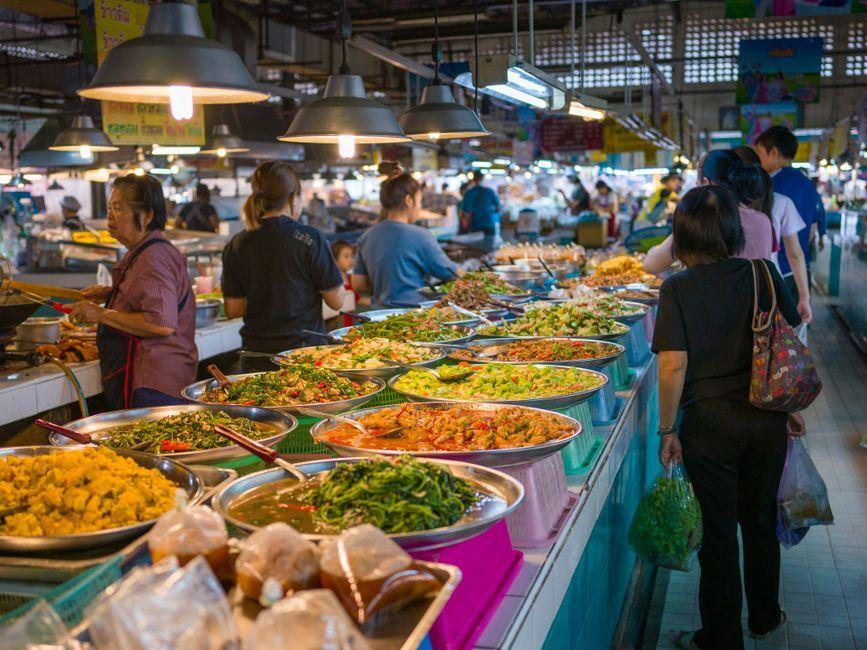
Stock photo for illustration only, not from the actual event
- Thailand ranked 7th globally for food the world loves in the Global Soft Power Index 2026
- The Ministry of Culture compiled over 231 endangered local dishes through The Lost Taste project
- The Department of Cultural Promotion established the Thailand Best Local Food certification criteria
- A special dining course is slated for September to stimulate culinary tourism
On August 12, Ms. Lalida Periwivatana, Deputy Spokesperson for the Prime Minister's Office, announced that the government is advancing its strategy to use Thai culinary culture as a key economic and tourism driver. This follows the Global Soft Power Index 2026 rankings by Brand Finance, which placed Thailand 7th in the world for the characteristic of food the world loves, reflecting strong international appeal.
To build on this recognition, the Ministry of Culture has initiated The Lost Taste project under the Living Heritage concept. The initiative gathers knowledge on more than 231 local heritage recipes at risk of fading away, transforming them into cultural tourism and culinary experiences to generate economic opportunities for local communities while preserving traditional wisdom.
Additionally, the Department of Cultural Promotion has developed the Thailand Best Local Food certification criteria, incorporating insights from 7 experts and feedback from over 400 consumers. The certification is divided into two categories: Classic, for dishes maintaining traditional formulas and identities, and Creative + Innovation, for contemporary interpretations that preserve core culinary values. Five prototype restaurants have been selected to share their stories through a five-part series, ahead of the Lost Taste Special Course event in September.
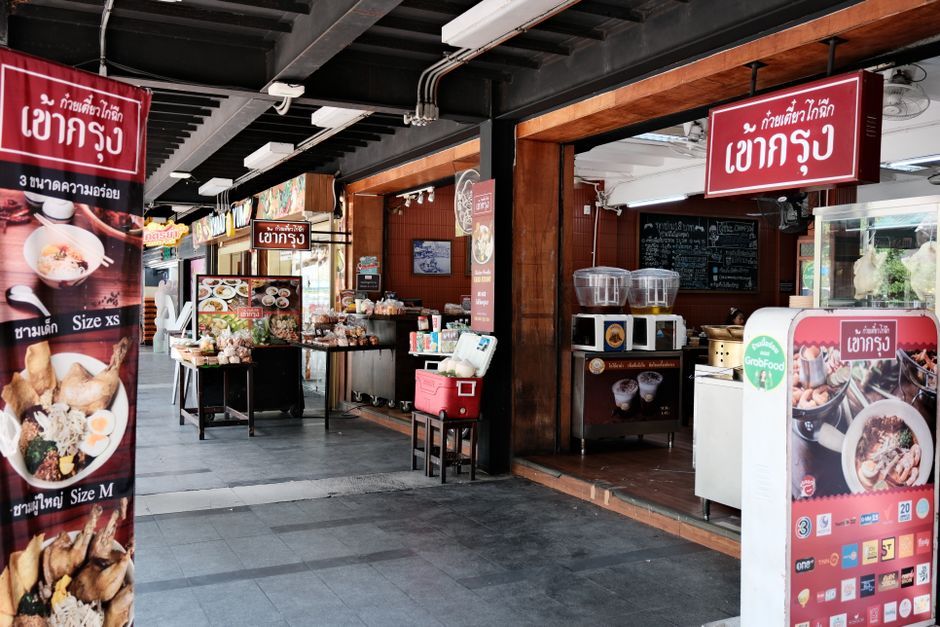
Stock photo for illustration only, not from the actual event
Integrating culinary cultural assets into tourism, often known as gastronomy tourism, serves as a powerful strategy for sustainable regional income distribution. Establishing rigorous standardization criteria enhances the credibility of local micro-entrepreneurs. Meanwhile, Thailand's 7th place in food appeal and 12th place as a destination to visit underscore the immense potential of its soft power to attract international travelers to secondary regions beyond major tourist hubs.
"The government aims to ensure that the preservation of local food does not stop at recording recipes, but ensures these heritages are cooked, eaten, experienced by travelers, and generate income for communities."
Ms. Lalida Periwivatana
Source: Khaosod Politics
Found something wrong in this article? Report an issue with this article
Comments
Leave a Comment