

Reservoir Raises $8M to Make Smart Water Heaters That Stabilize the Grid
Water heater startup Reservoir secures $8 million in a seed round to scale its smart, energy-efficient appliances in the Boston area.

Stock photo for illustration only, not from the actual event
- Reservoir raises $8 million in a seed round led by Asymmetric Capital Partners
- Heat pump water heaters are nearly 4x more efficient than standard electric units
- Features ultrasonic flow sensors to detect plumbing leaks and mobile app alerts
- Aims to reach around 1,000 installed units in the Boston area by the end of next year
It is difficult to imagine a household appliance more easily overlooked than the water heater, even though it accounts for about 18% of a home's total energy budget and acts as a leading cause of residential water damage. Luke Winston-Almanzar, former chief business officer at Formlabs, teamed up with Gabriel Parisi-Amon and Jake Felser to launch Reservoir in order to reinvent this forgotten appliance.
Reservoir announced Wednesday that it has secured $8 million in a seed round led by Asymmetric Capital Partners, with participation from Founder Collective and MCJ. The newly acquired capital will fund further installations around the Boston area, which serves as the startup's initial market launchpad.
To date, Reservoir has deployed approximately 100 devices. Winston-Almanzar stated that the company aims to scale that figure to roughly 1,000 units by the end of next year, entering megawatt-scale capacity. By storing megawatt-hours of energy as hot water, the system can heat water during periods of low electricity demand and cheap pricing, effectively smoothing out grid strains.
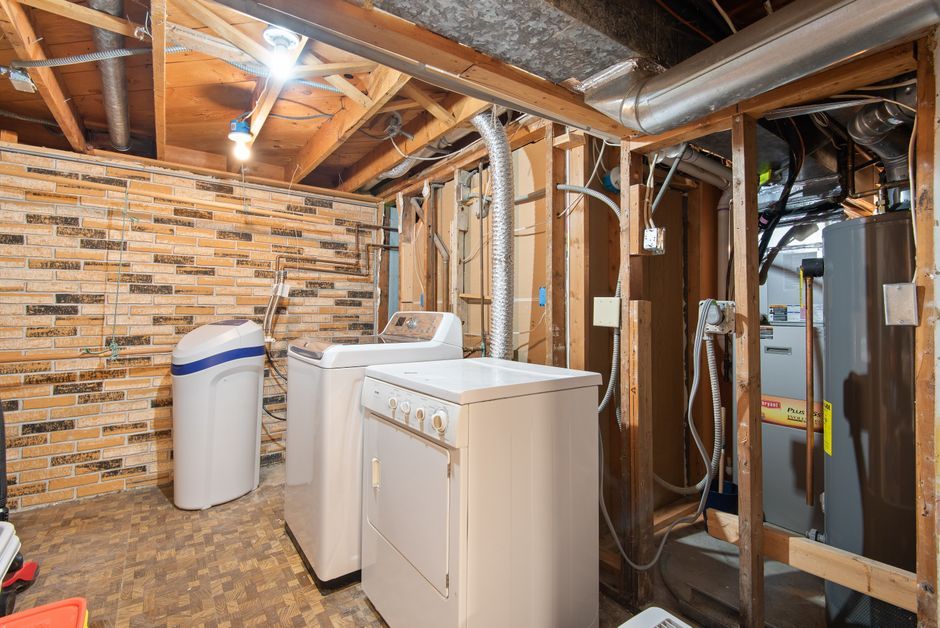
Stock photo for illustration only, not from the actual event
"The typical water heater is devoid of intelligence, it’s using a god-awful amount of energy, and my air fryer is smarter than it."
Luke Winston-Almanzar
Grid-interactive water heaters represent a crucial frontier in modern energy management. By shifting heavy electricity consumption loads away from peak hours, smart appliances help utilities balance intermittent renewable energy sources without firing up expensive peaker power plants, transforming household water tanks into distributed thermal batteries.
Beyond energy storage, Reservoir integrated consumer-focused features such as an ultrasonic flow sensor for leak detection and a dedicated mobile app. The Max version includes a recirculation valve for instant hot water and a mixing valve to prevent pipe freezing during cold snaps. To streamline sales, Reservoir even established its own in-house plumbing operation.
Pricing for the Max version is set at $6,500, while the Core version costs $5,000, installation included. Massachusetts residents qualify for a $1,050 rebate, reducing the Core price to $3,950. Winston-Almanzar notes that homeowners in Boston can save up to $1,000 annually on energy bills, backed by a 10-year warranty.
Source: TechCrunch
Found something wrong in this article? Report an issue with this article
Comments
Leave a Comment