

When Data Centres Move In: How AI Server Farms Spike Household Utility Bills
A Virginia resident saw his January 2026 electricity bill triple, highlighting how the rapid expansion of AI data centres shifts infrastructure costs onto everyday consumers.
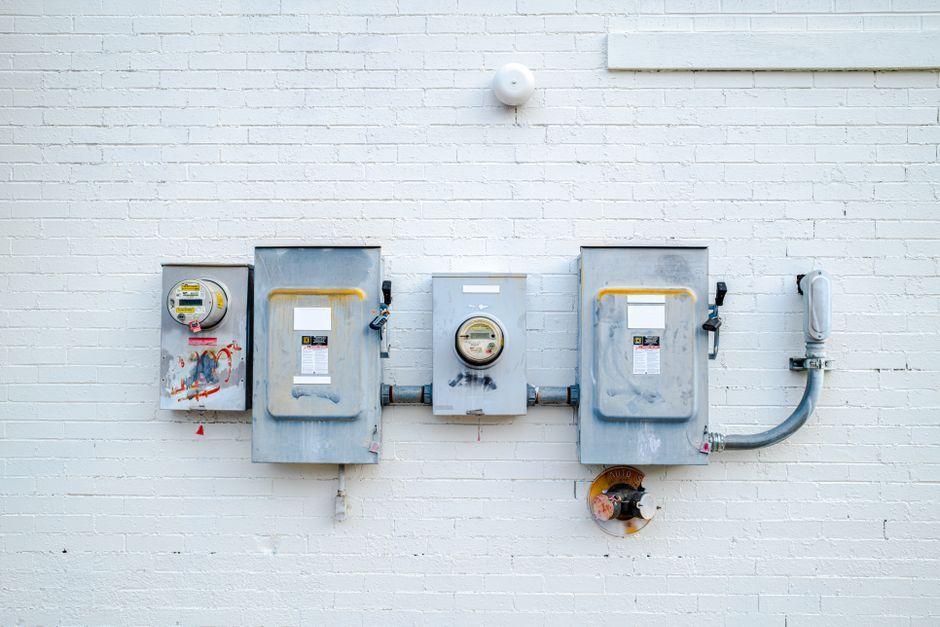
Stock photo for illustration only, not from the actual event
- John Steinbach's electricity bill jumped from nearly $100 to $281 in January 2026.
- Data centres now account for half of all new US electricity demand.
- Residential consumers are shouldering the cost of grid upgrades through monthly utility bills.
- Experts point out that traditional utility rate-making transfers billions from citizens to tech giants.
John Steinbach opened the envelope at his kitchen table in Manassas, Virginia, and stared at a bill that made no sense. His January 2026 electricity bill came in at $281, compared to around $100 the month before. He checked the decimal point and read the meter twice, knowing he had not altered his quiet suburban routine. His house sits roughly twenty miles from Data Center Alley, the densest cluster of server farms on Earth.
He told Consumer Reports in a March 2026 investigation that the bill was far beyond anything he had ever paid. The surge happened not because he used triple the electricity, but because massive silicon and concrete facilities up the highway now draw roughly 40 per cent of Virginia's electricity to train and run artificial intelligence models used globally.
Behind these figures lies a fundamental question: when a hyperscaler builds a massive campus in a rural county, who pays for the substations, transmission lines, and grid upgrades? Traditionally, utilities spread these costs across their entire rate base, meaning every household and small business. This legal framework is quietly transferring billions of dollars a year from retirees and single parents to the balance sheets of history's richest corporations.
"It's just so far beyond any bill that I've ever had."
John Steinbach
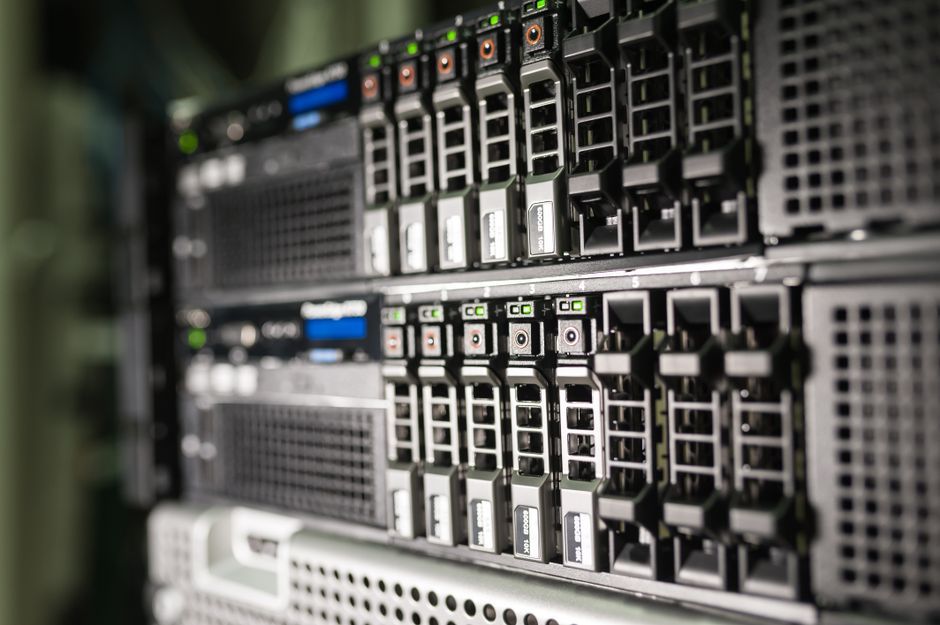
Stock photo for illustration only, not from the actual event
The phenomenon of rate-shifting has sparked intense debate as digital infrastructure outpaces legacy power grids. Because data centres demand continuous, round-the-clock power, utilities must build new generation capacity and transmission lines. Without targeted pricing models for hyperscalers, everyday ratepayers end up subsidizing the massive energy demands of the tech industry through inflated monthly bills.
Ari Peskoe, director of the Electricity Law Initiative at Harvard Law School, noted that ratepayers rather than shareholders are funding this build-out. Meanwhile, Kasia Tarczynska, a researcher at Good Jobs First, estimates that data centres extract roughly a billion dollars annually in tax breaks in Virginia and Texas alone.
Source: Dev.to
Found something wrong in this article? Report an issue with this article
Comments
Leave a Comment