

Unveiling the Legend of Juicy Salif, the Bizarrely Designed Lemon Squeezer by Philippe Starck
Retracing the iconic kitchenware that people didn't buy for juicing, but to display as a work of art.

Stock photo for illustration only, not from the actual event
- Juicy Salif was first launched in 1990 by Alessi
- The design was inspired by an octopus on Capraia Island
- Long-standing debates persist regarding its impractical real-world usage
- It has been exhibited in several world-renowned museums
The Juicy Salif aluminum juicer has become one of the most talked-about household objects since Alessi introduced it to the market in 1990, hailed by some as a masterpiece while simultaneously criticized by others for being difficult to use in practice, sparking debates in design schools worldwide. Even after more than three decades, it remains instantly recognizable, not because it squeezes lemons better than its competitors, but because it challenges conventional notions of what everyday objects should look like.
The story began in 1988 while Philippe Starck was eating fried squid at a seaside restaurant on the Italian island of Capraia. The French designer began sketching on a placemat. Instead of the metal tray that Alberto Alessi had commissioned, he drew a creature with long, slender legs supporting a tapered body, sitting somewhere between an octopus, a spider, a rocket, and an alien life form, before that sketch eventually evolved into the Juicy Salif.
The brand's willingness to embrace a work that deviated entirely from the original brief reflects the boldness of the golden age of Italian industrial design, which opened up space for design to break free from the strictly modernist functionalist framework that had long adhered to the mantra "form follows function."
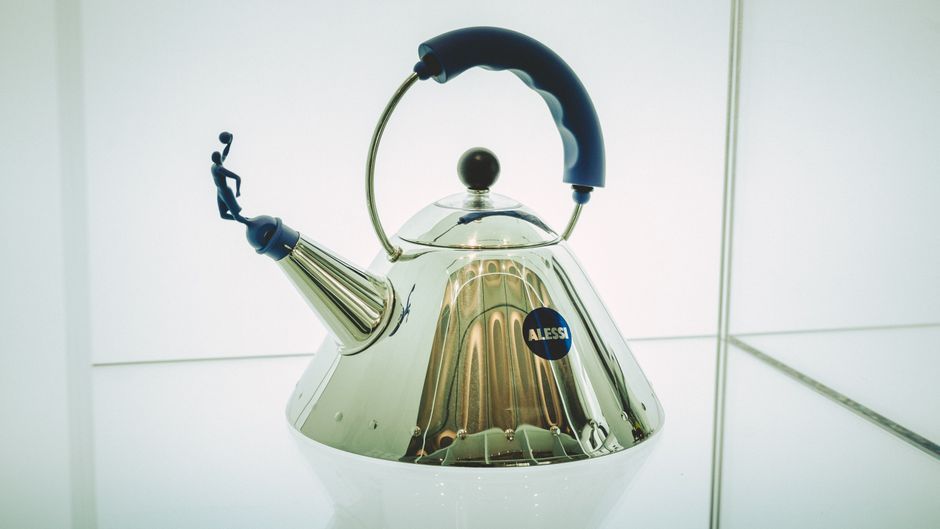
Illustration from stock photo library, not from the actual event
A major turning point occurred when Alberto Alessi agreed to bring this work into production. Even though Starck delivered something entirely different from what was assigned, Alessi's executives immediately recognized its potential, as during the late 1980s, the Italian company was interested in objects that could generate surprise alongside practical use.
Source: designboom
Found something wrong in this article? Report an issue with this article
Comments
Leave a Comment