

Supreme Court Rules: Land Donated to a Temple Cannot Be Revoked
The Supreme Court clarifies that once land is officially dedicated to establishing a temple with clear intent, it becomes state property and cannot be reclaimed or transferred arbitrarily.
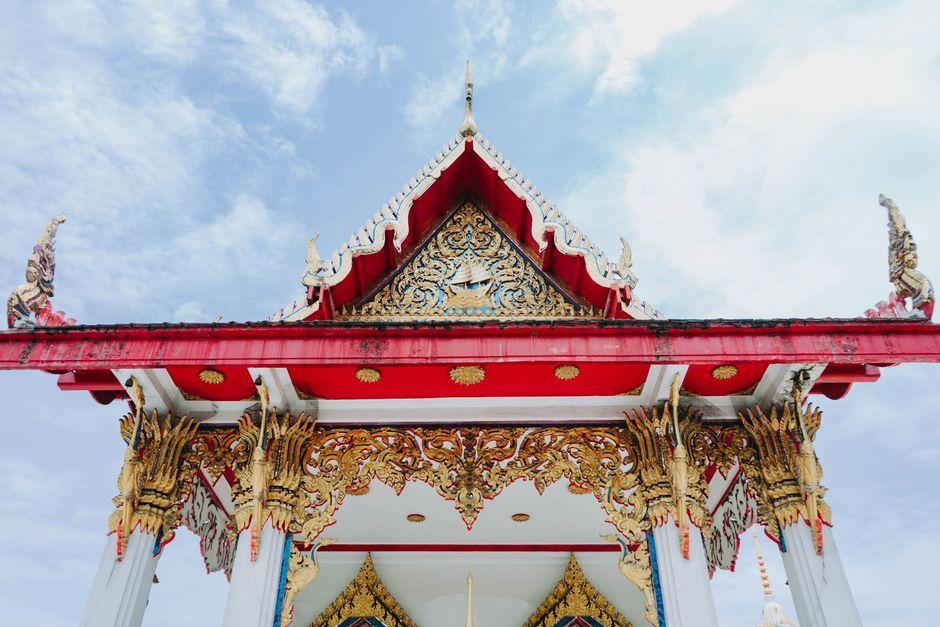
Stock photo for illustration only, not from the actual event
- The second plaintiff purchased and donated land to the first plaintiff temple starting July 13, 1970.
- The Ministry of Education and Sangha Supreme Council published the temple establishment in the Royal Gazette on July 21, 1970.
- The land became state property for temple construction immediately without needing registration under Civil and Commercial Code Section 525.
- Transferring temple land ownership can only be done through a specific Act of Parliament, making subsequent private transfers illegal.
Legal regulations concerning temple land ownership returned to the spotlight following a recent Supreme Court ruling regarding a land donation dispute. The case began when the second plaintiff acquired a piece of land from a third party and intended to donate it to the first plaintiff temple, which at the time had not yet been officially registered as a juristic entity. Later, on July 13, 1970, the first plaintiff was officially proclaimed as a temple, with the second plaintiff appointed as its abbot.
Throughout the process, the second plaintiff consistently demonstrated a clear intention to dedicate the disputed land to the temple, including signing a statement confirming the temple's desire to accept the land transfer starting from July 13, 1970. The court ruled that this explicit intention to dedicate the property for building a temple meant the land immediately became state property for that purpose. Consequently, it did not require written documentation or official registration of the gift with authorities under Section 525 of the Civil and Commercial Code.
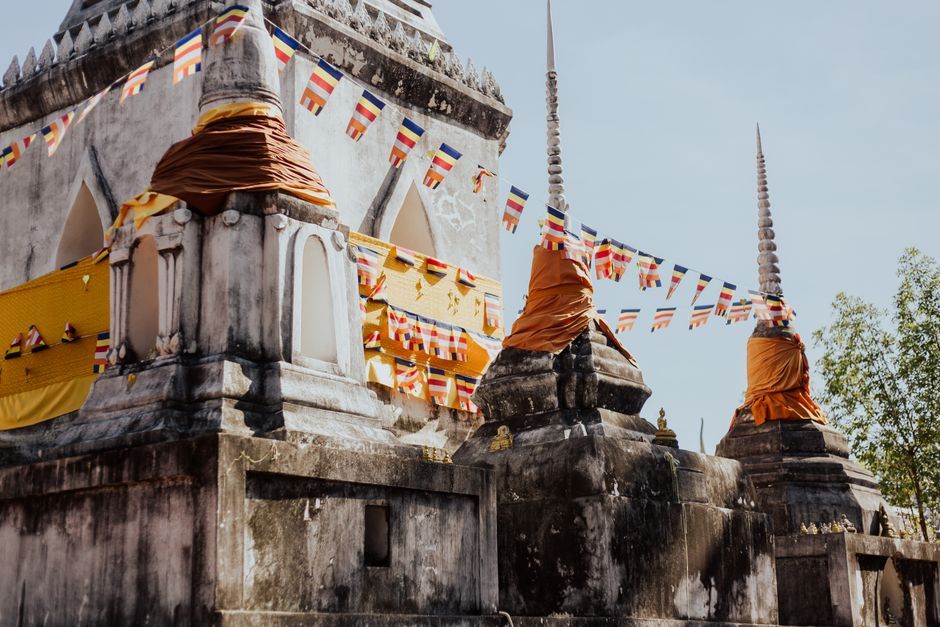
Stock photo for illustration only, not from the actual event
After the construction of the first plaintiff temple was successfully completed, the Ministry of Education and the Sangha Supreme Council approved its establishment, which was officially published in the Royal Gazette on July 21, 1970. As a result, the disputed land became the absolute property of the first plaintiff temple from that day onward.
Under Thai law, land belonging to a temple holds a special legal status distinct from private property. According to the Sangha Act, alienating or transferring temple land cannot be accomplished through standard private property transactions. The ruling emphasizes that ownership transfer can only occur through a formal Act of Parliament. This stringent legal mechanism exists to protect religious assets, ensuring transparency and preventing individuals—whether the original donors or temple administrators—from converting sacred public properties into personal assets.
Given this strict legal status, once the land officially belonged to the temple, Section 34 of the Sangha Act B.E. 2505 (1962) explicitly mandates that any ownership transfer of temple land must be executed exclusively through an Act of Parliament.
Consequently, the second plaintiff's authorization granting the defendant the power to receive the transfer of the disputed land into the defendant's own name was legally invalid. The defendant had no lawful right to acquire ownership of temple property, rendering any subsequent land transfers from the defendant to the first co-defendant legally void as well.
Source: Matichon Politics
Found something wrong in this article? Report an issue with this article
Comments
Leave a Comment