

Northrop’s robot space mechanic is a new way to keep satellites at work longer
Northrop Grumman unplugs its MEV spacecraft from the Optus satellite, paving the way for the new robotic MRV and propulsion pods in 2027.
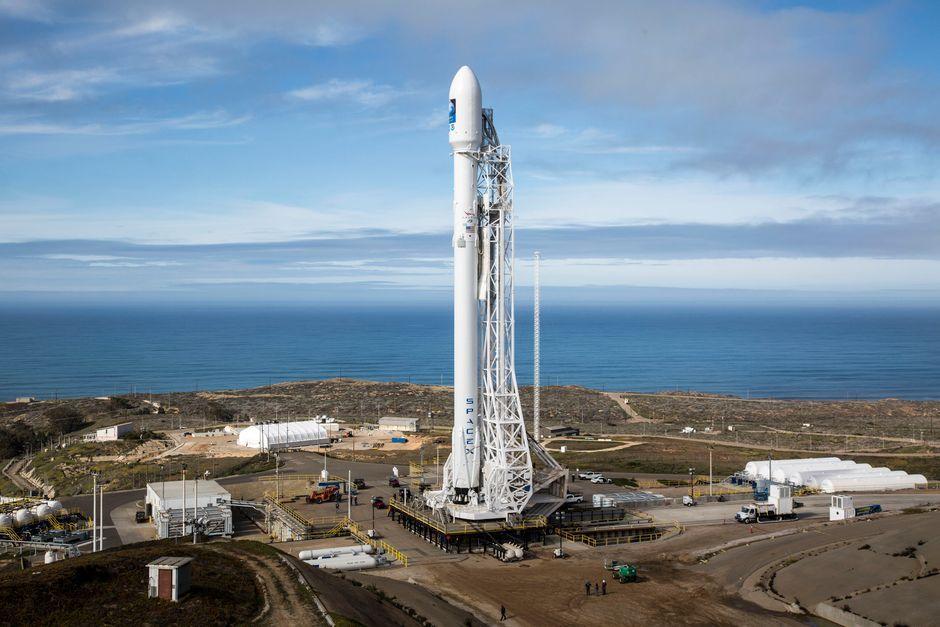
Stock photo for illustration only, not from the actual event
- Northrop Grumman's MEV spacecraft has unplugged from the Australian firm Optus's communications satellite.
- Four new Northrop spacecraft launched into orbit aboard a SpaceX Falcon 9 rocket this July.
- The Mission Robotic Vehicle (MRV) featuring DARPA robotic arms will attach MEP propulsion pods in 2027.
- The initiative aims to extend the operational life of satellites that run out of fuel rather than hardware.
High above the Earth, a fresh generation of robotic mechanics built to keep aging satellites operational is actively replacing its predecessors. This week, a spacecraft developed and operated by Northrop Grumman known as a Mission Extension Vehicle (MEV) detached itself from a communications satellite managed by the Australian company Optus. For over a year, this MEV spacecraft remained firmly attached to the back of the Optus satellite, holding it precisely in position so it could carry on with its mission.
The life-extension vehicle is now departing to make room for its successor. Back in July, four new Northrop spacecraft launched into low orbit on top of a SpaceX Falcon 9 rocket. One of them is the Mission Robotic Vehicle (MRV), a heavy-duty satellite outfitted with two sophisticated robotic arms developed alongside DARPA, the U.S. military research agency. The remaining three are Mission Extension Pods, or MEPs, which are smaller and simpler modular propulsion systems.
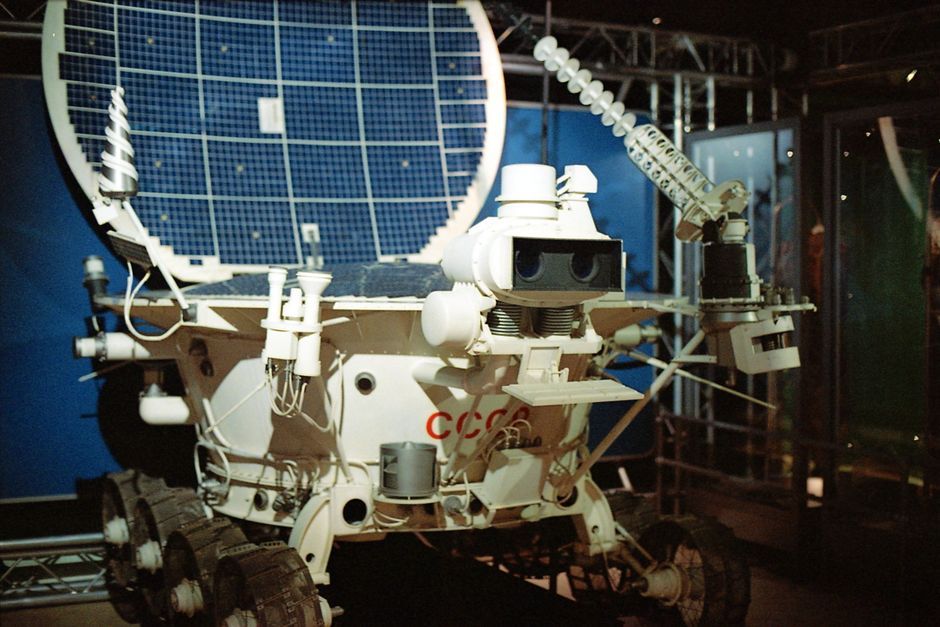
Stock photo for illustration only, not from the actual event
All four spacecraft are currently journeying toward destinations roughly 27,000 miles above the Earth. By 2027, the MRV will employ its robotic arms to affix one of the MEP pods onto the Optus satellite, securing its place in orbit for several more years.
Satellites utilized for communications or Earth-monitoring sensors only function for a finite period. They typically fail when their fuel supplies are exhausted to maintain correct positioning, rather than because their onboard computers and transceivers break down. The Optus satellite originally launched in 2009 with a designated 15-year lifespan. Provided conditions hold, the satellite could fly and generate revenue for another six years.
In-orbit satellite servicing has historically faced hurdles due to steep costs and technical risks. However, decreasing launch expenses and cheaper space hardware are turning spacecraft repair missions into commercial reality. This evolving business model allows satellite operators to own modular MEPs permanently, enabling a single centralized MRV to service multiple vehicles and lower overall service costs.
Currently, two MEVs launched in 2019 and 2020 are operating in orbit, having delivered a collective 10 years of life extension to three customers, consisting of two Intelsat spacecraft and the Optus satellite. MEV-1 is standing by in a parking orbit for another client, while MEV-2 remains hooked to its Intelsat customer through 2030.
Executing these missions demands advanced technological capabilities. The vehicles must execute autonomous approaches and safe dockings while traveling at thousands of miles per hour. The MEVs rely on docking probes to connect with satellite thruster nozzles, whereas the MRVs must carefully manipulate and attach the MEPs using robotic arms. Furthermore, the MRV is engineered to be refueled directly in orbit, serving as a conceptual proof for broader in-orbit servicing standards.
Source: TechCrunch
Found something wrong in this article? Report an issue with this article
Comments
Leave a Comment