

Buy or Build? A Backend Flow to Poll SMS 2FA Login Delivery Status in Node/Express
A decision guide for solo developers and small teams on managing SMS 2FA delivery states and fallback policies.

Stock photo for illustration only, not from the actual event
- Use managed SMS 2FA for Node/Express only when your app can poll status, handle retries, and own fallback policies.
- For solo SaaS, prioritize engineer revenue per hour and ship weekly.
- Treat OTP creation, message delivery, and code verification as separate distinct facts.
- Poll with bounded exponential backoff and stop at a product-defined deadline.
For a simple Node/Express backend flow, use managed SMS 2FA for login only when your app can poll delivery status, handle retries, and own the fallback policy. Choose a real-time communications orchestrator when those decisions must span several channels immediately without delay.
The short answer for a simple Node/Express login is to keep authentication state within your app, poll SMS delivery before offering a resend, and provide a separate recovery path after the polling deadline. For a one-person SaaS, revenue per engineering hour is the most useful lens to apply. Ship weekly and outsource undifferentiated transport, but never outsource the login decision itself.
Treat OTP creation, message delivery, and code verification as separate facts. A send request can be accepted while delivery remains unknown, and a delivered message still does not prove that the person entering the code controls the account. The application therefore requires its own attempt record and its own state transitions, rather than relying on a single sent boolean flag.
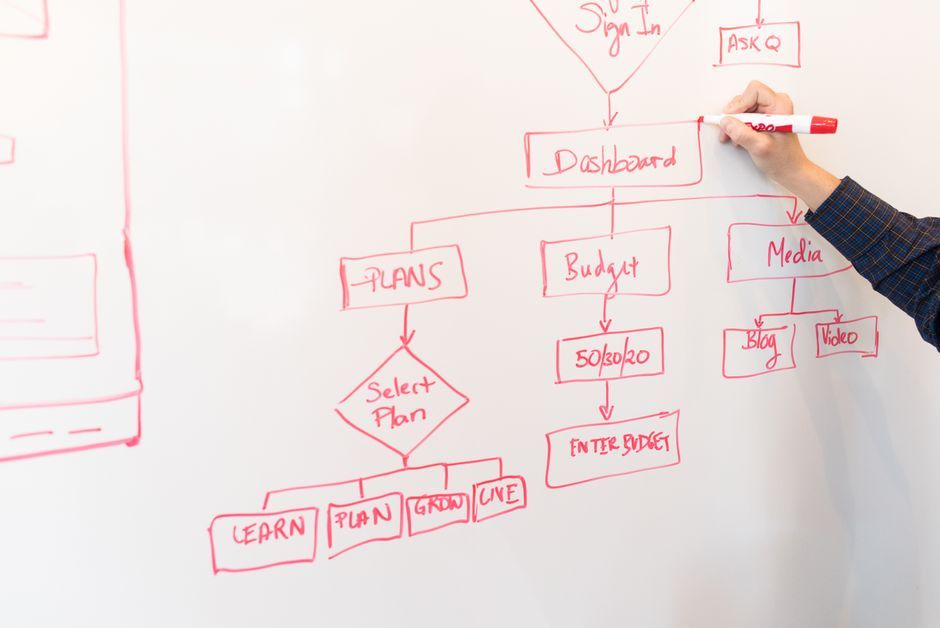
Stock photo for illustration only, not from the actual event
A compact application state model might use created, delivery_pending, retry_available, verified, and expired. These are local application states, not vendor response fields. After requesting an OTP, save the returned message identifier with the login attempt and poll its status on a scheduled basis. If delivery is unsuccessful, make a bounded resend available or move the user to an alternate recovery method, while code verification remains a distinct operation followed by session creation only when local checks pass.
Context & Analysis: The primary engineering challenge of pull-only SMS delivery status is the absence of instant webhooks alerting the backend the moment carrier outcomes shift. Because delivery events are fetched on a schedule, architectures must rely on background workers rather than letting telecom carrier timing dictate application security policies.
The awkward case of delayed information deserves close attention. Because delivery events here are pull-only, no webhook wakes the backend at the exact moment a carrier outcome changes. Picture an attempt moving through the system: the server requests the code, stores the message identifier, and marks its own record delivery_pending; a scheduled worker later reads the transport result and updates that record; meanwhile, the browser asks only for the application state and cannot trigger an uncontrolled send.
Do not resend on every pending result, as two codes arriving out of order create confusion and automatic loops create abuse and cost exposure. Instead, poll with bounded exponential backoff, stop at a deadline chosen for the product, and then require explicit user action. OWASP's recovery guidance supplies the security floor: return consistent messages, keep response timing consistent, use a side channel, rate-limit requests, make codes single-use, and store them securely.
Source: Dev.to
Found something wrong in this article? Report an issue with this article
Comments
Leave a Comment