

Unveiling the Secret Origins of Vanilla and Its Natural Plant Source
Discovering what vanilla is truly made of, the labor-intensive cultivation process, and the truth behind artificial flavorings.

Stock photo for illustration only, not from the actual event
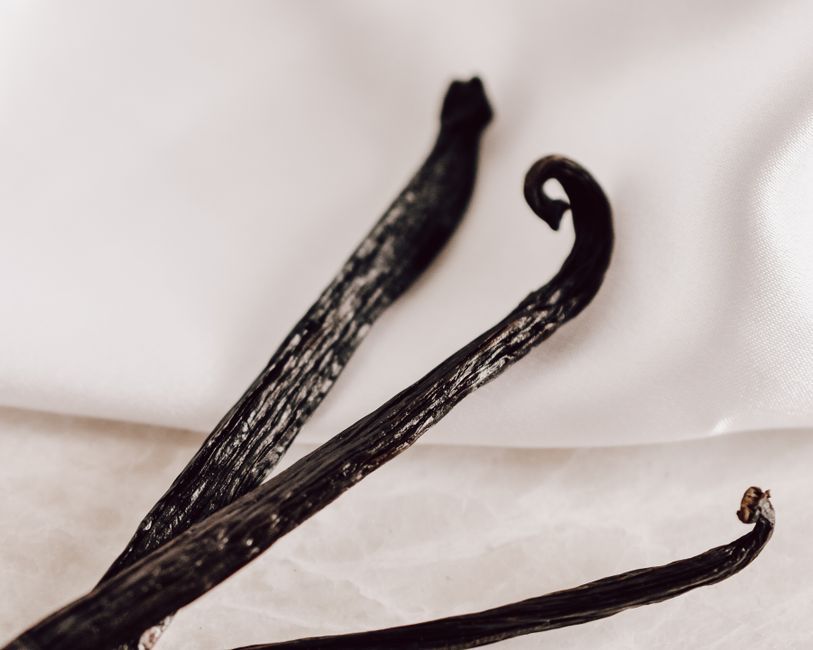
- Pure vanilla is derived from orchid pods belonging to the Vanilla genus, mainly Vanilla planifolia.
- Production requires manual hand-pollination and months of curing and drying.
- Synthetic vanillin is manufactured from wood pulp or petrochemicals and is FDA-approved.
- Castoreum from beavers is extremely rare and now restricted to high-end perfumes.
Vanilla fragrance stands as one of the most beloved and globally recognized scents used across the food and beverage industry, flavoring everything from ice cream and baked goods to hot and cold beverages. However, many people remain unaware of what vanilla is actually made from and the intricate procedures required to produce that familiar comforting aroma.
In reality, genuine vanilla originates directly from the seed pods of orchids within the Vanilla genus, with Vanilla planifolia being the most widely cultivated species native to Mexico. Cultivating and harvesting this crop demands meticulous care because the vanilla orchid blossoms for only a single day each year.
The extreme fragility of the flowers and their fleeting bloom cycle mean that natural vanilla farming heavily relies on intensive manual labor. Historically, workers had to manually pollinate each individual blossom by hand before waiting months for the pods to mature, cure, and dry until white crystalline deposits known as vanillin emerged. This painstaking process makes natural vanilla one of the most expensive agricultural commodities globally, ranking second only to saffron.
Because authentic vanilla commands such high prices and suffers from strict production limits, mainstream food manufacturers predominantly rely on alternatives. The commercial vanilla flavorings available in the market are typically categorized into the following types:
- Pure Vanilla Extract: Created by soaking authentic vanilla pods in a mixture of alcohol and water to draw out the aromatic compounds, offering a complex and smooth profile mainly used in upscale bakeries.
- Synthetic Imitation Vanilla: Everyday snacks usually utilize synthetic vanillin derived from materials like wood pulp or petrochemicals, mimicking the natural profile safely at a fraction of the cost.
Stock photo for illustration only, not from the actual event
Furthermore, viral internet claims previously suggested that historical vanilla flavoring derived from castoreum, a glandular secretion sourced near a beaver's tail. This claim holds only partial truth. Because modern castoreum supplies are exceptionally scarce and expensive, the food and beverage sector completely avoids using it today, reserving the substance solely for specialized high-end perfumery. Consumers can therefore enjoy vanilla-flavored treats with absolute peace of mind.
For baking enthusiasts and health-conscious consumers alike, inspecting product labels prior to purchase remains essential. Shoppers seeking genuine extract should look for labels stating Pure Vanilla Extract or Vanilla Beans, whereas synthetic alternatives generally display Imitation Vanilla designations.
Source: Thairath Lifestyle
Found something wrong in this article? Report an issue with this article
Comments
Leave a Comment