

Ebola outbreak in DR Congo on track to be deadliest ever, WHO warns
The World Health Organization reports that the current Ebola outbreak in the Democratic Republic of Congo is heading toward becoming the most lethal in history.

Stock photo for illustration only, not from the actual event
- The outbreak, declared on 15 May 2026, has recorded over 4,300 cases and more than 2,000 deaths.
- It is caused by the rare Bundibugyo species of Ebola, lacking any approved vaccines or recognised treatments.
- Regional instability in eastern DR Congo restricts health workers to reaching only about 30% of total cases.
The ongoing Ebola outbreak in the Democratic Republic of Congo is on path to surpass the deadliest recorded epidemic of the disease in history, according to the director-general of the World Health Organization (WHO). Formally declared on 15 May 2026, this year's outbreak has already resulted in at least 4,300 reported cases and claimed upwards of 2,000 lives.
Speaking on Wednesday, the WHO stated its aspiration to reverse the viral spread within a three-month window, while cautioning that this objective entails bringing transmission under control rather than completely halting the epidemic. Health officials noted this week that although the epidemic was only officially announced in May, epidemiological assessments suggest the outbreak actually originated at least three months prior.
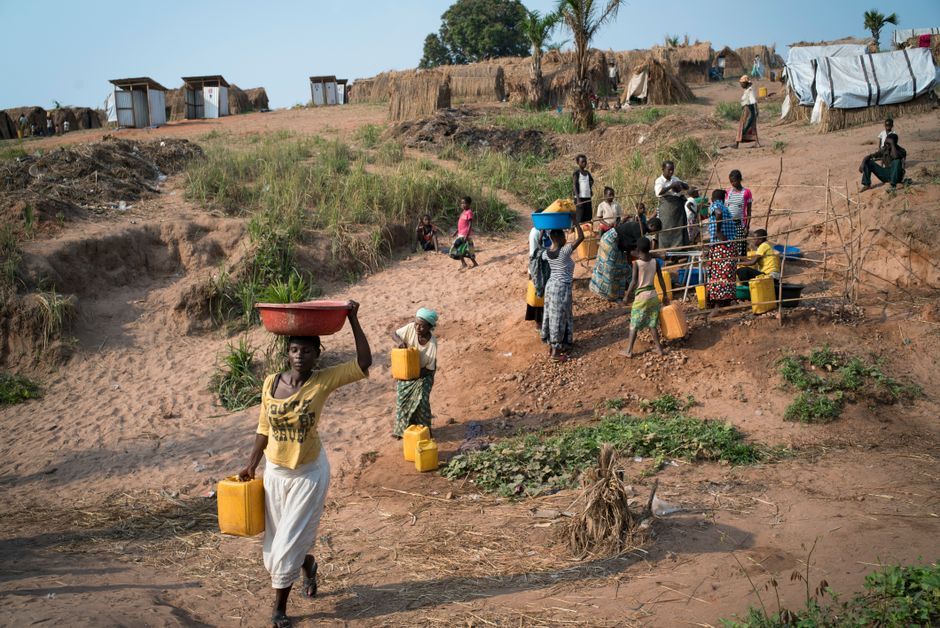
Stock photo for illustration only, not from the actual event
Dr Mohamed Janabi, WHO Africa director, stated during a news conference held in the city of Bunia near the outbreak's epicenter that health authorities are currently chasing the virus because the pathogen remains ahead of them. He cited research indicating that viral transmission began back in February and was initially misdiagnosed locally as malaria or typhoid.
"We are chasing the virus, the virus is ahead of us"
The 2026 epidemic stems from the rare Bundibugyo species of Ebola, which has previously triggered only two documented outbreaks in 2007 and 2012. Currently, no approved vaccines or recognised therapeutic drugs exist to treat this specific viral strain. Compounding these obstacles, ongoing regional instability in eastern DR Congo has severely hampered disease control efforts, leaving health workers able to reach only about 30% of active cases, per Dr Janabi's figures.
From an epidemiological standpoint, the re-emergence of the Bundibugyo Ebola species after more a decade of dormancy presents a formidable challenge to global health infrastructure. Unlike the Zaire strain, which benefits from established vaccines developed during prior outbreaks, this rare strain requires entirely new medical countermeasures. Coupled with security challenges in eastern DR Congo, containing transmission demands robust community engagement and targeted logistical support.
On a regulatory front, the UK's medicines regulator, the MHRA, has granted authorization for the inaugural human clinical trials of a Bundibugyo vaccine candidate. Developed by an Oxford University research team, the jab utilizes the identical viral vector technology deployed in the Oxford-AstraZeneca Covid vaccine. Three additional research consortia are concurrently developing separate vaccine candidates, though those have not yet progressed to clinical trials.
Source: BBC World
Found something wrong in this article? Report an issue with this article
Comments
Leave a Comment