

Modern Art Museums Transform Visitor Experience with Data and Technology
Museums worldwide are undergoing a major shift, adopting data-driven curation and exhibition approaches to navigate a changing technological landscape.
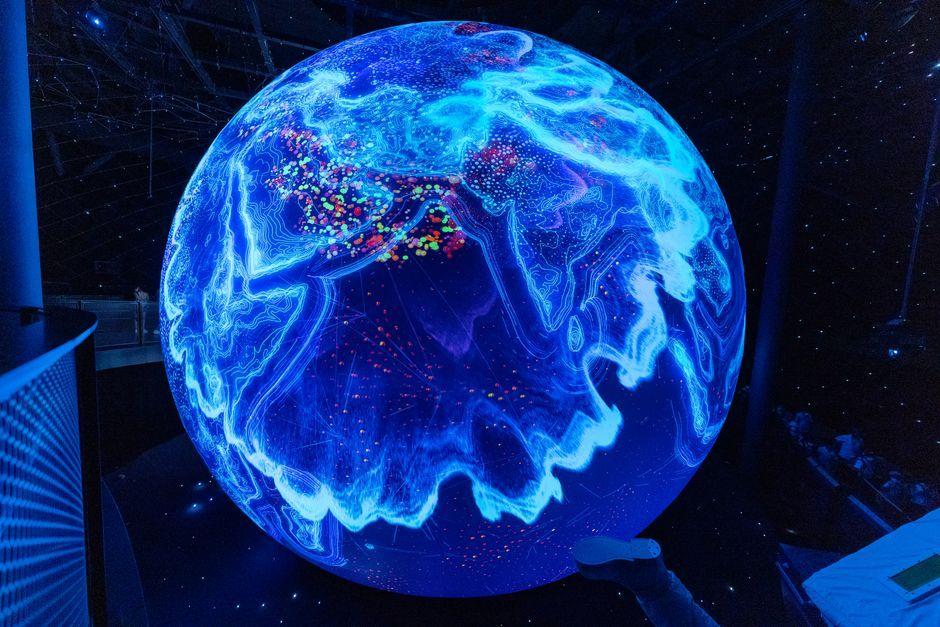
Stock photo for illustration only, not from the actual event
- Art museums are embracing data-driven curation concepts
- Evolving technologies are helping create new experiences for visitors
- This adaptation focuses on understanding visitor behavior and needs through metrics
In an era where technology plays a role in every industry, cultural institutions and art museums are no longer stopping at traditional exhibitions. Instead, they are stepping into a major phase of adaptation by using data to drive curation processes and exhibition design, meeting the shifting behaviors of today's audiences.
The shifting technological landscape forces museums to seek new tools that deepen their understanding of visitors, from how they select pieces to display to managing indoor museum spaces for maximum efficiency, relying heavily on actionable insights for decision-making.
Applying a data-driven approach within the arts and museum sector helps these institutions better reach new audiences by analyzing interest behaviors, time spent in each zone, or even interactions with specific pieces, making exhibitions more targeted and engaging in the digital age.
This approach marks an important milestone showing that art and technology are not polar opposites, but can merge to effectively elevate value and accessibility for the younger generation.
Source: Ars Technica
Found something wrong in this article? Report an issue with this article
Comments
Leave a Comment