

Hostinger vs Namecheap 2026: Comprehensive Hosting Comparison
Head-to-head comparison between Hostinger and Namecheap in 2026 covering pricing, speed, performance, and key features to find the best value.

Stock photo for illustration only, not from the actual event
- Hostinger stands out with LiteSpeed server performance and a built-in AI website builder.
- Namecheap maintains its core strength as a domain registrar with top-tier customer support.
- Hostinger consistently loads websites in under one second compared to Namecheap's 1.8 to 2.5 seconds.
- Hostinger features a user-friendly custom control panel called hPanel while Namecheap uses cPanel.
Choosing the most cost-effective web hosting provider in 2026 is crucial for online success. This detailed comparison between Hostinger and Namecheap is built on firsthand experience managing dozens of websites, ranging from small blogs and multi-page funnels to SaaS projects and ecommerce stores, putting pricing, performance, speed, uptime, customer support, and real features side by side.
Having personally used both providers for actual business operations rather than just reading feature lists, the author notes that Hostinger is well-known for speed via LiteSpeed servers, affordability, and beginner-friendly tools. A standout feature is the free AI website builder, which enables users to generate a professional website in minutes simply by describing their business operations.
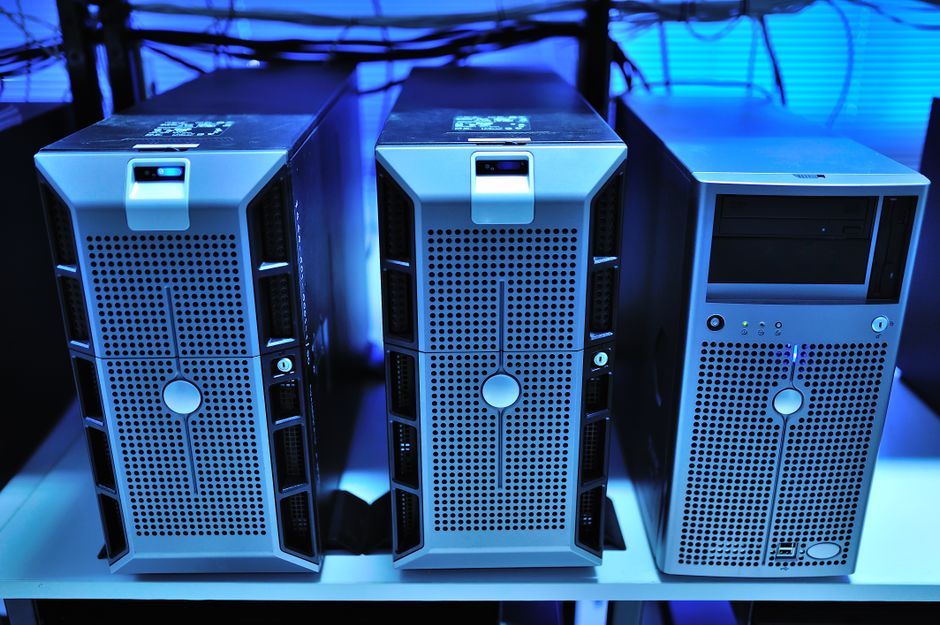
Stock photo for illustration only, not from the actual event
Namecheap started as a domain registrar, and that remains its strongest suit. Most of the author's domain names reside on Namecheap, and that is where the provider will likely continue to be utilized. However, looking at hosting plans, Hostinger launched special long-term deals for 24 to 48-month plans at introductory prices ranging from 1.99 to 2.99 dollars per month, often bundling a free domain name with the hosting package.
Namecheap’s shared Stellar plan starts at approximately 1.98 dollars per month when billed annually, though domain registration and email might incur extra costs after the first year depending on the specific offer. In performance testing, Hostinger consistently loaded websites in under one second due to LiteSpeed servers and built-in caching, whereas Namecheap averaged around 1.8 to 2.5 seconds on shared hosting plans, which remains decent but less optimized.
Page loading speeds under one second play a critical role in conversion rates for ecommerce platforms and overall SEO performance. Hostinger's inclusion of server-level optimization by default significantly lowers the technical barrier for beginners who might otherwise struggle to configure caching manually.
Both providers offer free SSL certificates and a 99.9 percent uptime guarantee. Hostinger takes an extra step by including automated weekly backups and Cloudflare protection by default, whereas Namecheap requires most of these elements to be configured manually. Regarding customer support, Hostinger provides fast 24/7 live chat while Namecheap boasts an equally impressive support team that has proven reliable during critical troubleshooting moments, resulting in a draw for support.
For server management, Hostinger utilizes its custom hPanel which is clean, modern, and built specifically for beginners with real-time setup guidance. Namecheap relies on cPanel, which suits technical users but lacks visual simplicity. Ultimately, for 2026 and beyond, Hostinger wins for users seeking speed, simplicity, and long-term savings, while Namecheap remains suitable if domain assets are already hosted there and only basic hosting is required.
Source: Dev.to
Found something wrong in this article? Report an issue with this article
Comments
Leave a Comment