

Flock says its new tool will help identify police abuse, but lacks details
Surveillance tech startup Flock introduces new policies and its Audit Assistance tool to curb license plate reader misuse, but privacy experts remain skeptical about its effectiveness.
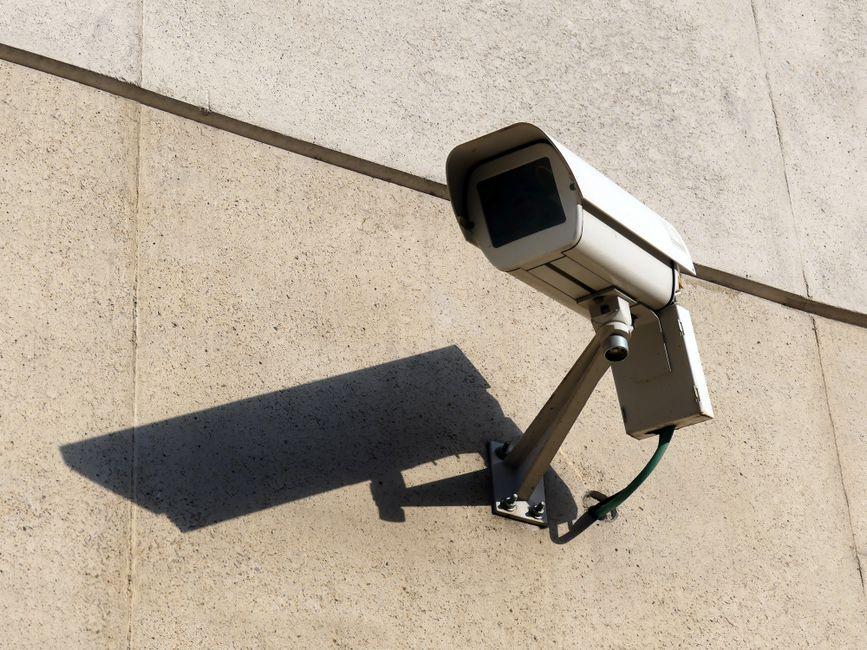
Stock photo for illustration only, not from the actual event
- Flock now recommends police departments retain data for 7 days instead of the previous 30 days.
- The company introduced Audit Assistance to flag abnormal activity, making it mandatory for all customers by year's end.
- Flock clarifies that the tool is not AI or machine learning, but rather a data tool flagging atypical search patterns.
- Privacy experts from the ACLU and EFF call for independent audits due to a lack of concrete effectiveness metrics.
Surveillance technology startup Flock announced a series of new policies and tools on Thursday, claiming they will help curb the abuse of its automated license plate camera reader systems and hold law enforcement customers accountable. Among the changes, Flock is now recommending that police departments retain data for seven days rather than the previous 30 days, alongside a new “Evidence Mode” for exceptional cases that require longer retention periods and a specific case number.
The company also highlighted the “Audit Assistance” tool, launched in April, which has already been adopted by more than one-third of its customers. Flock is now requiring all customers to enable the feature by the end of the year. The tool is designed to detect abnormal activity, flag it for administrator review, and automatically lock out flagged users until an administrator intervenes.
Despite its emphasized importance, Flock has not provided detailed explanations of how Audit Assistance actually works. Ashley Haber, Flock's head of trust and compliance, stated in a video that the tool flags odd search history from specific users, while co-founder Paige Todd noted it identifies unusual patterns early, such as searching the same plate repeatedly for over 30 days. Major Patrick Krieg of the Dunwoody Police Department described it in a press release as an algorithm that notifies users of bias.
The deployment of proprietary auditing tools by private surveillance vendors for law enforcement agencies raises critical governance questions. When companies rely on internal rule-based flagging systems rather than transparent, open-source algorithms, verifying their true efficacy becomes challenging. Independent external validation remains crucial for accountability in automated policing infrastructure.

Stock photo for illustration only, not from the actual event
TechCrunch reached out to Flock regarding the underlying mechanics, training data, and specific criteria for abnormal activity. Flock clarified that Audit Assistance is not based on machine learning or AI, but functions as a data tool flagging atypical patterns—such as searching for the same plate using multiple different case codes—which warrants further investigation rather than confirming immediate abuse.
"There is no evidence that the tool works consistently."
Chad Marlow
Privacy experts and critics remain unimpressed. Chad Marlow, senior policy counsel at the American Civil Liberties Union, argued that without knowing the exact baseline of misuse, it is impossible to determine whether the auditing tool is genuinely effective or merely window dressing, calling for an independent evaluator. Cooper Quintin, a security researcher at the Electronic Frontier Foundation, added that law enforcement may find ways around the tool, emphasizing that strict legal constraints and warrant requirements are the true paths to accountability.
Source: TechCrunch
Found something wrong in this article? Report an issue with this article
Comments
Leave a Comment