

Virgin Galactic wants your help naming its new Delta class spaceship
Virgin Galactic invites the public to suggest and vote on names for its upcoming Delta class spaceship, featuring candidates like Horizon and Apeiron.

Stock photo for illustration only, not from the actual event
- Virgin Galactic launches a public campaign to name its new Delta class spaceship
- Initial naming candidates include VSS Horizon, Explorer, Ascend, and Apeiron
- The initiative aims to build deeper engagement with space enthusiasts and brand supporters
Virgin Galactic is reaching out to the public for assistance in naming the next generation of spacecraft in its Delta class fleet. The company is opening up a crowdsourcing effort, allowing space fans and supporters to weigh in on what the new commercial vehicle should be officially called.
A shortlist of potential names has been put forward for consideration, capturing themes of exploration and forward movement. The candidate names under discussion include VSS Horizon, VSS Explorer, VSS Ascend, and VSS Apeiron, each embodying the spirit of future space tourism and aerial exploration.
Engaging the public in the naming process of high-tech aerospace vehicles is a proven tactic for fostering brand loyalty and community excitement. Similar public naming campaigns have been successfully utilized by space agencies for Mars rovers and major telescopes, effectively turning everyday enthusiasts into active participants in space history.
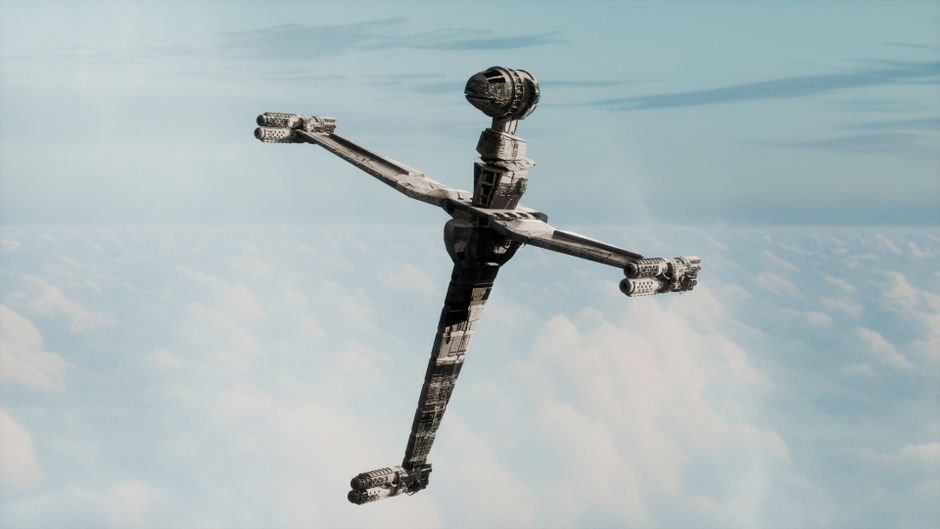
Stock photo for illustration only, not from the actual event
The final decision on the spacecraft's moniker will follow the collection of public input and internal review. Once chosen, the selected name will be proudly displayed on the hull of the newly manufactured Delta class vehicle as it prepares for upcoming commercial flight operations.
Source: Ars Technica
Found something wrong in this article? Report an issue with this article
Comments
Leave a Comment