

White House says dozens of countries helped China evade US tariffs
A White House report claims Canada, India, Mexico, Japan and South Korea facilitated transshipping to help China bypass American import duties.
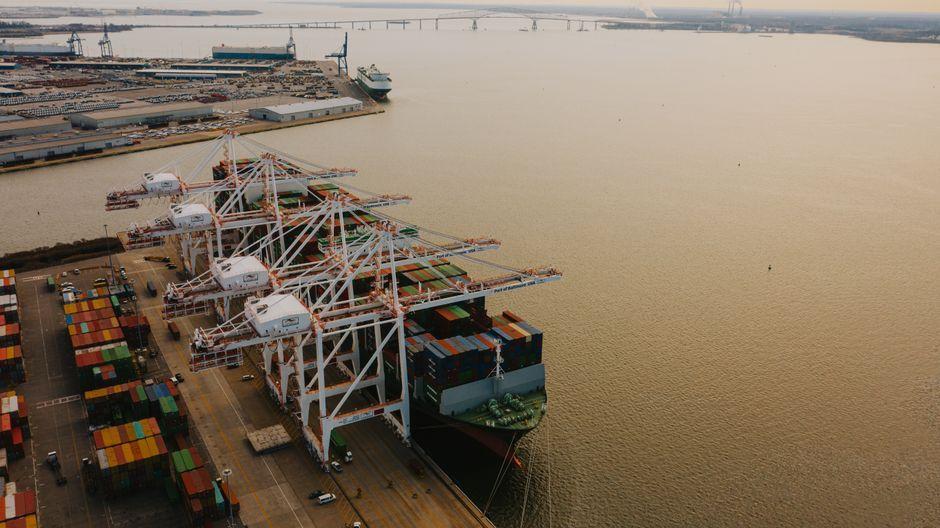
Stock photo for illustration only, not from the actual event
- White House report states over 40 countries helped China evade US tariffs
- Named nations include Canada, India, Mexico, Japan and South Korea
- Between $30bn and $300bn in goods were moved through third-party countries
- The issue adds friction ahead of Donald Trump and Xi Jinping's upcoming meeting
The White House released a report on Thursday claiming that more than 40 countries have assisted China in sidestepping American import tariffs by routing their exports through nations that face lower tariff rates imposed by the United States.
Among the countries explicitly named in the report are Canada, India, Mexico, Japan and South Korea. According to the White House, these nations have inadvertently or deliberately helped China evade tens of billions of dollars in tariffs, costing the US economy significantly in revenue and domestic jobs.
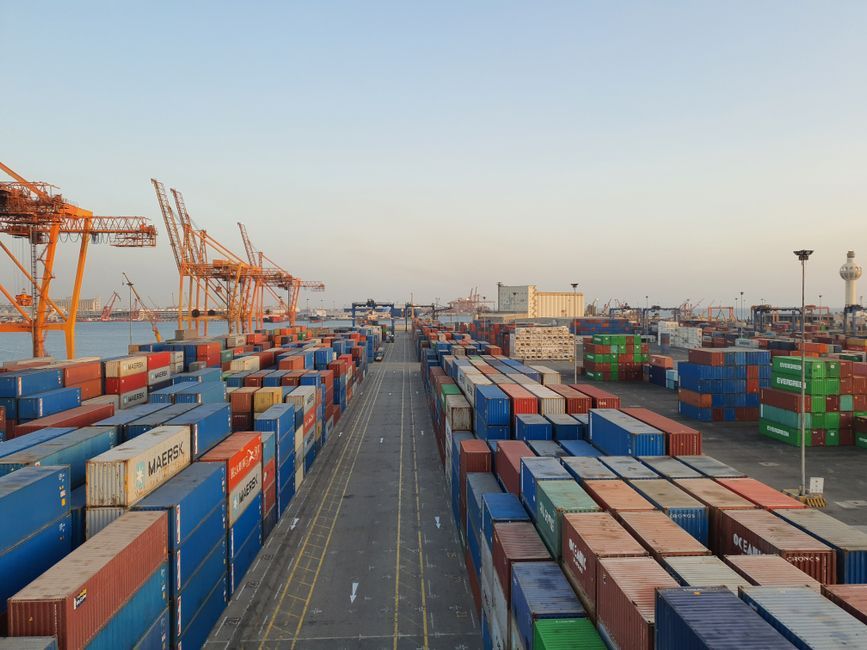
Stock photo for illustration only, not from the actual event
Government and private sector estimates cited within the White House report indicate that a staggering amount of goods—ranging between $30 billion and roughly $300 billion—have been shifted from countries facing higher tariff barriers through nations with lower rates. This logistical practice is known as transshipping, which involves transferring cargo through an intermediary country while on route to its final destination.
The US government accused China of taking advantage of this loophole by utilizing third countries as stopovers and repackaging goods to obscure their true country of origin in order to secure lower tariff rates. The report vividly described this sophisticated method as "fraud cloaked in paperwork" and noted that Washington has deployed artificial intelligence (AI) tools specifically designed to catch such transshipment efforts.
"American jobs and billions in revenue"
Peter Navarro
This newly published report is expected to intensify existing friction points between Washington and Beijing as President Donald Trump prepares to meet Chinese leader Xi Jinping in Washington. Despite a brief pause in most tariff actions following talks in May 2025, both economic superpowers have continued exchanging targeted sanctions, including US restrictions on humanoid robots and tighter Chinese controls on drone exports. Trump first unveiled sweeping levies in April 2025 to boost domestic manufacturing, and despite legal pushback from the US Supreme Court, the administration has consistently used alternative legal mechanisms to sustain its tariff agenda.
In response to the findings, the BBC has reached out to the US embassies representing Canada, India, Mexico, Japan, South Korea, and other prominent trading partners listed in the report to seek their official comments and perspectives on the matter.
Source: BBC Business
Found something wrong in this article? Report an issue with this article
Comments
Leave a Comment