

Organic-looking brake assemblies debut on new Czinger 21C Spyder
The hypercar maker reveals lightweight brake systems created using topological design and additive manufacturing.

Stock photo for illustration only, not from the actual event
- Czinger debuts a new brake system design on the 21C Spyder
- Utilizes topological design combined with additive manufacturing
- The innovation reduces weight and enhances hypercar performance
Czinger has turned heads by unveiling a futuristic, organic-looking brake system featuring natural, bone-like structures, debuting on their latest hypercar model, the 21C Spyder.
These brakes are more than just visually striking. The intricate, curved patterns are the result of topological design, a mathematical optimization process that determines the most efficient material distribution for maximum strength while minimizing weight.
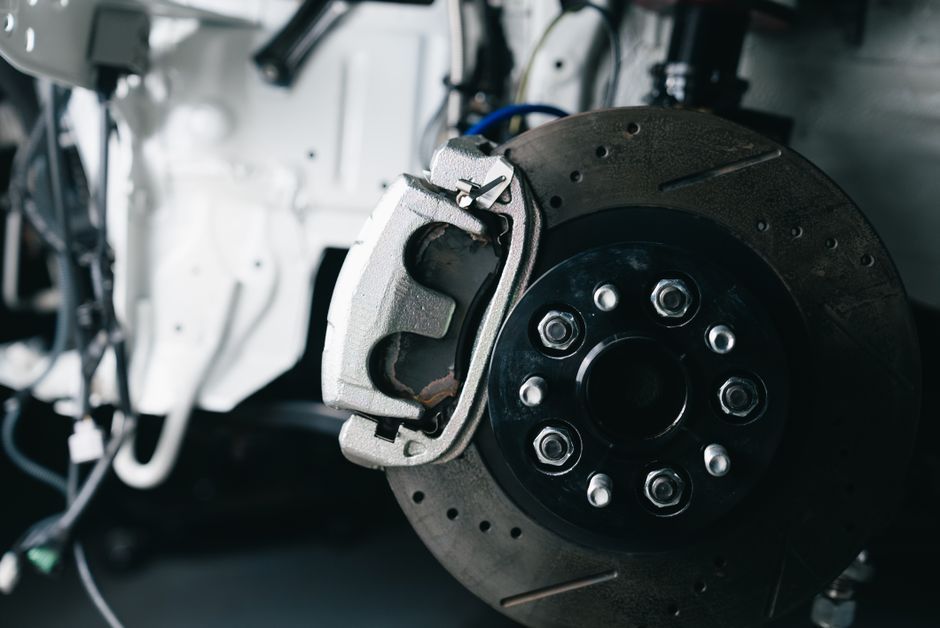
Stock photo for illustration only, not from the actual event
To bring this complex geometry to life, the company employed additive manufacturing, commonly known as 3D printing. This advanced fabrication method allows for the creation of intricate internal channels and organic shapes that traditional casting or machining simply cannot achieve.
The application of topological design paired with 3D printing in high-performance automotive manufacturing highlights the relentless pursuit of weight reduction in hypercars. Reducing unsprung mass, especially in components like brakes, significantly improves handling, agility, and overall vehicle dynamics.
Source: Ars Technica
Found something wrong in this article? Report an issue with this article
Comments
Leave a Comment