

From Casa Malaparte to Sheats-Goldstein: Iconic Modern Homes on Film
Exploring how legendary modernist architectural masterpieces transcended private living to become movie stars.

Stock photo for illustration only, not from the actual event
- Architectural masterpieces have achieved pop culture icon status through silver screen appearances.
- Renowned modernist designs are frequently cast to convey specific moods and character traits.
- Cinema breathes new life into buildings, cementing their historical legacy beyond architecture.
Certain houses achieve fame solely because of the visionary architects who drew their blueprints, while others secure a permanent place in memory because a film granted them a second life. Over the decades, a remarkable number of architect-designed residences have crossed over into mainstream popular culture, becoming completely inseparable from the cinematic narratives they helped support. Though they originate as private sanctuaries, once projected onto the big screen, these structures frequently assume entirely new identities of their own.
John Lautner's architectural creations continually find their way back to cinema because his designs always project something far deeper than mere visual aesthetics. The Chemosphere, perched dramatically on its single concrete column overlooking Hollywood, served as the mysterious hilltop lair in Brian De Palma's 1984 thriller Body Double, whereas the Garcia House made a quick cameo appearance in the 1989 film Lethal Weapon 2. These buildings exist comfortably in the liminal space between fantasy and reality, making them ideal settings for billionaires, reclusive figures, or characters hiding dark secrets.
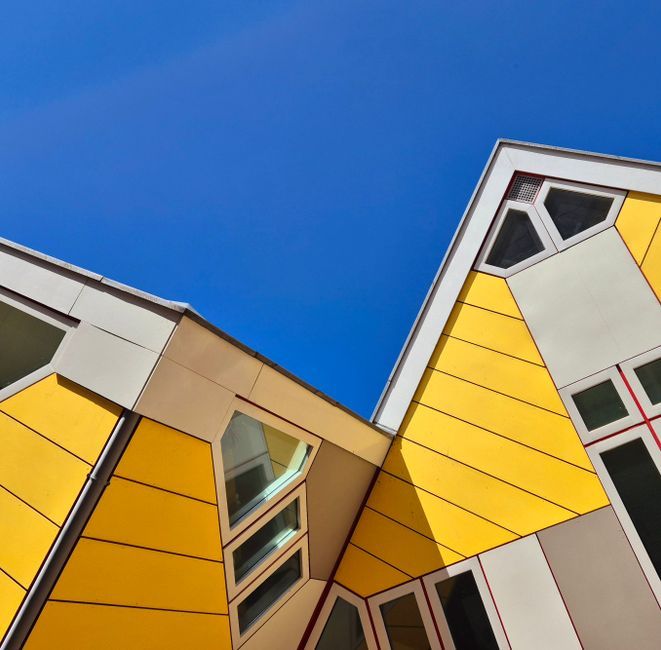
Stock photo for illustration only, not from the actual event
From an analytical standpoint, cinema operates as an extraordinary preservation tool and cultural catalyst for architecture. The inherent transparency and clean geometry of modernist homes make them natural visual shorthand for wealth, power, isolation, or moral corruption, allowing filmmakers to utilize physical structures as silent psychological extensions of the characters inhabiting them.
Some homes become so omnipresent on screen that they cease to belong exclusively to the realm of architecture. Pierre Koenig's Stahl House, originally built as Case Study House No. 22, has featured prominently in motion pictures such as Playing by Heart, Nurse Betty, and Galaxy Quest, eventually transforming into a universal visual symbol for Los Angeles itself. In a similar fashion, the A. James Speyer House situated outside Chicago entered the cultural lexicon after Ferris Bueller's Day Off crashed a Ferrari directly through its glass pavilion, producing one of the most iconic sequences in American film history.
"Like the best supporting actors, they never steal the scene, yet somehow the film would not feel the same without them."
Designboom Editorial
Edward Tuttle's Amanzoe resort located in Greece plays heavily with these same cinematic tropes in the 2022 feature Glass Onion, where it stands in as the extravagant private island compound belonging to a tech billionaire, utilizing monumental colonnades and reflective pools to mirror the immense wealth and performative lifestyle of its owner.
Source: designboom
Found something wrong in this article? Report an issue with this article
Comments
Leave a Comment