

Self-driving trucks officially begin testing on California highways
Aurora Innovation and Kodiak AI secure permits from the California DMV to test autonomous heavy-duty trucks on public roads in August 2026.

Stock photo for illustration only, not from the actual event
- Aurora Innovation and Kodiak AI receive testing permits from the California DMV
- Updated rules on April 28 lift the ban on heavy vehicles over 10,000 pounds
- Human safety operators are still required behind the wheel during tests
- Teamsters California files a lawsuit challenging the DMV over safety and economic concerns
The autonomous vehicle sector has reached a major milestone as California regulators grant official permits for companies to test self-driving trucks on public highways. Industry leaders Aurora Innovation and Kodiak AI have secured approval from the California Department of Motor Vehicles, with Kodiak already deploying its initial fleet of test vehicles near its Mountain View headquarters.
This regulatory shift follows updated guidelines approved by the California DMV on April 28, 2026. The revised framework successfully lifted a long-standing ban preventing driverless vehicles weighing over 10,000 pounds from operating on public roadways, establishing a clear pathway for companies to test and eventually deploy heavy-duty autonomous transport.
The opening of California highways for autonomous truck testing represents a strategic homecoming for developers like Aurora and Kodiak. Previously restricted by state laws, both companies had concentrated their operations in Texas. Expanding testing back to their home state allows them to gather crucial operational data in diverse environments, though it also brings them into direct friction with labor organizations.
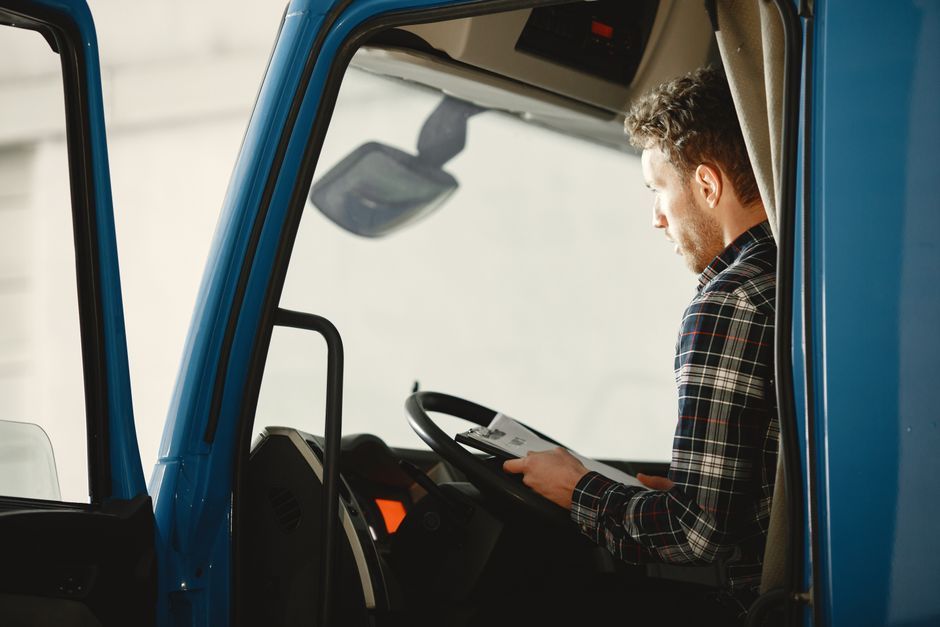
Stock photo for illustration only, not from the actual event
Despite gaining state approval, the permits come with strict operational boundaries established by the DMV. Companies must satisfy rigorous criteria covering safety protocols, insurance, vehicle registration, and safety driver qualifications. Key restrictions include:
- A human safety operator must remain seated behind the wheel at all times
- Testing is strictly prohibited on roads with a speed limit of 25 miles per hour or less, unless traveling on a direct route
- Operators must adhere to comprehensive state vehicle oversight standards
Even with these safeguards in place, the rollout faces substantial pushback from local labor groups. Last week, Teamsters California filed a lawsuit in the Alameda County Superior Court alleging that the DMV bypassed legal requirements to study and publicly disclose potential economic impacts, while failing to adequately address motorist safety risks.
For the developers, the updated rules facilitate testing closer to home after years of relying on out-of-state operations. Aurora previously launched a commercial autonomous truck route in Texas back in May 2025 connecting Dallas and Houston, later expanding to El Paso and Phoenix. Similarly, Kodiak initiated operations in West Texas before scaling up to public highway routes.
Source: TechCrunch
Found something wrong in this article? Report an issue with this article
Comments
Leave a Comment