

Afghan women say lives changed after five years of Taliban
Afghan women share how their lives drastically changed under Taliban rule since 2021, facing severe restrictions on education and employment.
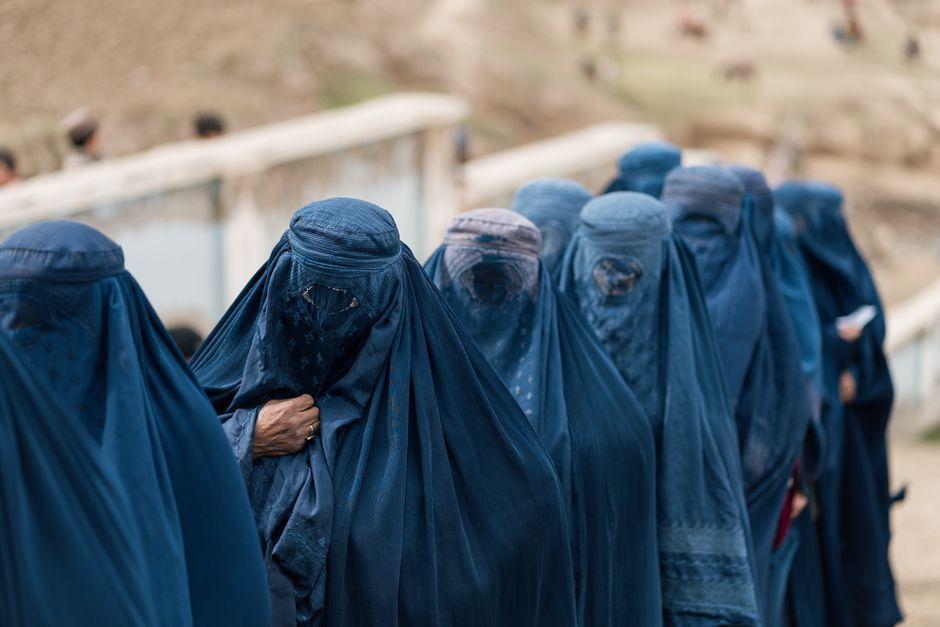
Stock photo for illustration only, not from the actual event
- Twenty-two million women in Afghanistan have faced escalating rights restrictions since the Taliban's 2021 return to power.
- Girls are officially banned from secondary and higher education, alongside travel limits and child marriage legal loopholes.
- The United Nations reports that only 7% of women are currently employed and 2.6 million girls are out of school.
- Public corporal punishments including floggings have been reinstated, leaving victims and families deeply traumatized.
Five years after the Taliban takeover in Afghanistan, women and girls across the country report that their lives have become completely unrecognizable. The hard-line Islamist group has steadily eroded the rights of the nation's 22 million women since regaining control in 2021, two decades after a US-led military coalition ousted them from power.
As one of the few media organizations maintaining access to Afghanistan, the BBC spoke with women spanning from the heart of Kabul to vast rural landscapes. Many interviewees withheld their real names out of deep fear of reprisals, as the regime's strict rules infiltrate almost every single aspect of their daily existence.
Ela, a resident of Kabul, explained that residents are so overwhelmed by poverty and daily hardships that many are forced to set aside their education, dreams, and future hopes, noting that sheer survival now takes absolute priority.
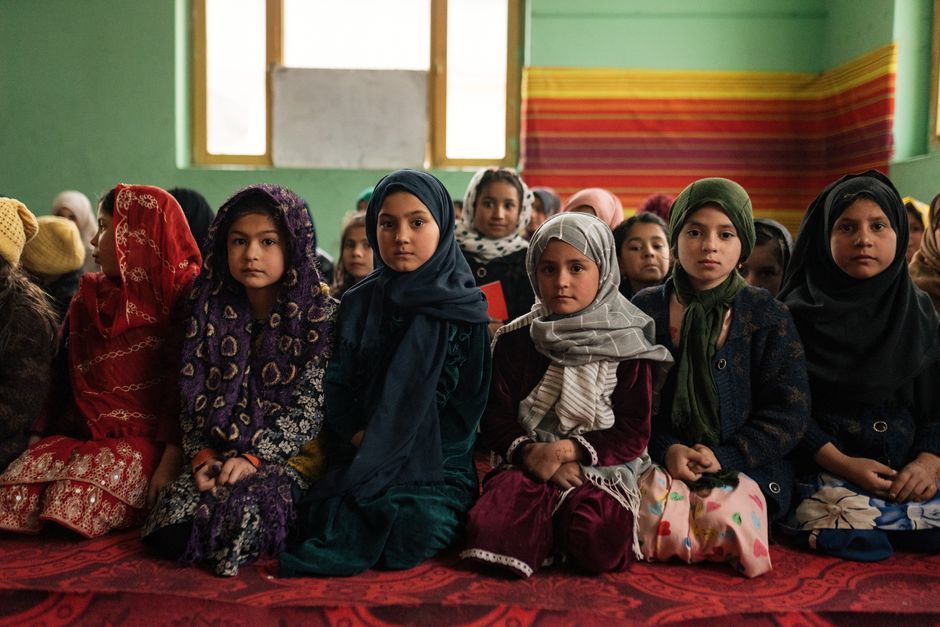
Stock photo for illustration only, not from the actual event
Afghanistan remains the sole country globally where girls are officially prohibited from secondary and higher education. Shakiba shared that August 15, the day the previous government fell, marked the most painful moment of her life. Although she successfully completed secondary school online through tremendous personal effort, her lifelong dream of becoming a pilot now feels entirely out of reach.
"August 15, when the government fell, was the worst and most painful day of my life. Every year when this date comes I feel as if an old wound opens again and a new feeling of defeat fills my heart."
When questioned about female education, Taliban Foreign Minister Amir Khan Muttaqi referenced a Unicef report indicating that approximately 2.6 million girls are unable to attend school past Grade 6. Muttaqi maintained that women are not completely restricted across all walks of life and that only a minor fraction of their affairs faces temporary limits until further notice.
Employment prospects have suffered a parallel collapse. United Nations data shows that only 7% of women in Afghanistan hold jobs following sweeping workplace bans across numerous sectors. Zuhal, a former news anchor forced out of her profession by successive decrees, described how waking up to an alarm and preparing for television broadcasts was replaced by spending entire days confined to her home.
The systemic rolling back of women's rights under Taliban administration has triggered deep humanitarian and economic crises. Excluding women from classrooms and professional environments starves the country of essential teachers, doctors, and specialists. This systemic exclusion correlates directly with soaring maternal mortality rates, as regulations forbidding treatment by male doctors leave countless women without emergency healthcare access.
The regime has also revived public corporal punishments, with official records logging hundreds of floggings since 2021, though true figures are widely believed to be much higher. Shaima recounted to the BBC being whipped 50 times in front of an assembled crowd of roughly 200 local males, leaving her body scarred and her entire family deeply traumatized.
Healthcare access presents another grave peril, with Afghanistan registering one of the highest maternal mortality rates worldwide. Midwife Marzia recounted watching a 45-year-old mother of six pass away in front of her after making the arduous journey to a clinic from a remote district, highlighting the severe toll of restricted medical access.
Source: BBC World
Found something wrong in this article? Report an issue with this article
Comments
Leave a Comment