

Carrier Pidge: iOS Chat App Uses Virtual Pigeons for Slow Messaging
Carrier Pidge by Noah Ayerrobino delivers messages via virtual pigeons based on GPS distance, featuring a 0.2 percent chance of message-destroying bird death.

Stock photo for illustration only, not from the actual event
- Carrier Pidge is an iOS chat app that sends messages via virtual pigeons based on real GPS distance.
- Messages take longer over greater distances, such as 22 hours from Los Angeles to New York.
- Virtual pigeons carry a 0.2 percent risk of getting lost and dying mid-flight, permanently deleting the message.
- Developed by Noah Ayerrobino over three weeks and launched in April 2026.
An iOS messaging application named Carrier Pidge is making waves across social media platforms with a concept that intentionally defies the mechanics of standard communication tools. Instead of instantly delivering texts to recipients, Carrier Pidge simulates virtual carrier pigeons tasked with flying the messages across distances. The application calculates travel duration using real GPS coordinates between the sender and receiver, meaning the further away the recipient is, the longer the sender must wait for a reply.
In terms of velocity, these virtual pigeons fly at a baseline speed of 110 miles per hour, equivalent to roughly 177 kilometers per hour. Consequently, messaging someone in the same city takes only a few seconds, while dispatching a note across the United States requires several hours. According to the developer, the route from Los Angeles to New York takes approximately 22 hours, whereas reaching someone on the opposite side of the globe can span multiple days.
A uniquely stressful element of the application is that each virtual pigeon carries roughly a 0.2 percent probability of getting lost and perishing during transit. When this happens, the message is permanently destroyed, forcing the sender to draft and start over from scratch. While waiting for delivery, senders can monitor the real-time location of their flying pigeon on an interactive map throughout the entire journey.
The application was created by Noah Ayerrobino, who spent about three weeks building the software and openly admits that the app was meant to be completely silly. He noted in a Reddit post that the application serves no practical utility whatsoever, explaining that he simply had to bring the idea to life to get it out of his head.
"It's a chat app slower than email, and sometimes the birds die and your message doesn't arrive."
Noah Ayerrobino
Ayerrobino later shared an update on X on August 12, 2026, stating that he spent three weeks building a messaging platform slower than email where birds occasionally perish and prevent messages from reaching their destination. This milestone update helped propel the application back into viral prominence.
The philosophy of incorporating intentional friction into software design represents a growing creative trend within the modern technology landscape. By artificially introducing physical constraints like geographical distance or virtual hazards, developers engage users who seek novelty and a break from hyper-speed digital environments, even if the resulting tools lack standard business utility.
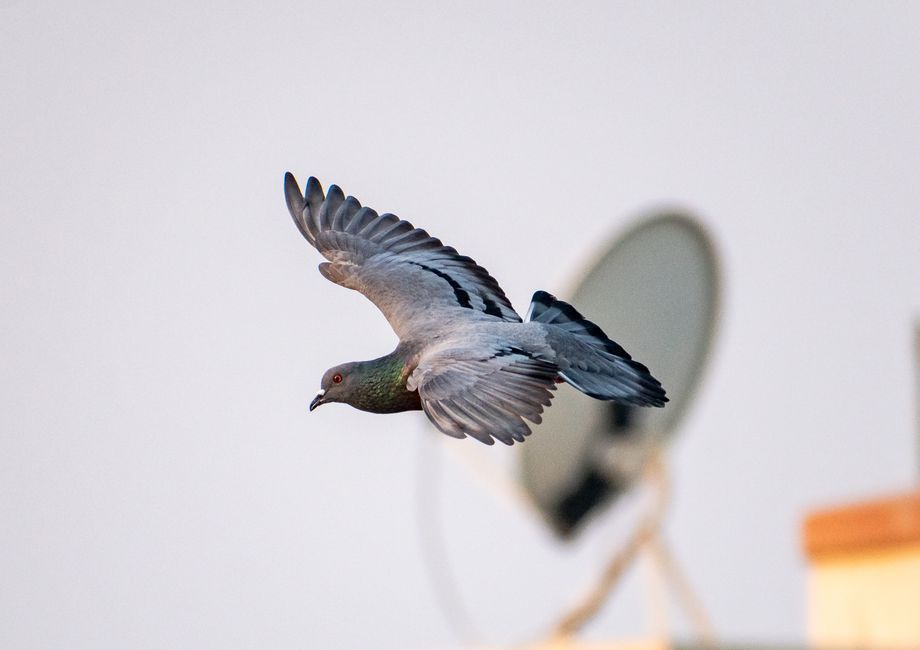
Stock photo for illustration only, not from the actual event
The conceptual framework of Carrier Pidge bears a striking resemblance to another application called Roost, which similarly utilizes virtual birds for messaging and launched around April 2026, sparking questions regarding potential duplication. Ayerrobino confirmed that after conversing with the creator of Roost, he discovered both developers arrived at the nearly identical concept entirely by coincidence.
Source: Thairath Lifestyle
Found something wrong in this article? Report an issue with this article
Comments
Leave a Comment