

Eleven killed in Israeli strikes on southern Lebanon
Israeli strikes in southern Lebanon kill 11 people including children and women following a ceasefire framework, as Hezbollah confirms commander death.
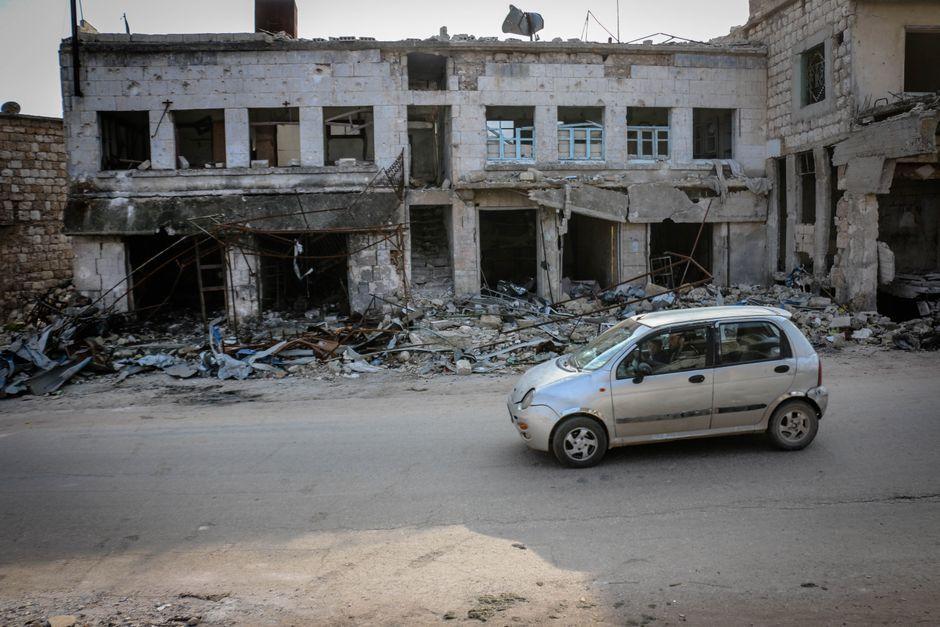
Stock photo for illustration only, not from the actual event
- Israeli airstrikes in southern Lebanon result in 11 deaths in one of the deadliest single days.
- Casualties in Ansar include three children and two women sheltering among displaced families.
- The Israel Defense Forces state the operation targeted a Hezbollah Radwan Force battalion commander.
- Tensions persist despite a June ceasefire framework aimed at reducing hostilities in the region.
The security situation in the Middle East has escalated sharply after Lebanese authorities reported that at least 11 people were killed in a series of Israeli airstrikes across the southern part of the country. This marked one of the deadliest days of attacks since a framework agreement aimed at reducing hostilities was announced last June, casting doubts on ongoing regional stabilization efforts.
The Prime Minister of Lebanon stated that seven individuals lost their lives when a residential building on the outskirts of Ansar was struck. The location lies approximately 70 kilometers, or 43 miles, south of the capital city of Beirut. State media reports confirmed that three children and two women were among the deceased, residing in an area where displaced families had sought shelter around 04:30 local time, corresponding to 01:30 GMT.
Later on Saturday, the Lebanese Ministry of Health announced that another round of strikes hit the town of Deir al-Zahrani, resulting in four deaths and leaving five others wounded. Social media footage captured thick plumes of smoke drifting through village streets as emergency sirens echoed across the area.
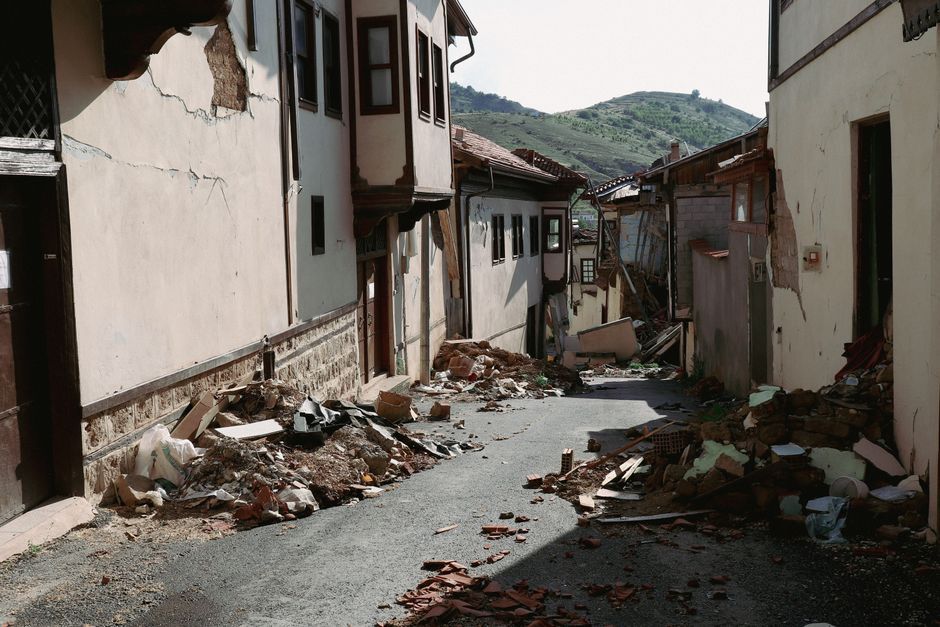
Stock photo for illustration only, not from the actual event
In response, the Israel Defense Forces (IDF) released a statement explaining that the operation was prompted by incidents at the Ali al-Taher Ridge. This strategic high ground overlooks much of south-eastern Lebanon and has served as a fiercely contested frontline position. The IDF confirmed the death of Ali Samir al-Haj Hassan, whom they identified as a Hezbollah battalion commander within the Radwan Force unit.
"The strike was specifically directed at Hassan, who was a lawful target under international law, not at his family members who he used as human shields."
Israel Defense Forces (IDF)
The Israeli military added that several other operatives involved in advancing attacks against IDF soldiers were eliminated alongside him, noting that Hassan was hiding inside a military headquarters with his family. The wider conflict ignited on March 2 when Hezbollah launched rockets into Israel in retaliation for a strike that killed Iran's supreme leader, drawing Lebanon into the war alongside Israel, the US, and Iran.
The June ceasefire framework envisions Hezbollah disarming, gradual Israeli withdrawal from southern Lebanon, and the deployment of the Lebanese army. However, because Hezbollah was excluded from the agreement and rejects direct negotiations, intermittent strikes and infrastructure demolitions continue to challenge the fragile diplomatic truce.
Although negotiators from Lebanon and Israel are scheduled to meet for an eighth round of talks in September, the latest wave of violence underscores the severe challenges remaining in achieving a lasting cessation of hostilities in the border region.
Source: BBC World
Found something wrong in this article? Report an issue with this article
Comments
Leave a Comment