

Powerful 7.7 Magnitude Earthquake Hits Indonesia, 47 Dead
Rescue teams in Indonesia search for survivors after a 7.7 magnitude earthquake struck Flores island on Saturday, leaving at least 47 dead and hundreds of buildings damaged.
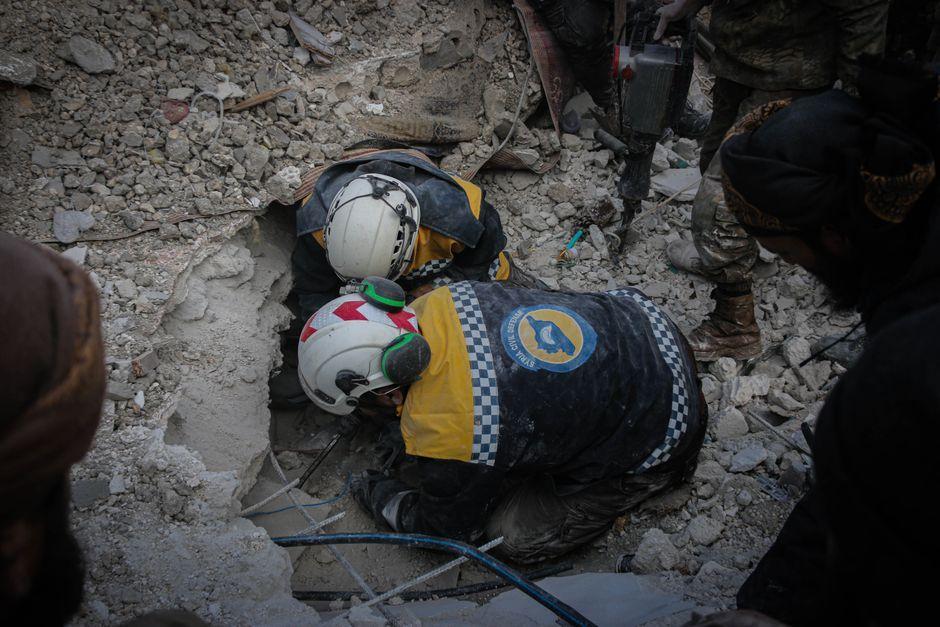
Stock photo for illustration only, not from the actual event
- A magnitude 7.7 earthquake struck Flores island in Indonesia on Saturday.
- Initial reports confirm at least 47 fatalities and multiple injuries.
- Over 150 houses and numerous public facilities suffered severe damage.
- Tsunami warnings were temporarily issued before being lifted hours later.
Rescue teams in Indonesia have been intensively searching for survivors following a major earthquake that struck on Saturday, leaving at least 47 people dead. According to Indonesia's meteorology and geophysics agency, the magnitude 7.7 quake hit the island of Flores shortly before 05:00 local time (22:00 GMT on Friday) with a depth of 15 kilometers.
Preliminary reports indicate that hundreds of buildings have suffered severe damage due to the main tremor and dozens of subsequent aftershocks. However, the full scale of the disaster remains unclear as the region is remote and mountainous. The occurrence of a second 6.9 magnitude earthquake at the opposite end of Indonesia served as a stark reminder of why the area is designated as the Ring of Fire.
The National Disaster Management Agency (BNPB) reported that tremors were felt as far west as Bima Regency and City, with Manggarai province registering the most severe impact. Initial data recorded 24 fatalities in Manggarai, 17 in East Manggarai, three in Sikka, and at least one in each of Ngada, Ende, and West Manggarai provinces, alongside two serious injuries and 11 minor injuries.
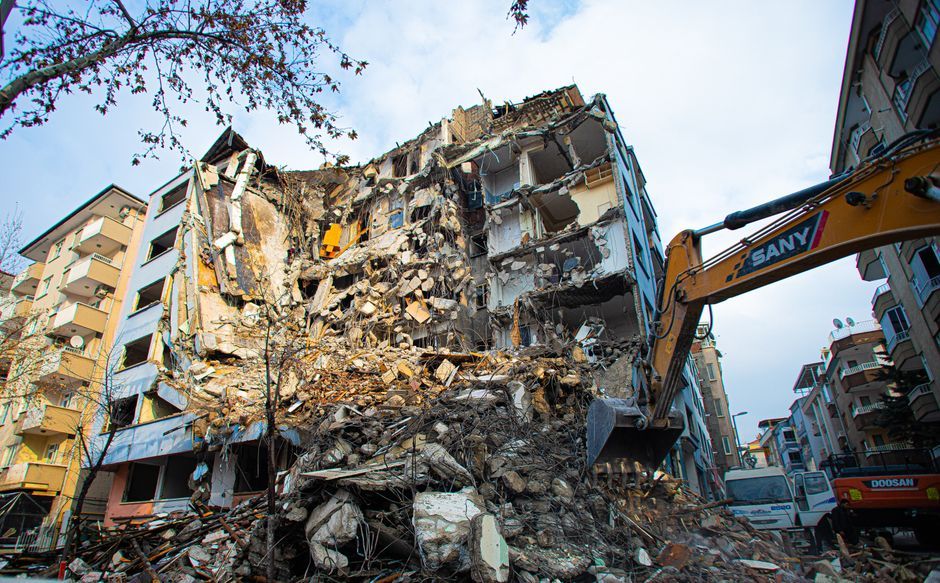
Stock photo for illustration only, not from the actual event
BNPB stated that disaster relief is being dispatched to affected regions, with 10,500 packages already arriving at the base operations. Beyond the 150 heavily damaged houses, destruction extends to numerous educational institutions, healthcare facilities, places of worship, and administrative offices.
"They were killed in their sleep by collapsing rubble."
Emanuel Melkiades Laka Lena, Governor of East Nusa Tenggara
Arnold Welianto, a resident from the coastal village of Talibura in Sikka, recounted being shaken from his bed and noting that many residents had already fled to the hills after the sea receded. A temporary tsunami warning prompted approximately 2,000 individuals to self-evacuate before officials lifted the alert about three hours later when no significant sea level changes were detected.
Indonesia's high seismic vulnerability stems from its location along the convergence of three major tectonic plates—the Pacific, Eurasian, and Indo-Australian plates. This active boundary, known as the Ring of Fire, frequently generates powerful shallow earthquakes that trigger destructive aftershocks and complicate rescue operations in remote, mountainous terrain.
Landslides have obstructed access to several villages, yet experienced rescue crews continue working tirelessly throughout the day to free trapped victims. In Ruteng, a makeshift medical tent was established outside a hospital to treat the injured, while BNPB urges citizens to remain calm and steer clear of compromised structures and coastal zones.
Source: BBC World
Found something wrong in this article? Report an issue with this article
Comments
Leave a Comment