

HYROX Risks: Heart Attack and Injury Dangers Fitness Fans Must Know
Explore the hidden health risks of HYROX competitions, including heart failure and hyperthermia, along with crucial danger signs not to ignore.

Stock photo for illustration only, not from the actual event
- HYROX combines an 8km run with 8 functional fitness stations
- High intensity risks heart failure, rhabdomyolysis, and hyperthermia
- Adrenaline and crowd cheers often push athletes past safe limits
- Recognizing critical warning signs and stopping early is essential
The rising global popularity of HYROX competitions has turned the fitness world's attention toward this extreme test of endurance, which blends an 8-kilometer run with 8 functional fitness stations. Although marketed as an accessible challenge for fitness enthusiasts of all levels, it is actually a severe test of physical limits that demands immense muscular strength and cardiovascular endurance.
As participation numbers surge rapidly, many competitors fail to properly prepare their bodies, leading to unexpected emergencies. The core hazards stem from sustained high-intensity exertion that forces the heart into the Red Zone for prolonged periods, triggering risks of acute heart failure, rhabdomyolysis, and severe cramps leading to fainting. Notably, a competitor collapsed and required emergency CPR during a race held in Thailand in mid-August 2026.
The psychological pressures in high-stakes endurance races often amplify physical risks. Stadium atmospheres, loud music, and roaring crowds trigger massive adrenaline releases, compelling athletes to chase the pace of others while completely ignoring vital warning signals sent by their own bodies.
A tragic incident occurred in late May 2026 in Lyon, France, where a 28-year-old female athlete collapsed and died following a race, with international reports linking the tragedy to hyperthermia amid scorching weather conditions. Furthermore, hygiene concerns have sparked complaints among participants, with many noting that shared equipment such as sandbags carried damp, unpleasant odors from heavy use, resulting in severe skin irritation.
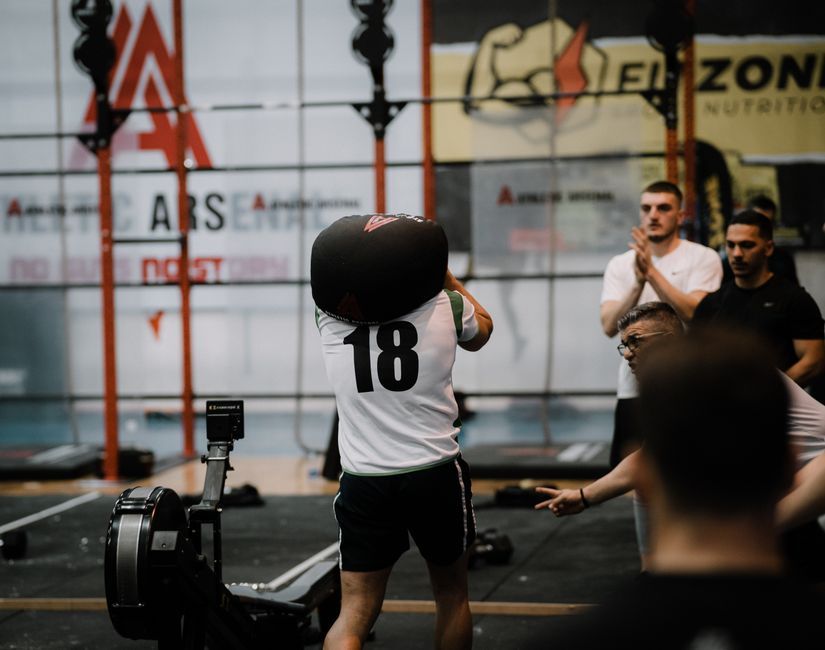
Stock photo for illustration only, not from the actual event
Throughout the competition, the body consistently transmits warning signals. Athletes must learn to distinguish normal exhaustion from dangerous symptoms requiring immediate cessation:
- Normal fatigue: Breathlessness with controlled breathing rhythm, regular muscle soreness, flushed skin with heavy sweating, and elevated heart rate matching exertion.
- Danger signs: Severe gasping resembling oxygen deprivation, debilitating muscle cramps, pale skin with bluish lips, dizziness or near-fainting, sharp chest pain radiating to the arm, or irregular heartbeat.
Safety guidelines recommended by fitness experts for prospective competitors include:
- Evaluating baseline health and consulting a physician regarding any underlying heart or lung conditions.
- Never forcing the body past limits; stopping or pulling out (DNF) immediately upon experiencing dizziness, breathlessness, or chest pain.
- Planning hydration carefully based on thirst rather than overdrinking out of fear of dehydration.
- Monitoring fellow participants closely and never encouraging anyone showing abnormal symptoms to keep pushing forward.
Source: Thairath Lifestyle
Found something wrong in this article? Report an issue with this article
Comments
Leave a Comment