

I Built a Broken Music Tool: When Bugs Become Features
A developer shares how a timing bug in a custom music tool accidentally created a more natural and creative rhythm generator.

Stock photo for illustration only, not from the actual event
- A timing bug made a generated music rhythm more musically interesting.
- Over-correcting input data made the musical draft feel flat and lifeless.
- Creative tools should prioritize human decisions over strict technical precision.
A software developer recently shared an insightful experience regarding a web-based music tool they built. The project started as a rough workflow designed to let computers assist with draft rhythms, reducing friction at the beginning of a creative session. The system combined automated clicks, taps, and generated ideas intended for human refinement.
During testing, a minor bug slipped through that was small enough to almost ignore. The beat estimate landed slightly behind schedule, and a generated musical phrase arrived with an unintended lazy swing. While technically suspicious, the output sounded less boring than the mathematically correct version, proving that creative errors can sometimes outshine strict specifications.
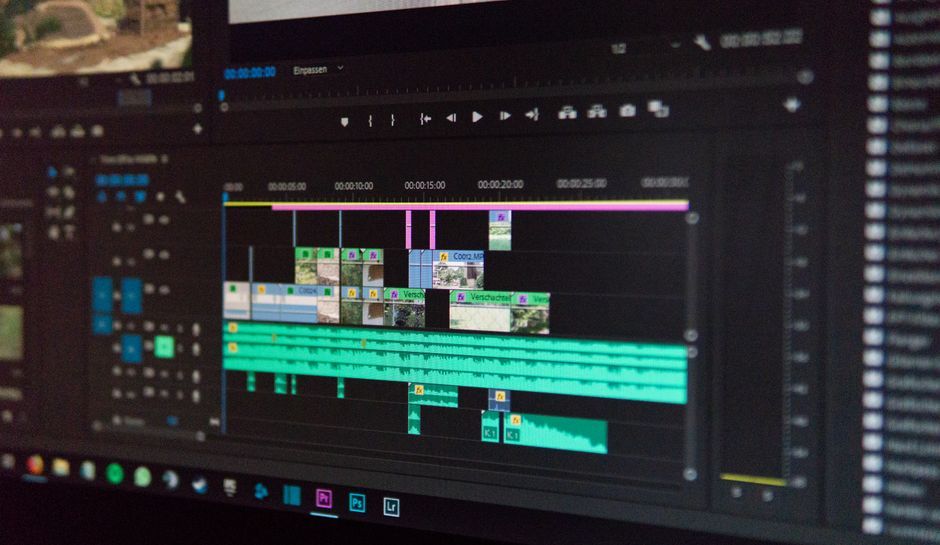
Stock photo for illustration only, not from the actual event
The initial developer instinct was standard: identify the bad assumption and remove it. The tool originally expected tap inputs to act like clean clock signals. However, human drummers and creators do not tap with robotic precision; they hesitate, anticipate, and adjust mid-pattern. A naive tool translates this organic human behavior into pure noise.
"Sometimes the mistake is more interesting than the spec."
Software Developer
When the code was patched to clean up the input, the numbers settled faster and the tempo estimates looked cleaner on paper. Unfortunately, the musical draft became completely flat. It stopped reacting to how humans actually tap and started behaving like a rigid database form that happened to accept rhythm data.
Context Analysis: In product design and software engineering, reducing variance is usually the primary goal to ensure reliability and accuracy. However, in creative software applications, human variance—such as micro-timing shifts and velocity changes—is precisely what injects soul and identity into art. Balancing strict algorithmic automation with human imperfection remains one of the toughest challenges in modern tool design.
This realization shifted the entire product philosophy. Instead of asking how to make tap inputs perfectly sterile, the developer began asking which parts of the human mess deserved to survive. The goal transitioned from achieving laboratory-level BPM accuracy to capturing the pulse before a fleeting creative idea disappears.
Source: Dev.to
Found something wrong in this article? Report an issue with this article
Comments
Leave a Comment