

Thailand implements new checked baggage screening rules for Oct 16
The Tourism Authority of Thailand advises air travelers on revised checked baggage screening procedures issued by CAAT, effective October 16, 2026.
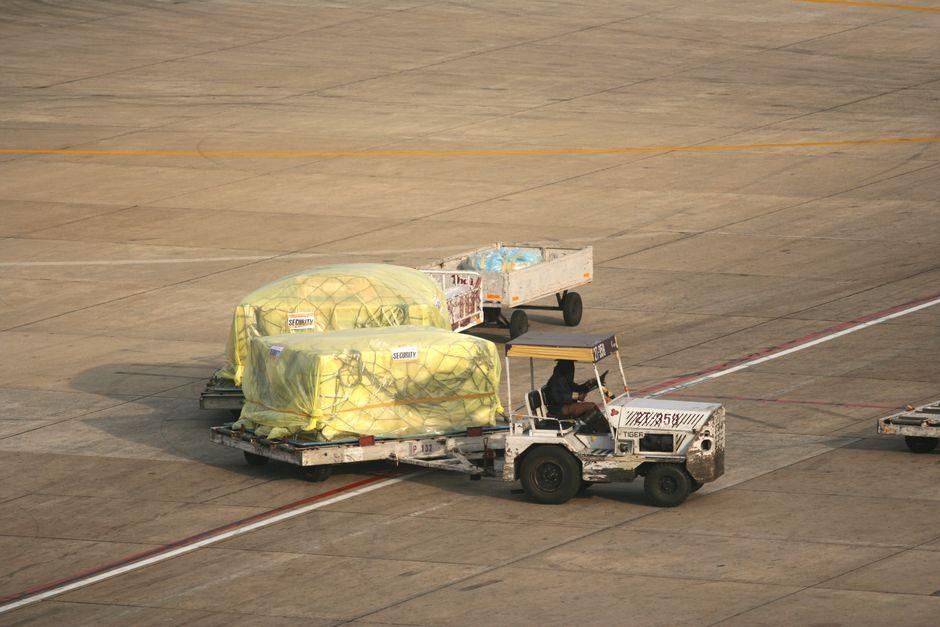
Stock photo for illustration only, not from the actual event
- CAAT announces revised security screening measures for checked baggage at Thai airports.
- Screening officers may open suspicious bags for inspection without the owner present.
- All required bag openings will be video-recorded for review and auditing purposes.
- The new procedures officially take effect on October 16, 2026.
The Tourism Authority of Thailand has issued an advisory for passengers departing from airports across Thailand with checked baggage on or after October 16, 2026, urging them to check the latest updates from airlines and aviation authorities regarding prohibited items and baggage requirements.
The Civil Aviation Authority of Thailand has introduced revised procedures aimed at strengthening aviation security and enhancing the overall efficiency of checked baggage screening for items carried in the aircraft hold. Current procedures will remain fully active until the new rules take effect.
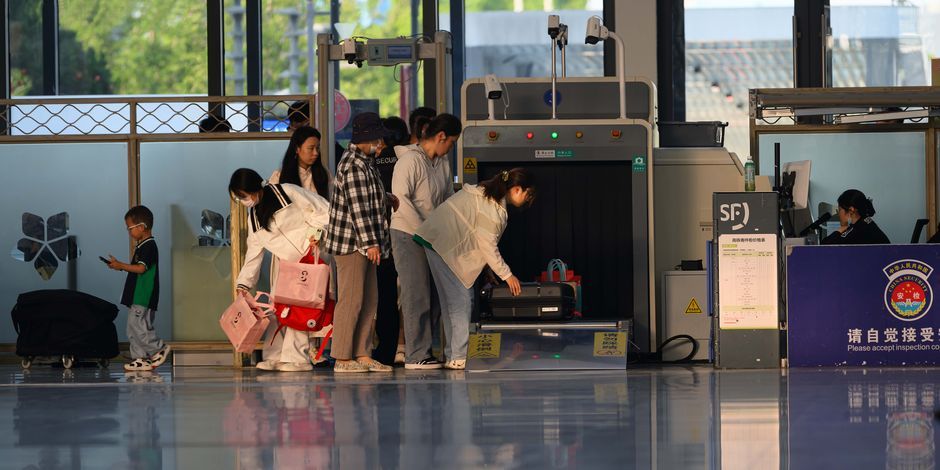
Stock photo for illustration only, not from the actual event
Under these updated guidelines, checked baggage may be opened for inspection without the owner being present if screening personnel identify items deemed suspicious, prohibited, or potentially harmful to flight safety. CAAT has firmly emphasized that checked bags will not be opened routinely without specific cause.
Allowing security personnel to inspect bags without the passenger present is a standard protocol adopted by major international aviation hubs to prevent flight delays caused by paging missing passengers, aligning Thailand's airport security with global best practices.
Whenever an inspection is deemed necessary, the luggage will be opened inside a designated area under strictly controlled conditions. The entire inspection process will be video-recorded, with records safely retained for future review, and passengers will be officially notified afterward if their bag underwent this inspection.
CAAT notes that comparable procedures are already implemented in numerous nations worldwide, including Singapore, Japan, South Korea, the United States, as well as parts of the Middle East and Europe. These protocols empower security staff to resolve screening alerts promptly without needing to locate passengers to unlock their luggage.
To facilitate inspections when required, CAAT recommends passengers utilize internationally recognized locks, such as TSA-compatible padlocks. Travelers are also reminded to verify prohibited items prior to departure and advised against placing valuables, fragile goods, important documents, or essential personal belongings inside their checked luggage.
Passengers with onward international connections should also review transit and destination airport requirements, as regulations vary by country. Individuals experiencing issues or damage resulting from inspections can contact their airline directly or file a formal complaint via complaint.caat.or.th.
Source: TAT Newsroom
Found something wrong in this article? Report an issue with this article
Comments
Leave a Comment