

The Experimental Paint Archive: Reusable Biomaterial Paints
Sophia Collender introduces The Experimental Paint Archive, a non-toxic and biodegradable fine art material collection inspired by historical recipes.

Stock photo for illustration only, not from the actual event
- Sophia Collender launched The Experimental Paint Archive for fine art.
- The collection features biodegradable, non-toxic, and reusable materials.
- It minimizes financial, physical, and environmental risks in art-making.
- The project adapts historical formulas, biomaterials, and conductive elements.
The Experimental Paint Archive by Sophia Collender serves as a publicly accessible and open source collection consisting of biodegradable, non-toxic, and reusable fine art materials. The historical evolution of paint is deeply intertwined with continuous material experimentation, where individuals historically accepted considerable financial, physical, and environmental risks simply to achieve specific visual aesthetic effects.
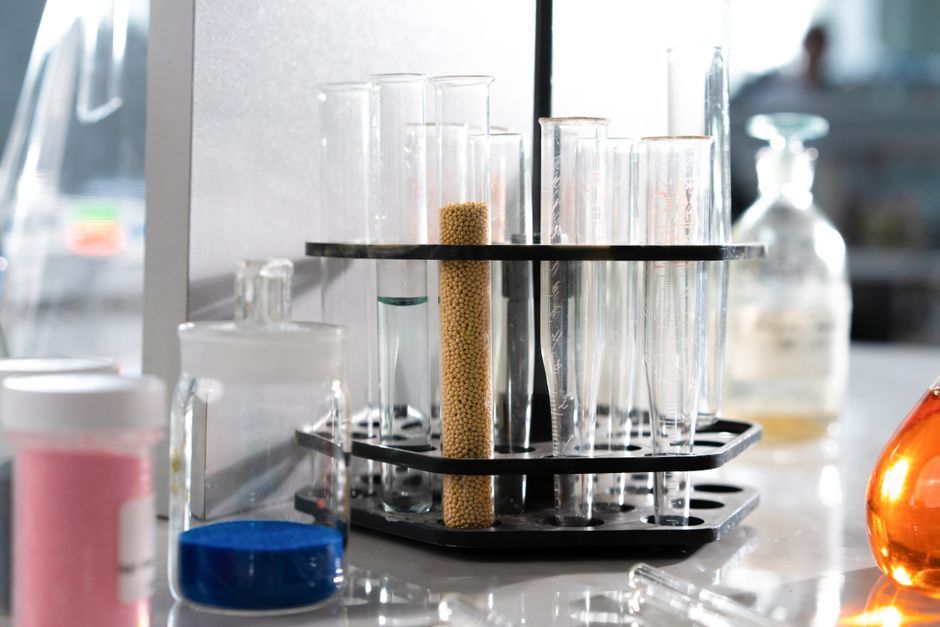
Stock photo for illustration only, not from the actual event
This creative project by artist Sophia Collender documents various techniques designed to minimize inherent hazards when producing fine art materials entirely from scratch, while continually iterating upon the conventional formula of pigment combined with a binder and a liquid vehicle. The development stemmed directly from refining historical paint recipes, biomaterials recipes, and preexisting precedents utilizing conductive and magnetic materials.
Revisiting traditional paint recipes through modern open-source biomaterials highlights a crucial shift toward ecological sustainability in contemporary art practices. By shifting away from toxic heavy metal pigments and hazardous solvents toward earth-based and reusable components, artists can significantly reduce their studio's environmental footprint while fostering collaborative material research.
The majority of experimental results were accomplished by blending materials manually inside the ITP biomaterials lab, alongside cooking and mixing components at home directly within the kitchen workspace.
Source: designboom
Found something wrong in this article? Report an issue with this article
Comments
Leave a Comment