

Tupac murder trial begins with opening statements in Las Vegas
The murder trial of Tupac Shakur opens in Las Vegas as prosecutors accuse Duane 'Keefe D' Davis of orchestrating the 1996 shooting, while defense questions evidence.
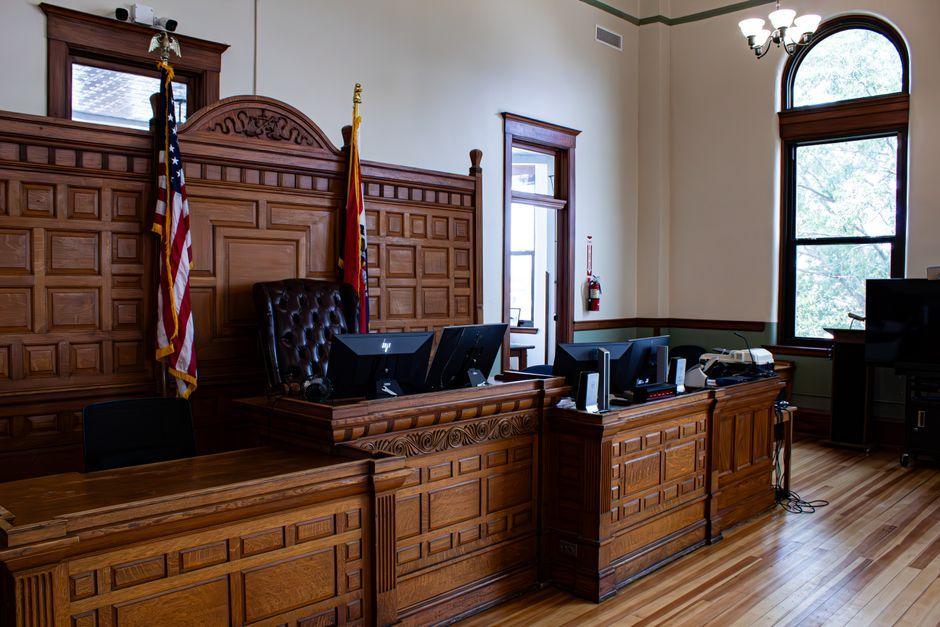
Stock photo for illustration only, not from the actual event
- Duane 'Keefe D' Davis, 63, is on trial for orchestrating Tupac Shakur's 1996 murder.
- Prosecutors point to Davis's 2019 memoir and interviews where he detailed the shooting night.
- Defense attorneys argue the nearly 30-year-old case relies on unreliable evidence and witnesses.
The murder trial surrounding the tragic death of iconic rapper Tupac Shakur has officially begun in Las Vegas, taking a jury back nearly three decades to the violent height of 1990s hip-hop rivalries and street gang conflicts that left one of music's biggest cold cases unresolved for years.
Duane 'Keefe D' Davis, 63, faces a murder charge connected to the fatal shooting. While prosecutors acknowledge he did not pull the trigger, they allege he acted as the ringleader who planned the attack. The legendary rapper was just 25 years old when he was gunned down on September 7, 1996, following a Mike Tyson boxing match, passing away six days later. Davis has pleaded not guilty.

Stock photo for illustration only, not from the actual event
During opening arguments, prosecutors argued that Davis sought retaliation after his nephew, Orlando Anderson, got into a physical altercation with Shakur earlier that night. According to the state, Davis acquired a weapon, organized two vehicles, and gave the gun to his nephew, who allegedly fired into the rapper's vehicle. Prosecutors heavily rely on statements Davis made in a 2019 memoir and media interviews regarding his presence in the car that night.
"What facts do they have after 30 years?"
This landmark trial revives a case deeply rooted in the East Coast versus West Coast rap rivalries and the fierce turf wars between the Bloods and Crips street gangs. Decades of uncooperative witnesses and mistrust in law enforcement initially stalled the investigation, but public admissions made years later by the defendant ultimately propelled the cold case back into a courtroom setting.
Meanwhile, defense attorneys argued that Davis's memoir was fictional and should not serve as valid evidence in a criminal proceeding. They criticized the investigation as sloppy, pointing to missing police reports and arguing that state witnesses changed their stories over time due to financial motivations, media attention, or police suggestion.
The high-profile trial is expected to continue over the coming weeks, featuring testimony from investigators, experts, and eyewitnesses to determine what truly happened on that fateful night in Las Vegas.
Source: BBC World
Found something wrong in this article? Report an issue with this article
Comments
Leave a Comment