

Theban tomb reveals evolution of Egyptian burial trends
Archaeological findings in an ancient Egyptian Theban tomb show a shift from individual coffin burials to the reuse of sites for later mummy interments.

Stock photo for illustration only, not from the actual event
- Archaeological findings reveal shifts in ancient burial customs
- Theban tombs demonstrate changes in site usage over time
- Practices evolved from single coffin burials to tomb reuse
- Reusing burial sites reflects the progression of mummification
Recent archaeological investigations within ancient burial grounds in Thebes, Egypt, have unveiled crucial insights into how regional death-care practices transformed over the course of history, shedding light on the evolving traditions of ancient Egyptian society.
Data indicates that during earlier periods, mortuary customs primarily focused on interring individual persons inside dedicated coffins, ensuring a private and distinct resting place for each deceased member of the community.
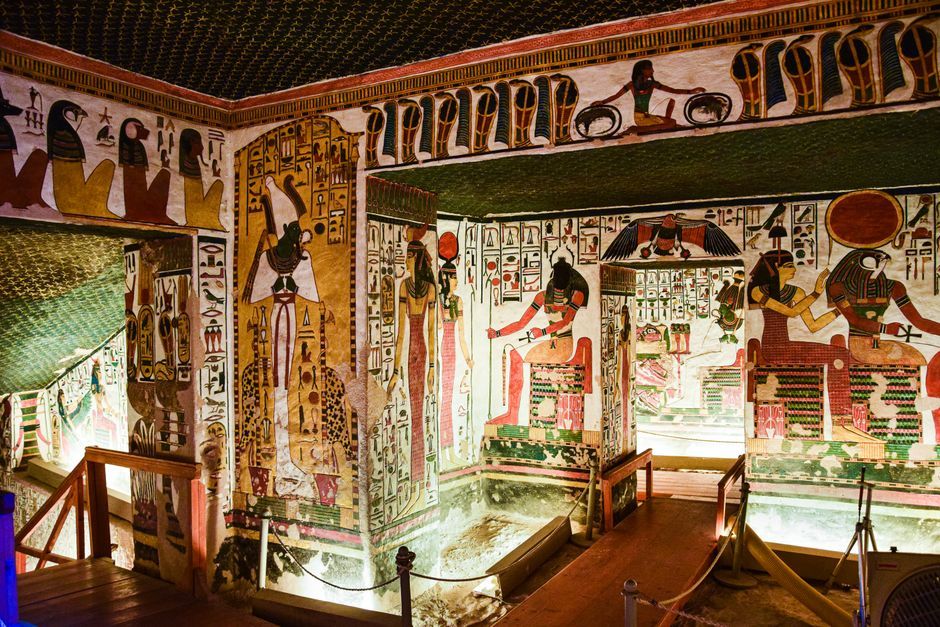
Stock photo for illustration only, not from the actual event
However, as time progressed, these burial trends shifted significantly. Communities began reusing the same ancient tomb sites repeatedly, accommodating subsequent mummy interments within existing structures as social dynamics and spatial constraints developed.
The historical reuse of tombs in ancient Egypt often mirrors broader socioeconomic shifts, resource limitations, or changes in dynastic leadership. Analyzing these architectural and ritual adaptations allows historians to trace how ancient populations pragmatically managed sacred spaces over generations.
Source: Ars Technica
Found something wrong in this article? Report an issue with this article
Comments
Leave a Comment