

Cenit Lighting Combines Cultivated Cellulose and Layered Ash
Polybion and Natural Urbano partner for the first time to create horizon-inspired lamps using bio-materials.
Stock photo for illustration only, not from the actual event
- Cenit marks the first collaboration between Polybion and Natural Urbano.
- The lamps feature layered natural ash frames and translucent Celium™ Manto shades.
- The collection translates a horizon into light through pendant and table formats.
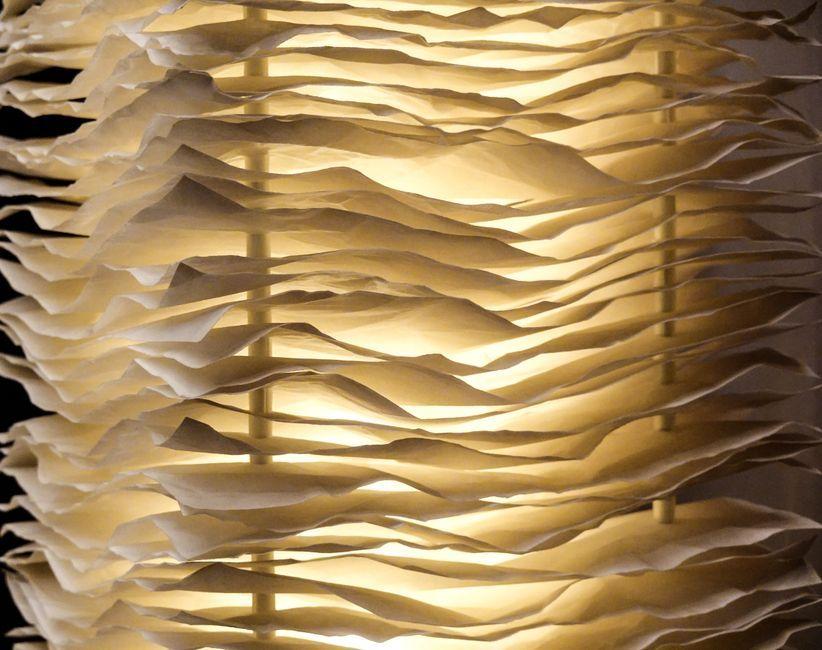
Cenit represents the inaugural partnership between biotechnology firm Polybion and design studio Natural Urbano, blending wood, stainless steel, and Celium™ Manto into a singular lighting fixture. The design explores the intricate relationship connecting cultivated materials, illumination, and interior aesthetics.
The structural spine of the lamp is formed using thin sheets of natural ash that are pressed and fastened together with nails. The Celium™ Manto shade is carefully positioned between four ash layers on each side, totaling eight layers, and secured through the same assembly method. This configuration supports the translucent cultivated cellulose while keeping its distinct material qualities visible across the filtering surface.

Stock photo for illustration only, not from the actual event
Cenit translates the concept of a horizon into a suspended line of light, drawing visual inspiration from golden horizons and linear compositions characteristic of the 1970s. Both pendant and table formats are available to adapt the material to various scales and interior applications.
The integration of cultivated biomaterials into lighting and furniture design highlights a broader shift toward sustainable manufacturing practices. By utilizing bacterial cellulose grown from agro-industrial waste, designers are challenging conventional supply chains and introducing unique organic textures that standard synthetic materials cannot replicate.
Biological cultivation inherently produces subtle variations in tone and density across each individual sheet. Celium™ itself is cultivated utilizing bacteria nourished with agro-industrial fruit waste, further extending the material explorations carried out by both Polybion and Natural Urbano.
Source: designboom
Found something wrong in this article? Report an issue with this article
Comments
Leave a Comment