

AI Agent Test Suites: The Ultimate Treasure Competitors Cannot Copy
An Eval Set for AI Agents is far more valuable than the prompt you write because it serves as the accuracy benchmark that survives model updates and system changes.

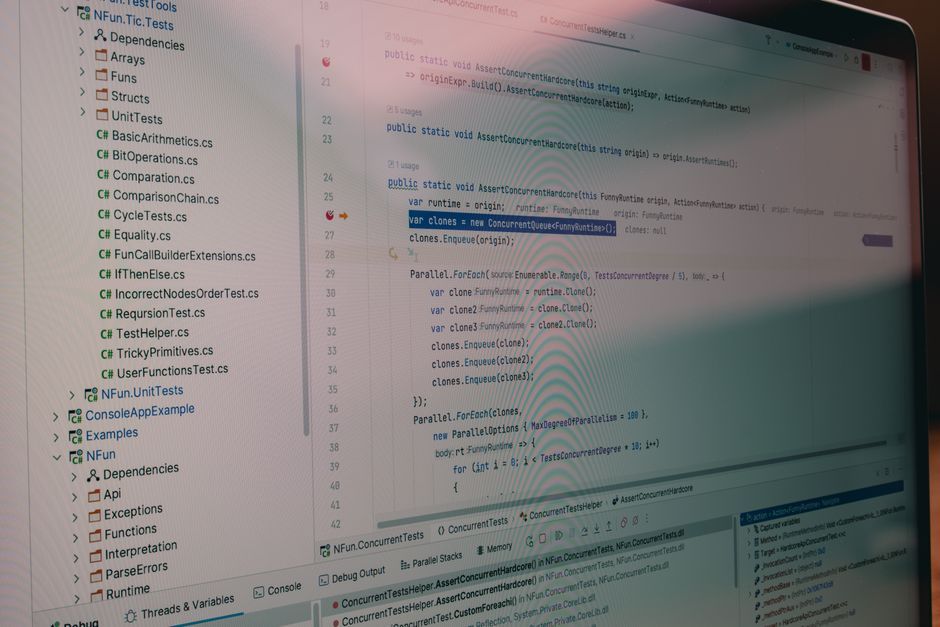
Stock photo for illustration only, not from the actual event
- An evaluation set (Eval Set) is more valuable than the prompt you write
- Changing models or systems can break previous behavior, and the test suite is the only thing that can verify it
- A good test suite must be measured by desired properties, not exact string matching
A classic software development problem is launching a system with only five initial test examples, which are demo examples that already work. However, two weeks later when the system goes live in production, numerous failures arise that this small group of tests failed to detect. Ad-hoc prompt fixing makes the demo pass again, but you never truly know if the problem was completely resolved or just patched temporarily.
A key lesson states that readiness criteria for production must be defined before you start building, and this test suite is precisely the measurement tool holding higher value than the prompt it is scoring.
From the perspective of current AI development, relying solely on prompts is often insufficient for enterprise-level applications because large language models are complex and can produce unpredictable outputs. Having an Eval Set acts as a safeguard against business damage, allowing the development team to accurately perform regression testing of the system every time code is updated or the model provider is changed.
Artificial intelligence models change constantly. You may need to change models, write new system prompts, add tools, or switch providers to reduce costs. These changes can break previous behaviors that used to work without you realizing it. The only thing that will tell you whether the system has regressed is the test suite, because it records the meaning of functionality independently of how it was built. Competitors can copy your prompt within a few hours, but they cannot replicate years of accumulated failure history.
Most test suites are weak because they are created from imagination at the beginning, which is when you know the least about how the agent will fail. A better approach is to invert your thinking. Since agents are non-deterministic systems, rigid tests that force exact text matching will fail and eventually cause you to abandon them.
An open test suite structure allows you to check true properties, such as whether the system rejects unsafe requests, invokes tools according to conditions, stays within a given budget, or avoids inventing its own policies. A neglected test suite is worse than having none at all, because it wastes your attention and provides a false sense of security.

If this sounds like curating a good test dataset, that is precisely what it is. A test suite is test data for decision making, and the high-cost part is deciding what a good example case should look like. Once you invest that thought just once and store it, every future model change will yield returns back to you.
Source: Dev.to
Found something wrong in this article? Report an issue with this article
Comments
Leave a Comment