

Erik Kruug captures land and water living in the Netherlands
Photographer Erik Kruug shares aerial views of the Loosdrecht Lakes in the Netherlands, showcasing a lifestyle intertwined with land and water.

Stock photo for illustration only, not from the actual event
- Erik Kruug photographs aerial views of the Loosdrecht Lakes in the Netherlands
- The area was formed through centuries of peat extraction for fuel
- Homes, gardens, and docks extend directly into the surrounding waterways
- Parts of the region are protected as part of the Natura 2000 conservation area
Erik Kruug’s aerial photographs of the Loosdrecht Lakes in the Netherlands reveal a way of living where land and water are deeply integrated. Houses sit on narrow strips of land between canals and lakes, complete with gardens, decks, boats, and small pathways extending directly into the water. From above, the landscape resembles green brushstrokes floating on a dark surface, with each stroke containing a home.
Located between Amsterdam and Utrecht, the Loosdrecht Lakes were originally low-lying peat landscapes unsuitable for traditional agriculture. Beginning in the 16th century, peat extraction for fuel created water-filled pits between remaining strips of land. Over time, these peat fragments evolved into the islands and narrow banks that define the region today.
The evolution of this watery settlement highlights human adaptability to a landscape shaped by historical industrial use. Early peat cutting unintentionally forged a unique ecological and domestic framework, blending modern habitation with waterways that now require careful balancing between recreation and environmental conservation.
Living in this geography requires unique adaptation. A garden might terminate at a small jetty rather than a street, and a boat serves as a practical alternative to a car. Decks function as living rooms for dining, swimming, or observing the water. Although many homes are modest timber structures, their connection to the surrounding landscape grants them a distinct presence.
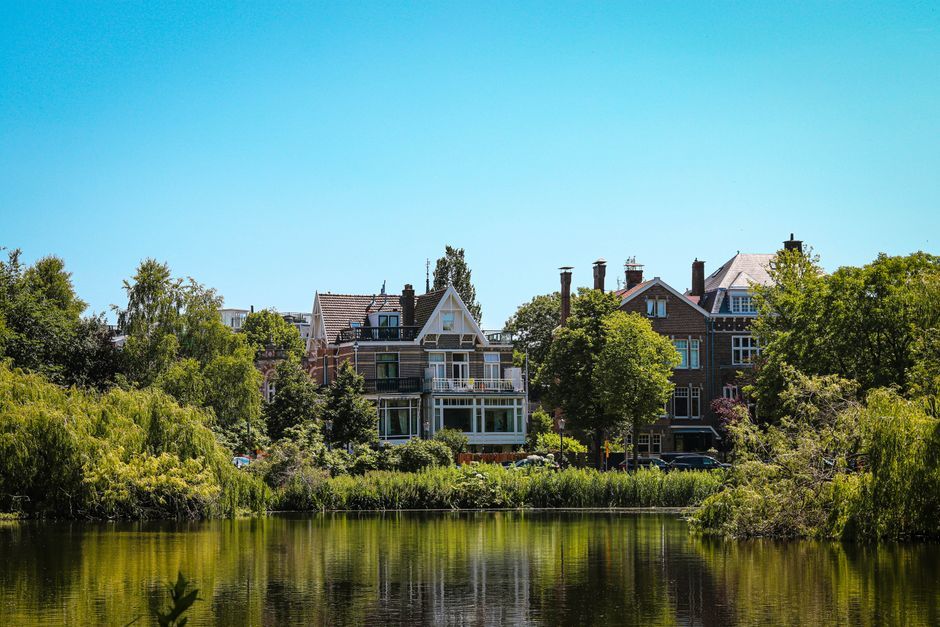
Stock photo for illustration only, not from the actual event
From an aerial perspective, the houses integrate into a larger pattern defined by strips of reeds, trees, and winding waterways. Some dwellings are completely surrounded by water, accessed only by narrow paths or boats. These scenes offer an ordinary, grounded charm free of speculative futuristic structures, showing residents adapting to an inherited landscape.
- Houses occupy remaining strips of land between waterways
- Boats function as part of everyday local infrastructure
- Domestic spaces extend directly toward the water
- The region combines residential use with protected wetland habitats
The landscape is more complex than its picturesque appearance suggests. While the lakes support recreation and water sports, significant portions are now protected for ecological value. The Eastern Vecht Lakes form part of a Natura 2000 conservation area, where efforts focus on preventing erosion and improving aquatic habitats despite decades of agricultural and human impact on water quality.
Source: designboom
Found something wrong in this article? Report an issue with this article
Comments
Leave a Comment