

Unpacking Matcha Prices: Why A Cup Costs 50 Baht Versus 200 Baht
Exploring the differences between budget and premium matcha, from plant grades to stone-milling processes.
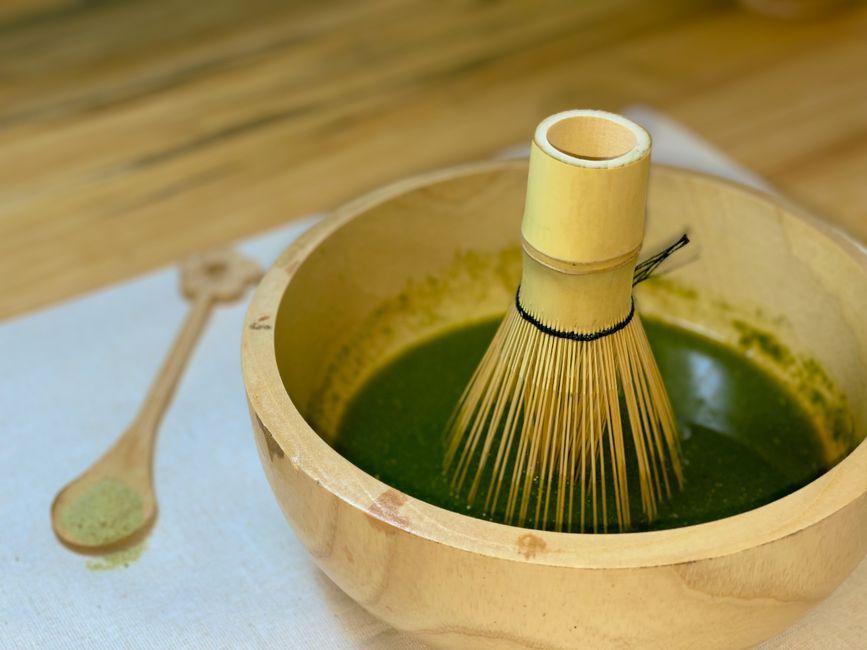
Stock photo for illustration only, not from the actual event
- Matcha prices vary by nearly four times between budget and premium cups.
- 200 Baht matcha uses ceremonial grade harvested in the first round.
- 50 Baht matcha relies on culinary grade or blended powder.
- Stone milling preserves nutrients and delicate aromas effectively.
During an afternoon craving for refreshment, matcha has become a go-to choice for office workers and health enthusiasts alike. Yet stepping into a beverage shop often brings up a curious question: why do some places sell a cup for 50 Baht while others price it at 200 Baht and above? With a nearly fourfold price gap, what are consumers actually paying for?
Gathering insights into production processes and green tea grading reveals that price variations stem from far more than just brand names or shop decor. They begin right at the leaf type, growing region, and processing methods.
The core factor driving this distinct price gap is the grade of the matcha, categorized primarily as follows:
- Matcha at 200 Baht+ (Ceremonial Grade): Utilizes young tea leaves from the first harvest of the year, a period when the leaves accumulate peak nutrients, chlorophyll, and L-Theanine amino acids. These leaves undergo strict shading before harvesting to minimize bruising and grassy notes, yielding a bright green powder with a mellow, umami-rich flavor and minimal bitterness.
- Matcha at 50 Baht (Culinary Grade & Blends): Typically uses tea leaves from the second or third harvest, or older mature leaves. The resulting powder features a yellowish-green or deep green hue with a pronounced bitter astringency. Some shops opt for blended matcha containing non-dairy creamer, sugar, or starch to lower costs and ease preparation.
To easily visualize these differences, a direct comparison outlines the contrast:
- Comparison Topic: 50 Baht Matcha VS 200 Baht Matcha
- Leaf Grade: Later harvests VS First harvest
- Powder Color: Yellowish-green or dull dark green VS Bright, vivid green; higher freshness means higher quality
- Taste Profile: Distinctly bitter and astringent, reliant on sweetness/milk VS Mellow umami with natural sweetness
- Milling Process: Industrial machinery with high heat VS Slow-turning stone grinder preserving nutrients and aroma
- Cup Ingredients: Often blended with non-dairy creamer, sugar, or heavy dairy milk VS Brewed with hot water or quality fresh milk without heavy sweetening
- Suitability: Focused on refreshing, economical, everyday value VS Focused on mindful sipping, authentic tea flavor, and health
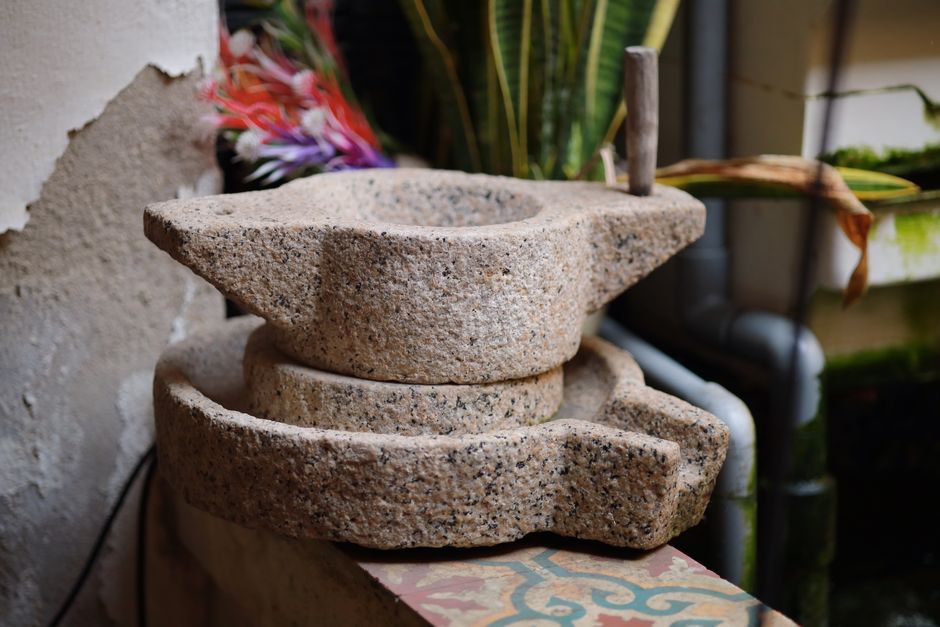
Stock photo for illustration only, not from the actual event
Another major factor inflating the price of ceremonial grade matcha is the grinding procedure. High-quality matcha requires stone grinders operating inside temperature-controlled rooms, rotating slowly to avoid heat buildup that destroys nutrients and aromatic compounds. A single stone grinder can process only 30 to 40 grams of matcha powder per hour, contrasting sharply with industrial machinery that yields massive quantities rapidly.
Understanding these matcha grades highlights the intricate labor behind the booming green tea market. True value extends beyond raw ingredients to meticulous methods that protect nutritional compounds like relaxing L-Theanine, showing why traditional production demands far greater time and resources.
Value isn't solely defined by the lowest price tag, but rather by the intended purpose of your drink.
- Choose the 50 Baht cup if: You want a cold green tea beverage for instant refreshment and thirst relief without prioritizing umami profiles, seeking maximum daily economy for your wallet.
- Choose the 200 Baht cup if: You are a true matcha lover wanting maximum antioxidant intake, preferring smooth, mindful sipping with minimal added sugar or looking to unwind via natural L-Theanine.
Comprehending these pricing differences allows you to choose with confidence, ensuring every coin spent aligns precisely with your personal preferences.
Source: Thairath Lifestyle
Found something wrong in this article? Report an issue with this article
Comments
Leave a Comment