

5 Asia-Pacific Airlines Face Fuel Shock with Mixed Results
Analyzing Q2 earnings for five major Asia-Pacific airlines amid strong travel demand and a fuel price surge driven by the Iran conflict.
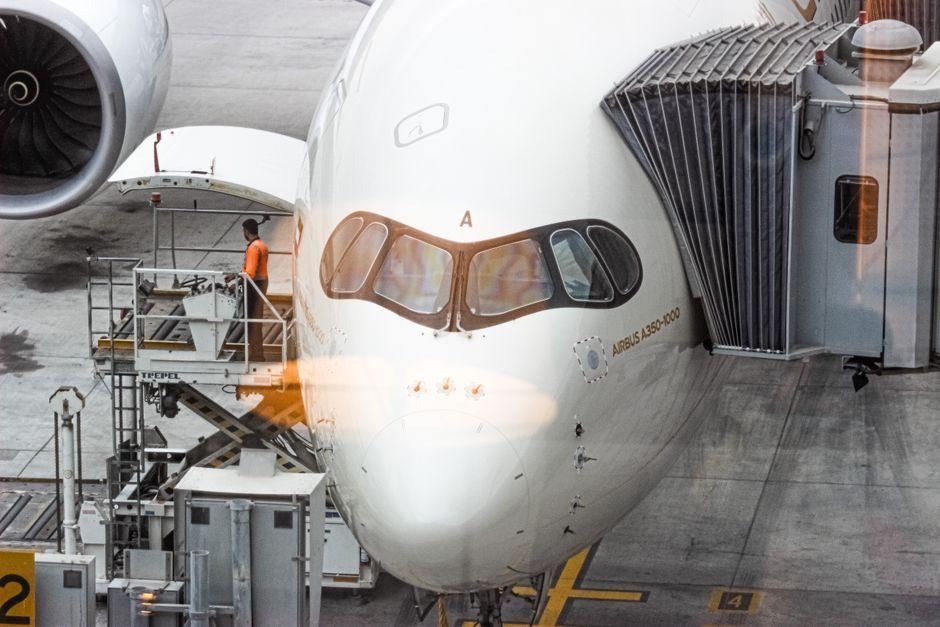
Stock photo for illustration only, not from the actual event
- Strong travel demand cushioned major Asia-Pacific carriers in Q2
- The Iran war starting February 28 closed airspace and diverted traffic
- Jet fuel prices surged beyond what airlines had budgeted for the year
- Five of the largest regional carriers have now reported their earnings
Airlines across the Asia-Pacific region entered the second quarter facing two powerful forces pulling in opposite directions, exposing just how narrow the margin for error is when operational costs outpace revenue growth, even as strong demand buffered many of the region's largest carriers.
The Iran war, which began on February 28, resulted in the closure of critical Gulf airspace and redistributed global connecting traffic toward alternative aviation hubs that normally compete directly with Dubai, Doha, and Abu Dhabi.

Stock photo for illustration only, not from the actual event
This ongoing conflict handed air carriers stretching from Seoul to Singapore an influx of passengers they had never planned for, but it simultaneously drove jet fuel prices up to levels that no airline had budgeted for heading into the year.
The convergence of airspace closures and soaring fuel costs highlights the delicate balance of airline economics. Even during periods of record-shattering top-line revenue growth, unexpected spikes in variable costs like fuel can rapidly squeeze operating margins for carriers lacking robust hedging strategies.
Five of the largest Asia-Pacific carriers have now officially reported their financial results for the quarter. Revenue growth remained robust across all of them, in certain cases marking their strongest figures on record, driven by four primary underlying factors.
Korean Air serves as a prime illustration of this dynamic, demonstrating the complex reality of navigating both exceptional operational demand and severe cost pressures within the same reporting period.
Source: Skift
Found something wrong in this article? Report an issue with this article
Comments
Leave a Comment