

Healthy on a Budget: Affordable Thai Ingredients
Discover 7 budget-friendly healthy ingredients in Thailand, along with the 2:1:1 plate method and meal planning tips for everyday nutrition.
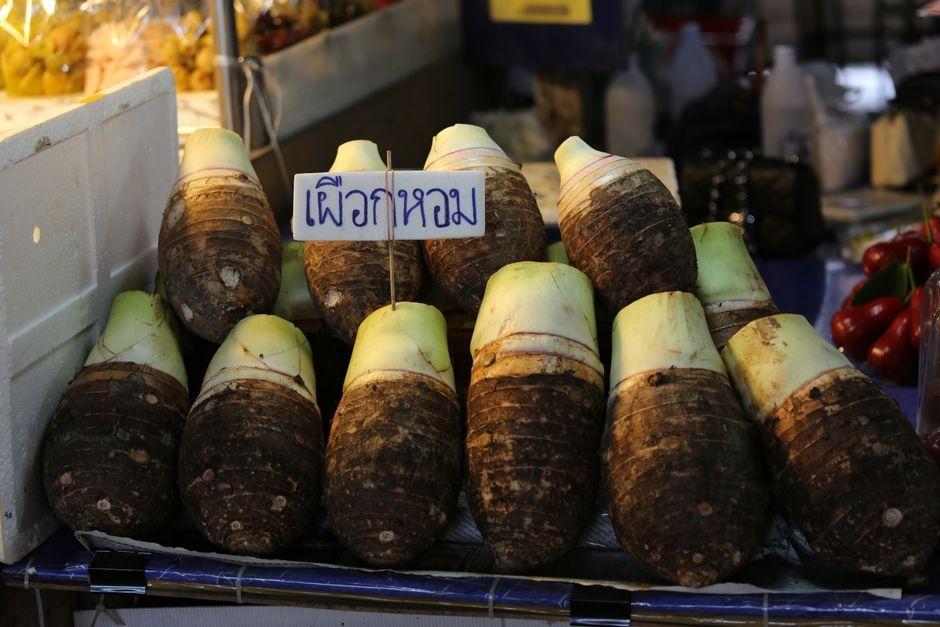
Stock photo for illustration only, not from the actual event
- Healthy eating focuses on freshness and nutrition over high prices
- Eggs, tofu, and chicken breast offer affordable protein sources
- Use the 2:1:1 plate method to portion vegetables, carbs, and protein
- Meal planning helps reduce grocery costs and food waste
The essence of healthy eating relies neither on high prices nor brand names, but rather on freshness, minimal processing, and appropriate nutritional proportions for long-term physical well-being.
In Thailand, various local ingredients offer nutritional values comparable to expensive imported superfoods. By choosing seasonal produce and cooking with reduced oil, sodium, and sugar, everyday meals easily transform into premium healthy choices.

Stock photo for illustration only, not from the actual event
Shopping at local fresh markets or nearby supermarkets allows consumers to fill their baskets with quality, wallet-friendly ingredients, including the following recommended items:
- Eggs: High in protein, choline, and vitamin B12 at a low cost per piece
- Tofu: Plant-based protein, calcium, and isoflavones that are easy to digest
- Chicken Breast: High protein and low fat, ideal for weight control and muscle building
- Seasonal Green Vegetables: Such as water spinach, ivy gourd, and kale at affordable prices
- Pumpkin and Sweet Potatoes: Complex carbohydrates and vitamin A with a lower glycemic index than white rice
- Canned Fish: Packed in water or brine, providing protein, omega-3, and calcium with a long shelf life
- Thai Beans and Grains: Mung beans, red beans, and black beans that help lower cholesterol
Choosing seasonal ingredients not only reduces household expenses but also ensures natural freshness while minimizing the use of out-of-season growth chemicals, aligning with sustainable dietary principles outlined by the Nutrition Division.
Beyond ingredient selection, food management techniques play a crucial role in maintaining a healthy lifestyle through practical daily applications:
- The 2:1:1 Formula: Divide a plate into two parts vegetables, one part carbohydrates, and one part protein without needing food scales
- Cooking Adjustments: Avoid deep frying, opting instead for boiling, steaming, baking, or light stir-frying with reduced seasonings
- Meal Prep: Planning menus in advance prevents redundant grocery purchases and minimizes food waste
Source: Thairath Lifestyle
Found something wrong in this article? Report an issue with this article
Comments
Leave a Comment