

Amphibious and floating homes rising with floodwaters
Exploring six amphibious and floating housing projects across Vietnam, Ecuador, the Netherlands, and England designed to adapt to rising floods.
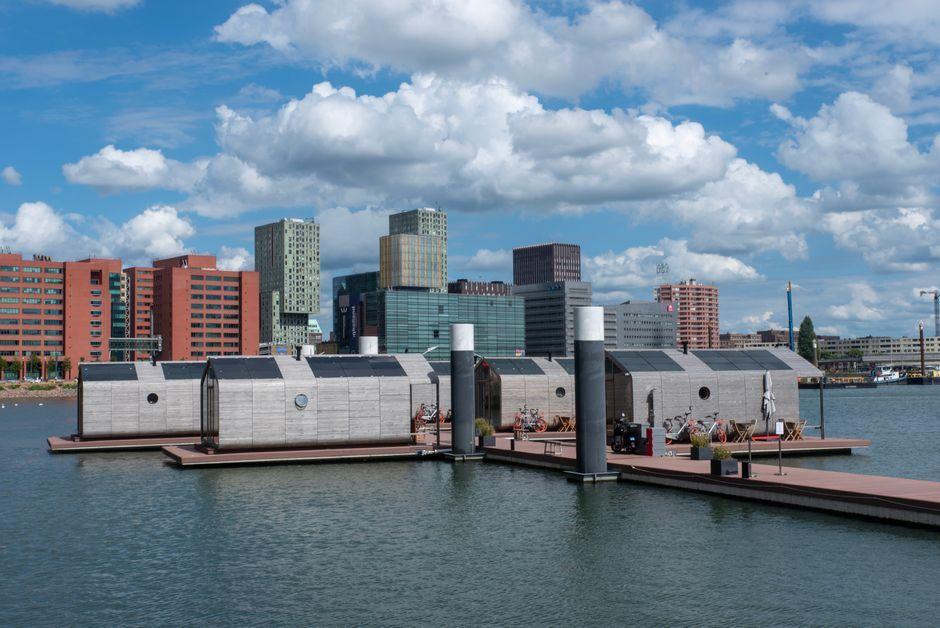
Stock photo for illustration only, not from the actual event
- Amphibious homes rest on ordinary land and rise when floodwaters arrive.
- Baca Architects' Formosa project in England can rise over 2.5 meters.
- H&P Architects' Floating Bamboo House in Vietnam uses plastic drums and bamboo.
- The Las Balsas floating homes in Ecuador restore traditional river communities.
Most traditional houses rely on the assumption that the ground will remain fixed in place. A solid foundation locks a building to a specific site, organizing everything around that single point. However, in flood-prone regions, rising water turns that fixed foundation into a major vulnerability as it reaches walls and gardens.
Across Vietnam, Ecuador, the Netherlands, and the River Thames, residential architecture is beginning from a different premise. Amphibious houses sit on standard land during dry conditions and rise during floods, while floating homes rest permanently on buoyant foundations. These six highlighted projects explore how homes adapt when stable ground is no longer guaranteed.
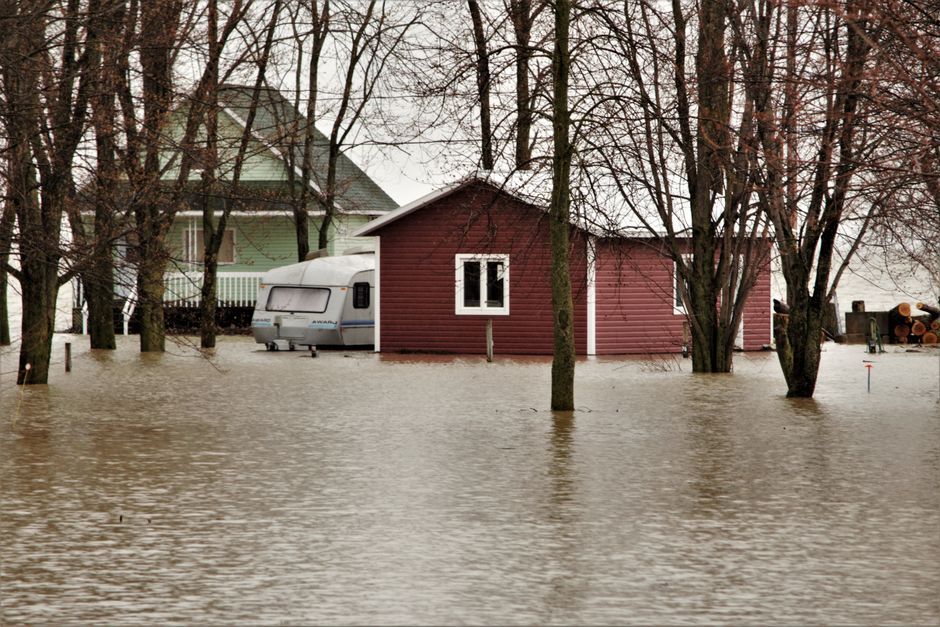
Stock photo for illustration only, not from the actual event
Baca Architects' Formosa along the Thames in Buckinghamshire measures 225 square meters and rests inside a wet dock. During dry weather, it behaves like a conventional building, but when floodwaters fill the dock, a concrete base provides buoyancy while four vertical guideposts keep the structure stable. Flexible service pipes allow electricity and water connections to move upward seamlessly.
In Vietnam, H&P Architects showcases buoyancy through their Floating Bamboo House prototypes. Built using solid-core bamboo poles and reused plastic drums beneath the floor, the first prototype measures 36 square meters and serves as a housing model for river-based communities connected to the Mekong Delta.
"Living on water can look futuristic in one context and deeply established in another."
Natura Futura
Meanwhile, Natura Futura worked with residents along Ecuador's Babahoyo River to rehabilitate the Las Balsas project, where roughly 25 floating homes remain today. The initiative connects houses to floodable pathways and integrates dry sanitation systems. MAST also proposed Spoorweghaven in Rotterdam, featuring over 100 prefabricated timber apartments on floating bases.
The development of amphibious and floating architecture highlights how modern engineering is adapting to global climate change. Rising sea levels and severe weather events require structural innovation that goes beyond conventional foundations. Flexible service connections and lightweight materials are becoming essential tools for protecting waterfront communities worldwide.
Source: designboom
Found something wrong in this article? Report an issue with this article
Comments
Leave a Comment