

Lisbon to Bali: How Digital Nomads Transform Cities
Exploring the impact of digital nomads in Lisbon, Mexico City, Athens, and Bali on property values and local communities.
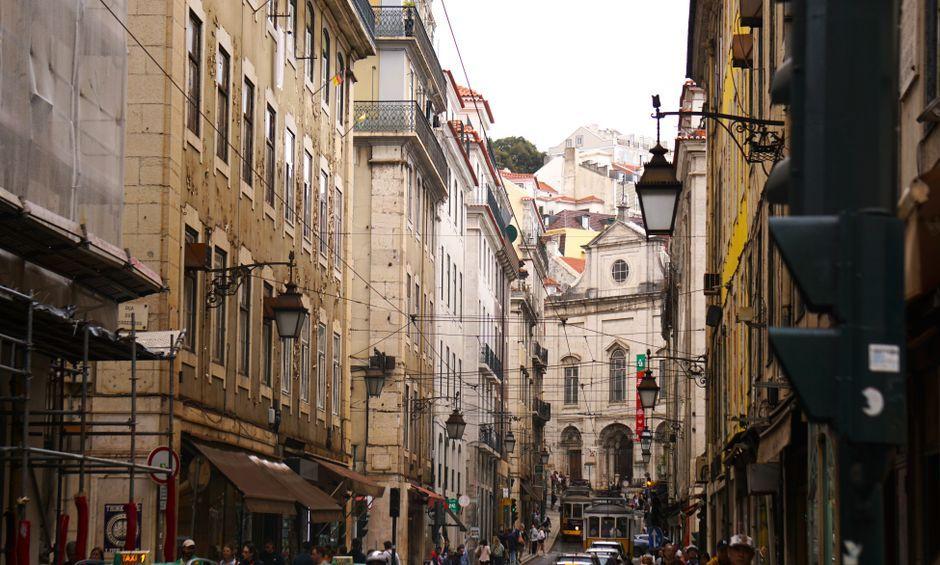
Stock photo for illustration only, not from the actual event
- The influx of digital nomads drives local economic investment while inflating housing costs.
- Historic buildings and apartments undergo major overhauls to suit short-term renters.
- Traditional neighborhood shops are increasingly replaced by international cafes and workspaces.
- The concept of AirSpace creates a homogenized global aesthetic across different cities.
Across Lisbon, Mexico City, Athens, and Bali, the surge of location-independent work is fundamentally altering urban architecture, interior renovations, ground-floor retail, and local housing economies. While the arrival of high-earning, globally mobile professionals injects fresh capital into urban centers, it simultaneously drives property values far beyond local wage levels, accelerates short-term rental conversions, and reshapes living spaces around residents who often stay for only a few months.
This transformation is most visible where foreign purchasing power intersects with lower domestic incomes. Long-term apartments morph into short-term rentals, family residences divide into compact studios, historic exteriors mask completely restructured interiors, and neighborhood storefronts give way to businesses tailored entirely to international visitors.
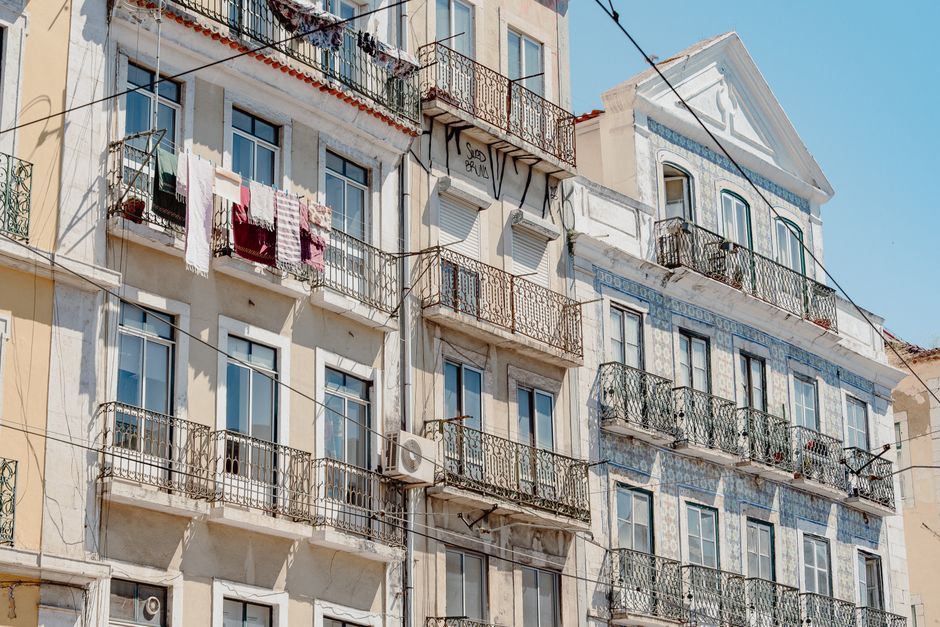
Stock photo for illustration only, not from the actual event
Lisbon provides a prime example of how state policies—such as the Golden Visa, Non-Habitual Resident regimes, and the D8 digital nomad visa—have institutionalized international residency as an economic strategy. The consequences are starkly visible at the residential building scale, where historic properties are adapted for high-value tenants through a process known as facadism, retaining old facades while gutting interiors for open-plan and contemporary living units.
This global phenomenon highlights a critical tension in modern urban planning regarding gentrification and affordability. As capital flows freely across international borders, municipal policymakers face the complex task of balancing economic revitalization fueled by foreign investment with the preservation of housing access for long-term local residents whose wages remain tied to the domestic economy.
Meanwhile, in Mexico City neighborhoods like Roma Norte and Condesa, remote workers have fueled massive demand for furnished short-term rentals. Writer Kyle Chayka coined the term AirSpace to describe a uniform global geography of cafes, Airbnbs, and workspaces sharing identical visual cues—exposed brick, polished concrete, pale wood, and industrial lighting. While this familiarity makes relocating seamless for nomads, it progressively erodes the distinct local character of each host city.
Source: designboom
Found something wrong in this article? Report an issue with this article
Comments
Leave a Comment