

OpenAI pushes ChatGPT into patient health records
Logged-in users aged 18 and older can now connect Apple Health and medical records directly into any ChatGPT conversation.

Stock photo for illustration only, not from the actual event
- OpenAI rolls out a Health feature in ChatGPT for users aged 18 and older on web and iOS
- Connects with Apple Health, US hospital systems, One Medical, or Function Health
- Synced data flows seamlessly into any conversation like meal planning or symptom queries
- Powered by GPT-5.5 Instant and GPT-5.6 Sol, tested and evaluated alongside hundreds of physicians
OpenAI is deploying a Health feature inside ChatGPT, giving users the option to connect Apple Health data and medical records to the chatbot. Logged-in users aged 18 and older can access it now on web and iOS, across the Free, Go, Plus, and Pro tiers.
Users link Apple Health and, where supported, records from US hospital systems, One Medical, or Function Health. Once synced, ChatGPT can pull medications, lab results, recent visits, sleep data, and activity logs into any conversation in the app, rather than confining that context to a separate section.
OpenAI ran an earlier version of this idea with a smaller test group, one that required users to open a dedicated health area to get responses grounded in their own data. The company found that more than 70 percent of health-related conversations among that group happened somewhere else entirely, in the middle of meal planning or an unrelated symptom query, not inside the dedicated space built for that purpose.
That data led to this redesign. Rather than forcing users into a specific mode to get contextual answers, ChatGPT now draws on connected Health information across any conversation, provided the user has granted permission. A person planning a dinner out might get a restaurant suggestion that accounts for a logged dietary restriction, while someone asking about weekend plans might get activity suggestions adjusted for a recent injury noted in their synced records.
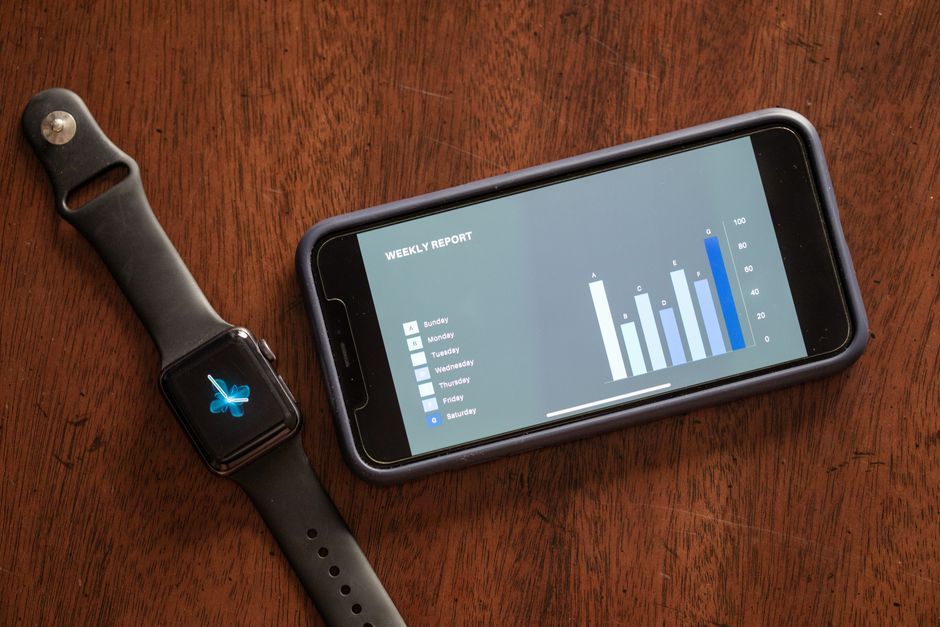
Stock photo for illustration only, not from the actual event
Integrating personal health data into generative AI represents a major shift from generalized information retrieval toward deeply personalized context analysis. However, data privacy and medical information security remain critical challenges that technology providers must prioritize to safeguard sensitive user data against potential vulnerabilities.
The Health tab in the sidebar still exists, but its role has shifted to being a management hub: connecting accounts, reviewing synced data and trends, browsing suggested prompts, and returning to past health-related chats. OpenAI published numerous accounts from its early access group, and the details are worth weighing against the company’s own framing of the tool as support rather than diagnosis.
“The most useful part has been turning scattered medical history into something I can actually understand and explain.”
Blake, technical program manager
Blake, a technical program manager, noted that instead of just seeing disconnected diagnoses, imaging results, and surgery notes, he could understand the bigger pattern and use better language to advocate for himself with providers and trainers. Meanwhile, Shannon, a nurse, described finding an unexpected chart entry through the tool, highlighting how it helped identify something she could appropriately follow up on with healthcare providers.
OpenAI attributes the feature’s viability partly to newer models: GPT 5.5 Instant for Free users and GPT 5.6 Sol for paid tiers. GPT 5.6 Sol is described as the company’s strongest health model so far, built for reasoning across multiple data points and validated against rigorous internal evaluations like HealthBench Professional alongside hundreds of physicians.
Source: AI News
Found something wrong in this article? Report an issue with this article
Comments
Leave a Comment