

Evergrande Founder Hui Ka Yan Sentenced to Life in Prison
Hui Ka Yan, founder of China's collapsed Evergrande, has been sentenced to life in prison and fined alongside his former companies totaling 15.82bn yuan.
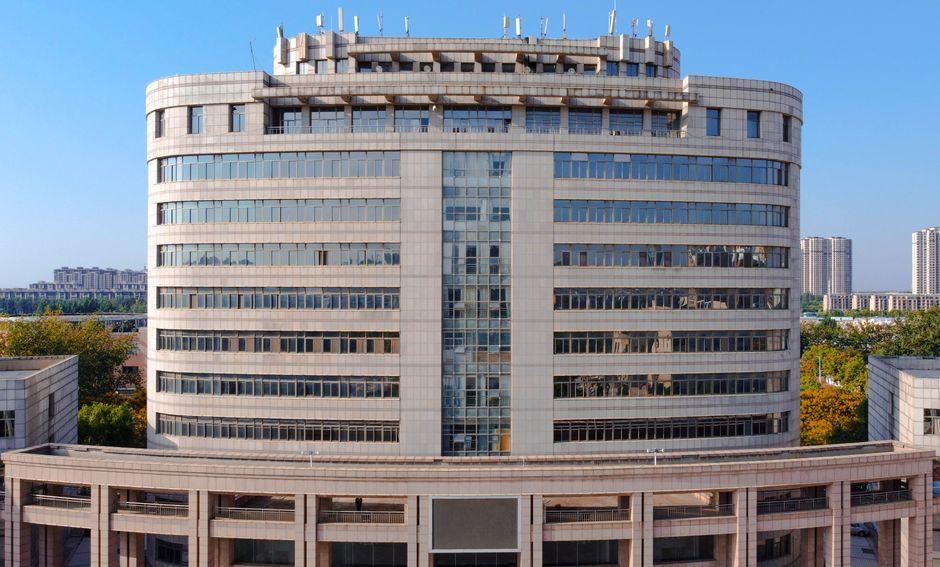
Stock photo for illustration only, not from the actual event
- Evergrande founder Hui Ka Yan has been sentenced to life in prison by a Chinese court and had his assets confiscated.
- His former companies were fined a combined 15.82bn yuan for multiple crimes including falsifying records and concealing debt.
- Family members and other executives received prison sentences ranging from 22 months to 18 years.
- The firm's collapse triggered a severe downturn in China's property market and weighed heavily on the broader economy.
The founder of Evergrande, the property giant at the center of China's housing market slump, has been sentenced to life in prison and had all of his personal property confiscated by a Shenzhen court. Hui Ka Yan had pleaded guilty back in April to several charges, which included the embezzlement of corporate assets and corporate bribery.
In addition to Hui's life sentence, the Shenzhen Intermediate People's Court also handed down a total fine of 15.82 billion yuan (£1.73 billion; $2.35 billion) against his former companies for multiple offenses, which included falsifying records and concealing debt. The court stated that Hui and his businesses had seriously disrupted the Chinese property market, leading to significant economic losses.
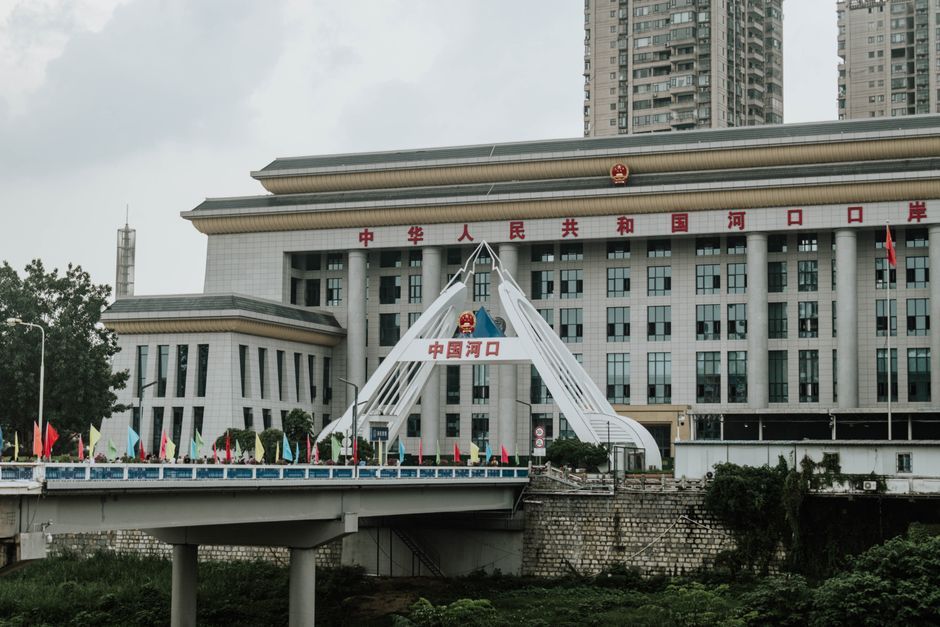
Stock photo for illustration only, not from the actual event
Other executives associated with Evergrande, including Hui's two sons Xu Zhijian and Xu Tenghe, were also sentenced to prison terms ranging from 22 months to 18 years, according to state media reports. Once ranked as Asia's richest man, Hui watched his wealth and influence evaporate as his business empire unraveled following years of aggressive expansion funded by massive borrowing since he established Evergrande in 1996.
The firm suffered a critical blow when Beijing introduced restrictive debt-control measures in the property sector back in 2020. Struggling to service its mounting interest payments, the company resorted to steep property discounts before collapsing entirely in 2021. In April, court proceedings revealed that millions of dollars in pre-sale funds collected from prospective homebuyers were diverted away from construction and channeled into new property developments, leaving hundreds of projects unfinished.
The downfall of Evergrande serves as a watershed moment highlighting the structural vulnerabilities of China's debt-fueled real estate model. At its peak, the property sector accounted for roughly a third of China's gross domestic product. Beijing's regulatory clampdown to curb financial risks ultimately exposed over-leveraged developers, creating a lingering drag on the world's second-largest economy as several other major builders faced financial distress.
Previously, in March 2024, Hui was fined $6.5 million and barred from China's capital markets for life after his company overstated its revenue by $78 billion. Evergrande's market valuation plummeted by 99% before its shares were officially removed from the Hong Kong stock exchange in August 2025 after more than a decade and a half of public trading.
Source: BBC World
Found something wrong in this article? Report an issue with this article
Comments
Leave a Comment