

UK must not bow to Iranian sabre-rattling, Wes Streeting says
Defence Secretary Wes Streeting insists the UK will not be intimidated by Iranian threats while ruling out offensive military action.
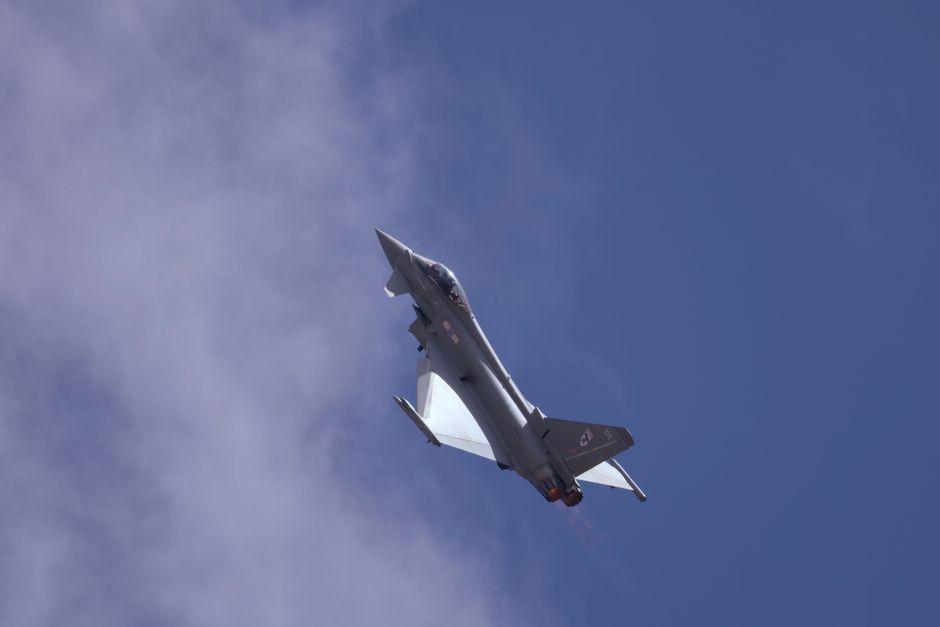
Stock photo for illustration only, not from the actual event
- Wes Streeting states the UK must not be intimidated by threatening rhetoric from Iran.
- The government reiterates it has not joined and will not join offensive US military actions.
- Britain stands ready to lead a naval mission to clear mines in the Strait of Hormuz when conditions allow.
Defence Secretary Wes Streeting has declared that the United Kingdom should refuse to be intimidated by what he termed sabre-rattling threats of attack originating from Iran. His remarks follow statements from the Iranian regime last week designating the UK as a legitimate target due to its perceived role in supporting the US and Israeli military campaign.
Elaborating on the military arrangement, Streeting noted that while the UK has permitted the United States to launch defensive operations using British bases housing American personnel and aircraft, London has firmly drawn the line against taking part in any offensive military operations directed at Iran.
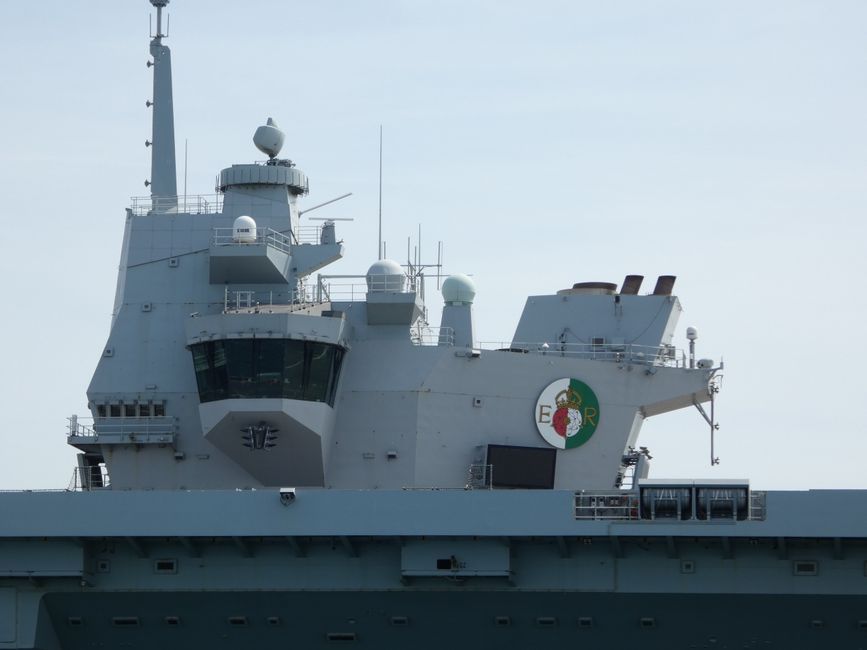
Stock photo for illustration only, not from the actual event
Looking ahead at maritime security in the region, the Defence Secretary reaffirmed the UK's preparedness to take charge of a naval mission aimed at clearing dangerous mines from the crucial Strait of Hormuz once the operational conditions become appropriate.
The Strait of Hormuz is one of the world's most critical chokepoints for global energy supplies, making the security of its shipping lanes vital for preventing spikes in global oil prices and cost-of-living pressures. Britain's willingness to secure these waters underscores the delicate balance between avoiding direct military entanglement and maintaining international trade stability.
He additionally stressed that safeguarding safe shipping corridors through the vital waterway remains imperative, noting the substantial spillover effects that the ongoing regional crisis continues to exert on energy prices and everyday household costs.
Source: BBC Politics
Found something wrong in this article? Report an issue with this article
Comments
Leave a Comment