

When the Fast Lane Becomes the Slow Lane: Road Rage and Lane Etiquette
An in-depth look at slow driving in the right lane across Thailand, turning into a trigger for road rage, accidents, and violent gunfights.
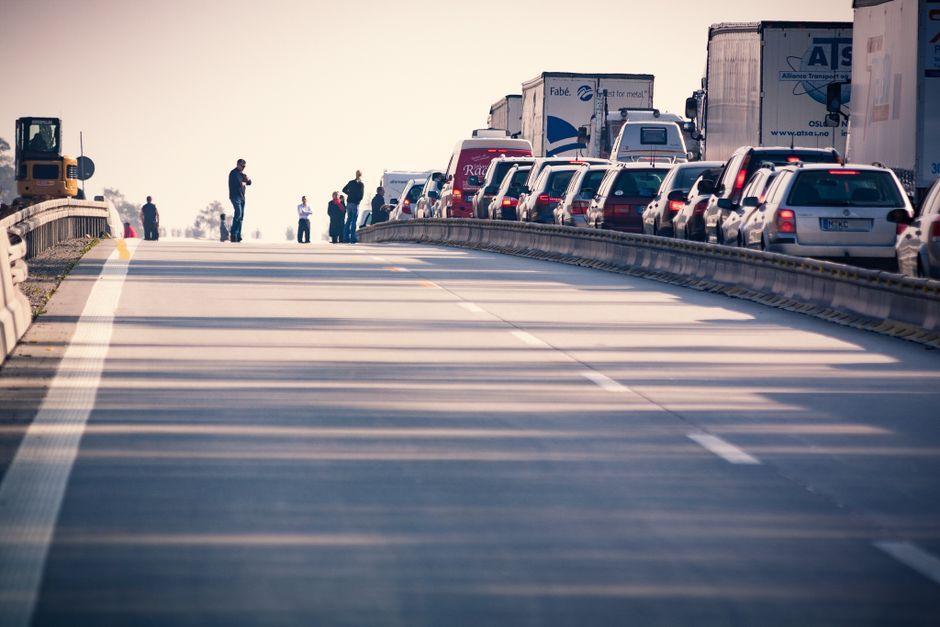
Stock photo for illustration only, not from the actual event
- Lingering in the right lane at low speeds disrupts traffic and frustrates drivers.
- Flashing high beams or honking often triggers brake-checking and aggressive retaliation.
- Conflicts escalate to armed confrontations and fatal shootings on public roads.
- Traffic laws require slower drivers to yield to faster vehicles regardless of speed.
Driving conditions on Thai roads frequently feature slower vehicles lingering in the far-right lane while faster vehicles trail behind, patiently waiting for a safe window to overtake. Impatient drivers often attempt to find a way past, but slow drivers block the entire lane. Frustrated motorists resort to flashing high beams or honking their horns. While some drivers yield, others flash their lights back as if telling trailing cars to find their own way around. This attitude where drivers refuse to move regardless of others, citing that they pay taxes and have the right to use any lane they please, turns the right lane into a slow lane by default.
Drivers maintaining low speeds in the right lane often react with anger when flashed from behind, sometimes brake-checking the vehicle following them. When requests to yield via horns and lights are ignored, hot-tempered drivers carrying firearms grow increasingly enraged. This emotional escalation leads to dangerous tailgating, forcing cars off the road, and sometimes erupting into violent armed altercations resulting in injuries and fatalities, as reported in various news stories over time.
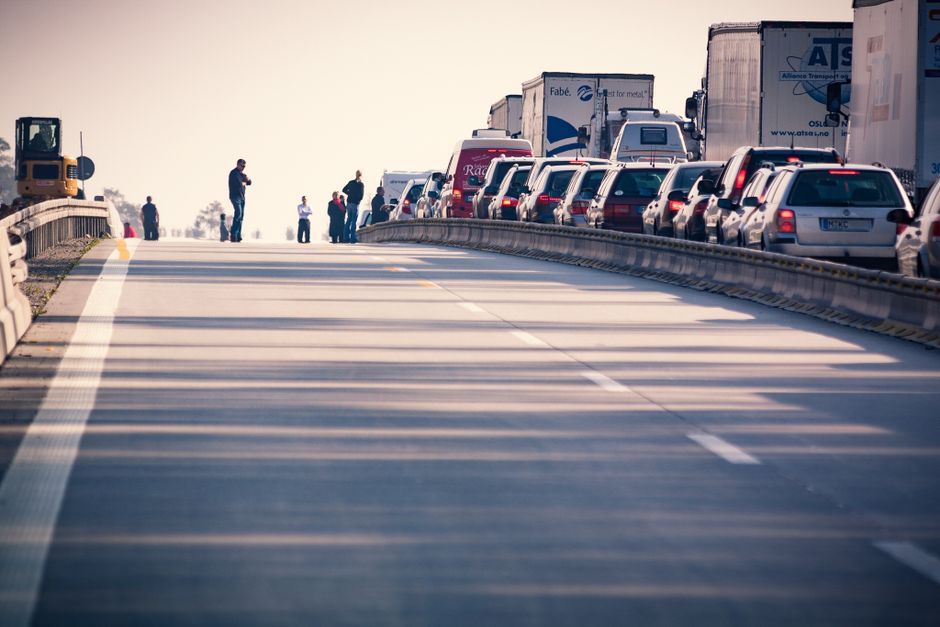
Stock photo for illustration only, not from the actual event
Government agencies such the Department of Land Transport frequently conduct safety training and teach traffic signs, yet they rarely provide specific instruction on proper lane discipline. Meanwhile, authorities primarily target speeding violations, while vehicles lingering slowly in the right lane are rarely ticketed. Traffic cameras deployed along roads are strictly designed for speed enforcement, lacking the equipment or capability to monitor lane violations.
The habit of lingering in the fast lane not only causes frustration and road rage but also severely damages overall traffic efficiency. The rightmost lane is designed for overtaking and higher speeds, and blocking it with slow vehicles creates artificial bottlenecks. Promoting lane discipline and the 'Keep Left' principle is fundamental to reducing accidents and improving long-term road safety.
According to traffic regulations, even if someone is driving at 140 kilometers per hour or faster, they are still legally required to yield to any vehicle approaching from behind at an even higher speed by moving into the left lane. Cultivating consideration for others rather than prioritizing personal convenience, such as shifting to the middle lane when slower traffic allows, prevents dangerous situations. Transitioning to appropriate lanes matching one's speed not only cuts down accidents but also keeps traffic flowing smoothly when roads are crowded. Recognizing one's speed and moving to an open left lane prevents unnecessary hazards on the highway.
Source: Thairath Business
Found something wrong in this article? Report an issue with this article
Comments
Leave a Comment