

UK July borrowing hits £1.8bn as Healey prepares Budget
UK government borrows £1.8bn in July, exceeding forecasts by £2.3bn as Chancellor John Healey prepares his first Budget ahead of 27 October.
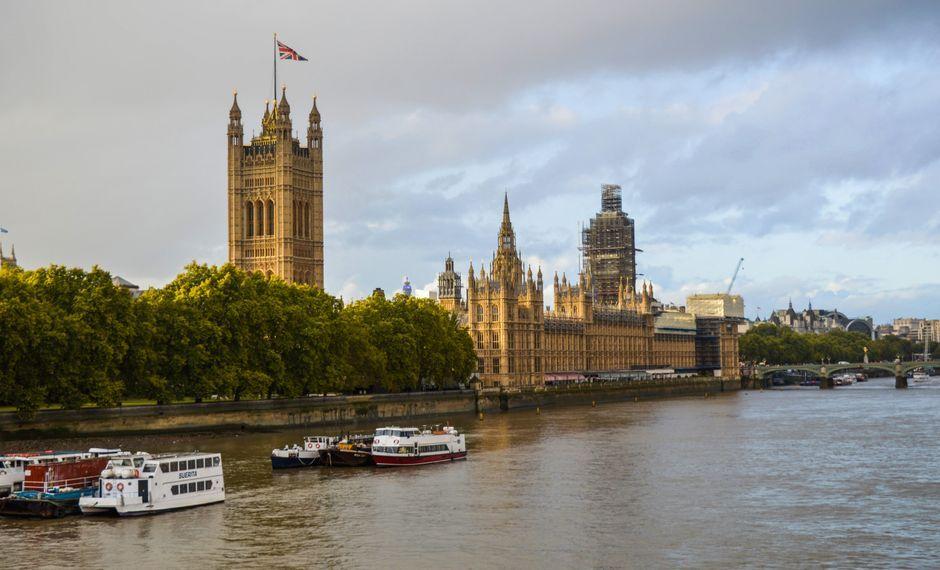
Stock photo for illustration only, not from the actual event
- UK government borrowed 1.8 billion pounds in July, missing forecasts of a 500 million pound surplus by 2.3 billion pounds.
- Total borrowing for the first four months of the fiscal year reached 56.7 billion pounds, exceeding OBR forecasts.
- Welfare spending and state pension payments surged by 2 billion pounds compared to the same period last year.
- Retail sales dropped 0.5% in July following a heatwave and a World Cup-boosted sales surge in June.
The UK government borrowed more than anticipated in July according to official figures released as Chancellor John Healey formulates his inaugural Budget. The Office for National Statistics (ONS) reported that public sector net borrowing—the gap between spending and tax receipts—stood at 1.8 billion pounds during the month.
Official forecasters had previously projected a surplus of 500 million pounds, resulting in a borrowing overshoot of 2.3 billion pounds. Economic analysts warned this gap will constrain Healey and Prime Minister Andy Burnham as they attempt to introduce measures easing household living costs, leaving minimal room to increase borrowing ahead of the 27 October Budget.

Stock photo for illustration only, not from the actual event
Healey has maintained that he will enforce strict fiscal discipline, adopting predecessor Rachel Reeves' rule to fund day-to-day spending through tax revenues by the end of the decade. Responding to the data, Healey noted that the administration is cutting the deficit faster than any G7 economy while addressing cost of living pressures. Nevertheless, experts highlighted that increased welfare spending, including benefits and state pensions, drove social payments 2 billion pounds higher than last year. Additionally, ONS figures showed July retail sales fell 0.5% from June due to extreme heat and the tapering of World Cup-related spending.
"We spend more on just the interest of our soaring debt than we do on our defence, police, and prisons combined. We simply cannot afford the price of Labour."
Mel Stride (Shadow Chancellor)
This larger-than-expected borrowing requirement underscores the difficult fiscal balancing act facing the UK government. With slowing economic growth and mandatory welfare commitments driving up expenditures, Chancellor Healey faces severe constraints in his upcoming October Budget. Failing to manage these fiscal margins risks unsettling financial markets and driving up national borrowing costs further.
Source: BBC Politics
Found something wrong in this article? Report an issue with this article
Comments
Leave a Comment