

First person gets new experimental vaccine for Ebola developed in eight weeks
A 37-year-old UK man named Ed Hunt becomes the world's first volunteer to receive an experimental Ebola vaccine.

Stock photo for illustration only, not from the actual event
- Ed Hunt, a 37-year-old UK man, is the first volunteer globally to get the experimental Ebola vaccine.
- The vaccine utilizes the same technology as the Oxford-AstraZeneca Covid-19 jab.
- Oxford scientists developed and designed this vaccine in just eight weeks.
- The Serum Institute in India has already manufactured 600,000 doses ready for deployment.
Medical history was made as Ed Hunt, a 37-year-old man from the United Kingdom, stepped forward as the world's first volunteer to receive a newly developed experimental vaccine against the Ebola virus. Hunt shared that he felt compelled to help after witnessing alarming news reports regarding the deadly Ebola outbreak unfolding in the Democratic Republic of Congo.
This novel vaccine was engineered by scientists at the University of Oxford, who accomplished the development phase in a remarkable span of just eight weeks. Their success was built upon decades of accumulated research background and the exact same technological platform used in the Oxford-AstraZeneca Covid-19 vaccine, which was administered to hundreds of millions of people worldwide during the global pandemic.
Prof Teresa Lambe, who spearheaded the Ebola vaccine research team at the University of Oxford, assured that nobody will be injected with actual Ebola during the clinical trials. The study is currently recruiting a total of 50 healthy volunteers aged between 18 and 55 years old.
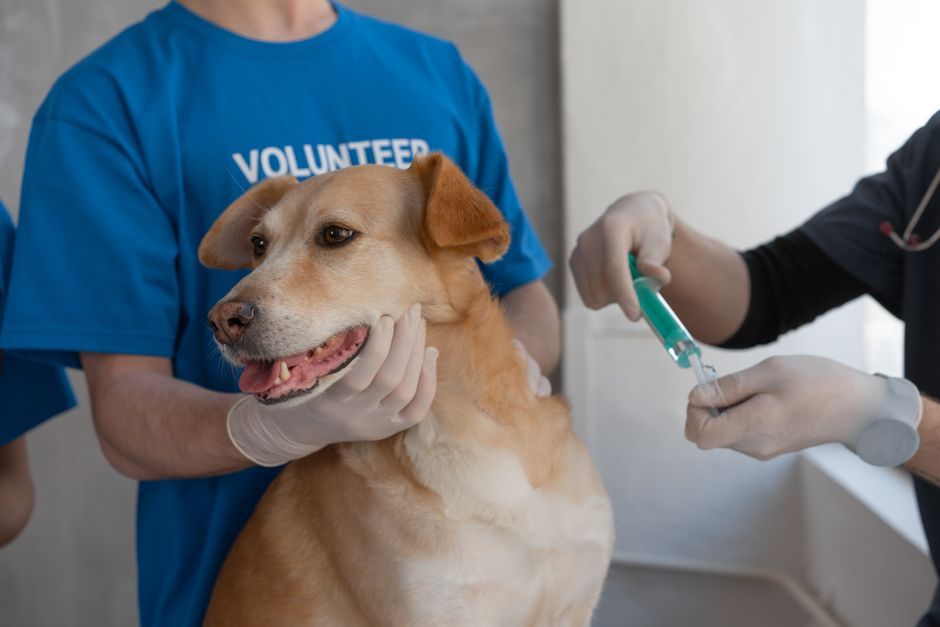
Stock photo for illustration only, not from the actual event
"We will not be giving anybody Ebola in this trial or any trial."
The current outbreak has been triggered by the Bundibugyo species of the virus. While there are four different vaccines currently in development targeting this specific strain, this Oxford candidate is the first to officially enter human trials. Although a licensed vaccine already exists for the Zaire species of Ebola, it provides no cross-protection against the Bundibugyo strain.
Developing vaccines for different strains of the Ebola virus presents unique scientific challenges because each species possesses distinct viral proteins and surface antigens. Consequently, immunity built against one strain does not protect against another. By leveraging established viral vector technologies refined during the Covid-19 pandemic, researchers can drastically accelerate prototype vaccine development for emerging pathogens compared to traditional methods that typically take years.
Looking ahead, the Oxford research team announced plans to launch a second small-scale Ebola vaccine trial soon in Uganda, followed by a larger efficacy study in the Democratic Republic of Congo. Meanwhile, the Serum Institute in India has already produced 600,000 doses of the Oxford vaccine, standing ready for distribution if the clinical trials prove successful. To date, the outbreak in DR Congo has caused more than 2,500 confirmed cases and slightly over 1,000 deaths.
Source: BBC Health
Found something wrong in this article? Report an issue with this article
Comments
Leave a Comment