

'Evidence lacking' for mental health monitoring tech
Oxford academics tell an inquiry into Essex mental health deaths that studies supporting the infrared monitoring system lack robust independent backing.
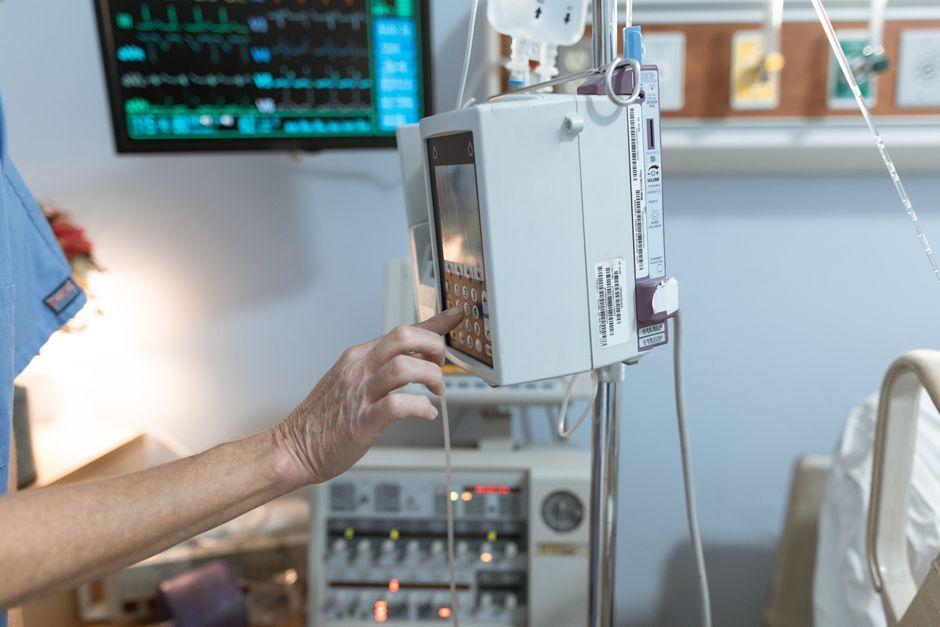
Stock photo for illustration only, not from the actual event
- The Lampard Inquiry is examining the deaths of over 2,000 mental health patients in Essex.
- Oxford researchers reviewed 45 studies used to justify Oxevision and found they lacked robust independent evidence.
- Campaign groups and bereaved families raised serious concerns over the widespread rollout without clear safety proof.
There is no strong independent evidence demonstrating that a patient monitoring system widely deployed across mental health wards actually improves patient safety, an inquiry has been told. The ongoing Lampard Inquiry is thoroughly examining the deaths of more than 2,000 mental health patients across Essex over a 24-year period.
Previously, the inquiry heard grave concerns expressed regarding the widespread implementation of Oxevision technology, which tracks patients inside their rooms using infrared sensors and cameras. The system is currently utilized by 40 percent of NHS mental health trusts and actively monitors patients' pulse and breathing rates.
LIO Health, the company running Oxevision, previously stated that technology plays a vital role in supporting safer inpatient mental health care, noting that the sector lacked medical device technology prior to their system. The company added that its impact has been significant, citing that in a single trust, the technology assisted staff in responding to 1,453 safety incidents over a four-year period.
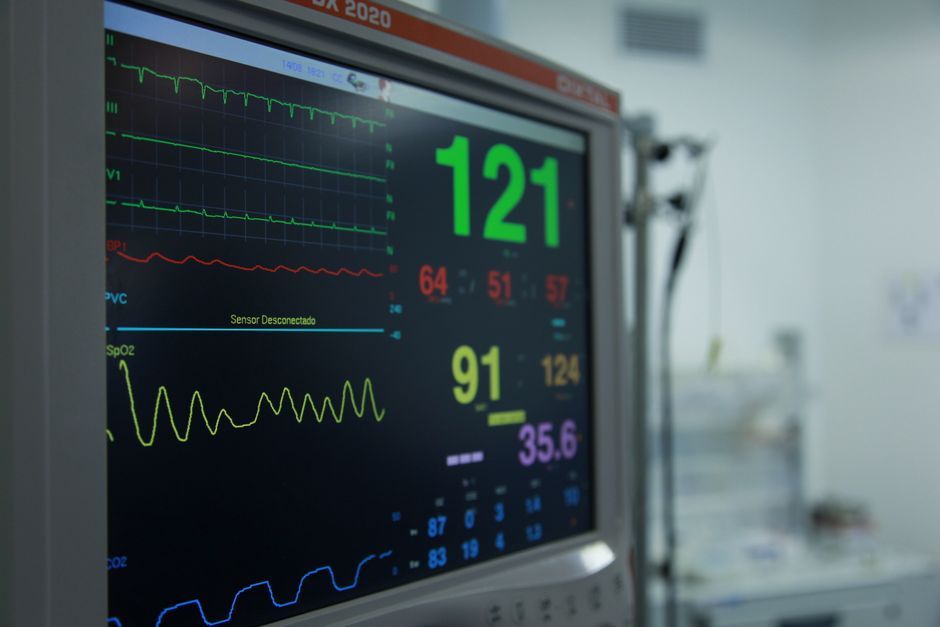
Stock photo for illustration only, not from the actual event
On Thursday, Prof Christl Donnelly and Dr Maria Christodoulou from the University of Oxford presented their findings to the inquiry. They reviewed 45 studies previously utilized to justify the nationwide NHS rollout of Oxevision and discovered that some studies involved company employees or lacked sufficient breadth.
"do not provide strong independent evidence of improved patient safety, acceptability or cost effectiveness"
Prof Christl Donnelly and Dr Maria Christodoulou
The scrutiny surrounding Oxevision highlights the complex challenges of integrating automated monitoring tools into sensitive healthcare settings like psychiatric wards. While digital health solutions aim to ease operational burdens on clinical staff, establishing rigorous, independent clinical trials remains essential to prove patient safety and therapeutic efficacy before wide-scale hospital adoption takes place.
Fiona Scolding KC, representing Oxevision, questioned the inherent difficulties of conducting randomized controlled trials within psychiatric units. Meanwhile, Nina Ali, a partner at law firm Hodge Jones & Allen representing over 120 bereaved families, stated that expert testimonies revealed a clear absence of meaningful evidence proving the technology enhances patient care. Hat Porter, spokesperson for the Stop Oxevision campaign group which has campaigned for three years to halt its NHS usage, warned that a lack of regulation allows unproven technologies to be widely rolled out. The inquiry will resume in October.
Source: BBC Health
Found something wrong in this article? Report an issue with this article
Comments
Leave a Comment